
IUP University Museum to Showcase the Art and Craft of Stage Design in Spring Exhibition and Talk
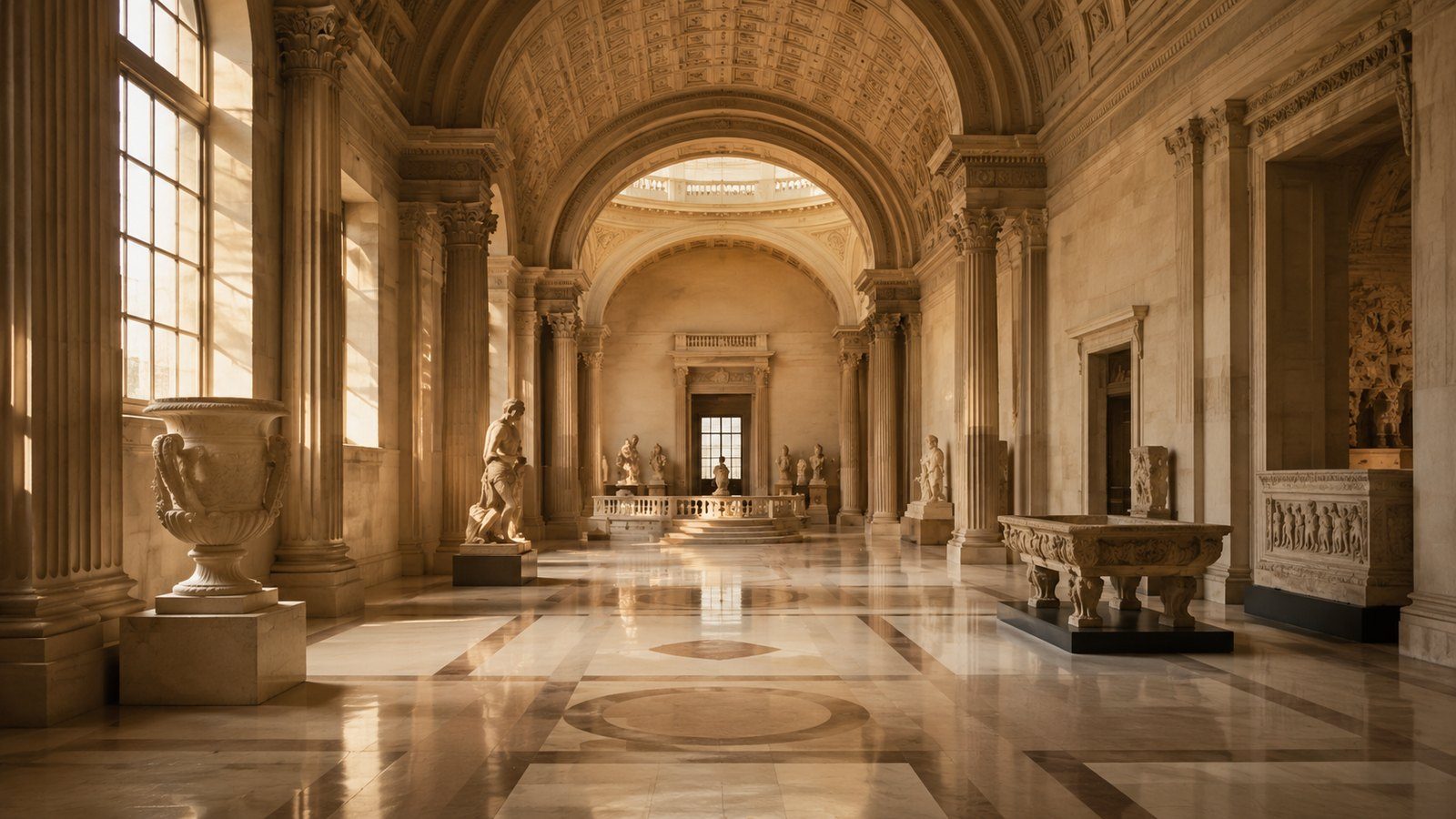
Indiana University of Pennsylvania’s University Museum is preparing to captivate visitors with an exciting new focus on stagecraft through an upcoming artist talk and exhibition set to open this spring. This unique showcase will explore the artistry and technical mastery behind theatrical production design, inviting audiences to step behind the curtain and appreciate the collaborative creativity that brings performances to life.
The exhibition promises an immersive experience, highlighting the often unsung heroes of the theater world—stage designers, prop makers, costume artists, and lighting technicians. These craftspeople combine artistic vision with practical skills to create the environments, moods, and illusions that transport audiences into the stories unfolding on stage. By centering stagecraft, the University Museum is broadening its scope beyond traditional fine art to celebrate a vital but frequently overlooked branch of creative expression.
Accompanying the exhibition, the artist talk will feature a prominent stage designer with hands-on experience in regional theaters and beyond. Attendees will gain insight into the complexities of designing for dynamic live performances, from conceptual sketches to the final installation of sets and props. The discussion aims to illuminate the delicate balance between artistic creativity and the physical limitations or demands of a live production, as well as the collaborative nature of theater arts where designers work closely with directors, actors, and technical crews.
In a world where the glamour of actors and directors often dominates public attention, this event serves as a reminder of the rich tapestry of talents that support and enhance theatrical storytelling. The University Museum’s curatorial team expressed their enthusiasm for presenting an exhibit that connects with both theater enthusiasts and the broader public, offering a fresh perspective on how artistry extends beyond the stage itself.
The decision to feature stagecraft reflects growing interest in interdisciplinary art forms and the increasing recognition of theater production as a complex, multifaceted art. Visitors can expect to see a range of artifacts including original set models, costume sketches, lighting plans, and possibly even video excerpts or photographs documenting the transformation of theater spaces. This tangible connection to the behind-the-scenes work will undoubtedly deepen appreciation for live performances, encouraging audiences to think about all the elements that converge to create memorable theatrical experiences.
IUP’s University Museum has steadily built a reputation for innovative exhibitions that engage with diverse forms of artistic expression, and this venture into stagecraft continues that trend by bridging fine art, design, and performing arts. It also aligns well with the university’s educational mission, offering students and community members alike an opportunity to engage with creative disciplines in a new way.
As preparations progress, the museum invites the public to mark their calendars for what promises to be a visually striking and intellectually stimulating exploration of theater’s hidden artistry. Whether you are a lover of the dramatic arts or simply curious about what happens “behind the scenes,” this exhibition and talk will offer a rare glimpse into the craftsmanship that shapes the magic of live performance.
In spotlighting stagecraft, IUP’s University Museum not only honors a vital art form but also enriches the cultural fabric of the community, shining a deserved light on the creators who transform imagination into reality on the theater stage.
Related museum reading
Continue with connected Global Museum Reviews pages that place this story in a wider museum context.
-
More museum news
Follow openings, acquisitions, restorations, exhibitions, and major museum updates. -
Museum reviews
Read independent reviews focused on atmosphere, exhibitions, access, and visitor value. -
Museum guide
Explore museum entries, planning details, and cultural destinations worldwide. -
News news
See related stories in the same museum news topic.
Join the discussion
Share a thoughtful museum note, correction, or visitor perspective about this article.