
Augusta Secures Land to Build New Museum Celebrating Towns Rich Historical Legacy
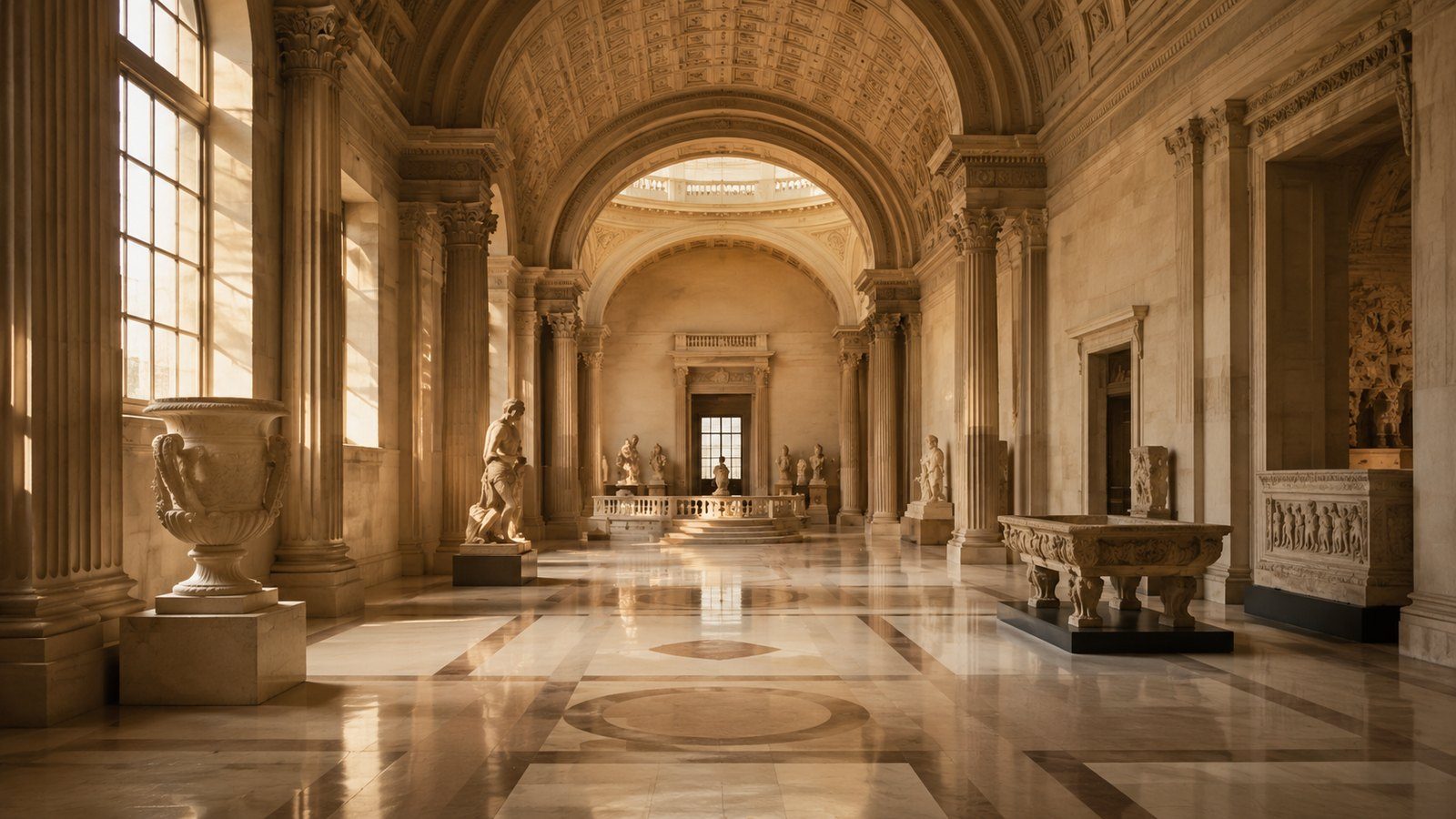
Augusta, a town rich with a tapestry of stories dating back generations, is poised to embrace a remarkable new chapter in preserving its history. Recent developments have brought exciting news for the community as land for a future museum dedicated to Augusta’s heritage has officially been secured, marking a significant milestone in the town’s cultural landscape.
For years, locals and historians alike have expressed a desire to create a dedicated space that honors Augusta’s unique historical footprint. The secured land offers more than just a physical location—it represents a tangible commitment to safeguarding the past with an eye toward fostering community pride and education for future generations. This museum promises to serve as a living repository where the stories of Augusta’s early settlers, indigenous heritage, economic development, and vibrant present-day culture can be celebrated and explored.
What makes this project especially inspiring is the broad base of support it has garnered. The initiative has mobilized a range of community members—from longtime residents recounting cherished memories, to local historians with deep knowledge of the area, and young people eager to connect with their roots. It strikes a chord that resonates beyond just nostalgia, emphasizing how the preservation of local history enriches a sense of belonging and identity.
Although exact plans for the museum’s design and scope have yet to be finalized, the acquisition of land is a critical foundation on which future possibilities stand. The site’s accessibility and setting appear well-suited to becoming a cultural hub. Community meetings and stakeholder discussions are expected to shape the vision further, inviting input on exhibition themes, educational programming, and the integration of technology so visitors can experience Augusta’s story in dynamic, engaging ways.
This undertaking also holds promise for the wider region. Museums often act as catalysts for cultural tourism and local economic development. A carefully curated institution can attract visitors and scholars interested in the historical narratives rooted in Augusta, potentially paving the way for partnerships with universities, heritage organizations, and other museums. These connections would amplify the reach of Augusta’s history far beyond its borders, sharing its distinctive contributions to the broader American Midwest story.
Among the challenges ahead will be the task of securing funding and resources to bring the museum from concept to reality. Community fundraising, government grants, and charitable contributions will surely play vital roles. Yet the enthusiasm already coursing through the town suggests that stakeholders are ready to rally behind this cause. The process will demand creativity, collaboration, and perseverance—but the reward is a vibrant institution that honors the past while inspiring the future.
For Augusta residents, the news that a dedicated museum site is now in place feels like a long-awaited dream coming to fruition. It is an affirmation that local histories matter, worth honoring and sharing in spaces designed to educate and unite. As preparations unfold, the museum will serve not only as a keeper of memories but as a beacon for community spirit and cultural continuity.
In a world where the rapid pace of change can sometimes obscure the foundations upon which towns grow, taking deliberate steps to celebrate and protect heritage feels especially precious. Augusta’s new museum promises a place where history lives and breathes—a place that future generations will visit to understand where they came from and imagine where they might go. The journey from secured land to museum doors opens a hopeful chapter for Augusta’s enduring story.
Related museum reading
Continue with connected Global Museum Reviews pages that place this story in a wider museum context.
-
More museum news
Follow openings, acquisitions, restorations, exhibitions, and major museum updates. -
Museum reviews
Read independent reviews focused on atmosphere, exhibitions, access, and visitor value. -
Museum guide
Explore museum entries, planning details, and cultural destinations worldwide. -
News news
See related stories in the same museum news topic.
Join the discussion
Share a thoughtful museum note, correction, or visitor perspective about this article.