Sursock Museum
Beirut’s Sursock Museum combines a 1912 mansion with modern and contemporary Lebanese art, creating one of the city’s most elegant and culturally resonant museums.
Best forMasterpieces, architecture, cultural history
Setting / nearbyMiddle East
Overview
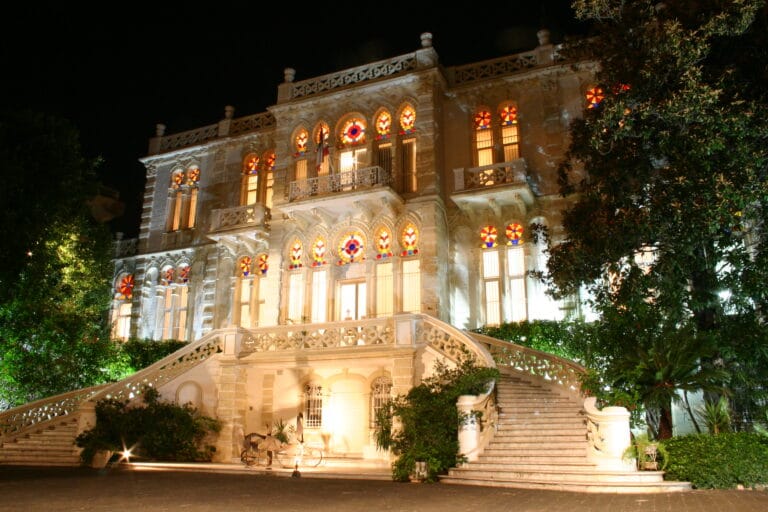
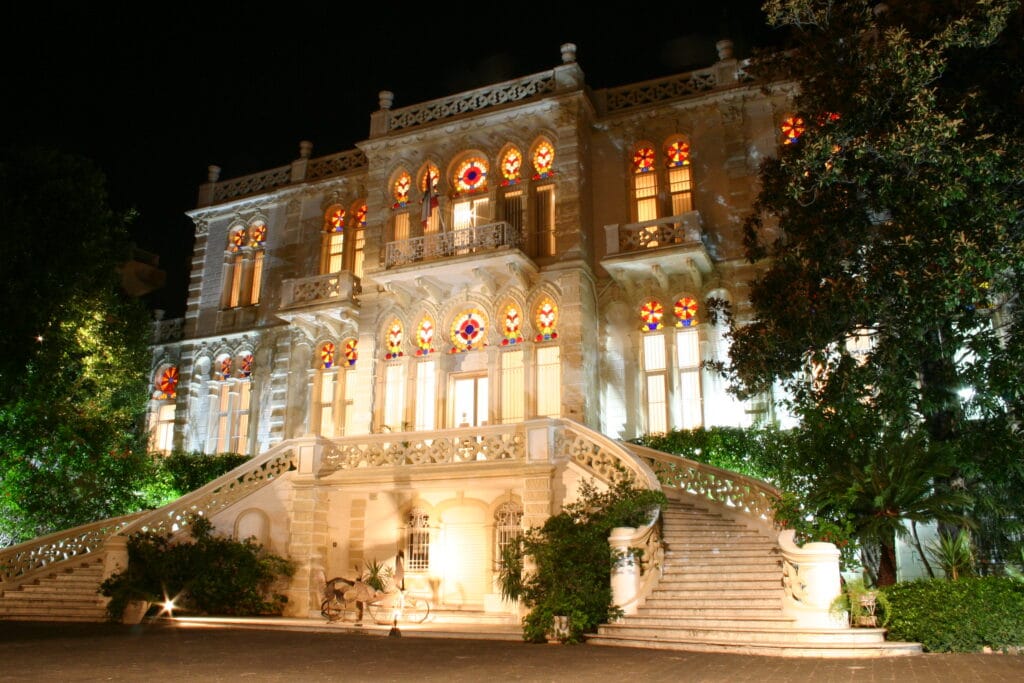
Sursock Museum is one of Beirut’s most important cultural institutions and one of the key places to understand modern and contemporary art in Lebanon within a setting charged with memory, architecture, and urban history. Housed in the former residence of Nicolas Ibrahim Sursock, the museum is not simply a gallery placed inside a historic building. It is a museum in which the building itself forms part of the experience and part of the meaning. That is one of its greatest strengths. Visitors are not only seeing art on walls. They are also moving through a place that carries the atmosphere of an older Beirut while remaining closely tied to the city’s contemporary artistic life.
What makes Sursock Museum especially distinctive is the way it links art to cultural memory. Many museums of modern and contemporary art aim for neutrality: clean white rooms, detached presentation, and an emphasis on art as something separate from place. Sursock is different. The museum’s identity is inseparable from Beirut, from the history of the Sursock family, and from the larger story of a city marked by cosmopolitan ambition, fracture, resilience, and reinvention. This gives the institution a different tone from more anonymous art museums. It feels local and deeply rooted without becoming narrow.
The museum is also especially rewarding because it balances historic atmosphere with contemporary relevance. Visitors can feel the presence of an earlier Beirut in the mansion’s character and setting, but the museum is not frozen in nostalgia. It is also a place of present-day artistic engagement. Modern and contemporary Lebanese art, regional work, temporary exhibitions, and changing curatorial approaches keep it active rather than purely commemorative. This balance is one of the reasons the museum matters so much. It acts as a bridge between heritage and current cultural conversation.
For many visitors, Sursock Museum is also valuable because it offers a more intimate and reflective art experience than very large national institutions. It does not try to overwhelm through scale. Instead, it works through concentration, atmosphere, and the relationship between art and setting. This can make the visit especially memorable. Rather than leaving with the impression of having passed through countless rooms, visitors often leave with a stronger memory of mood, place, and a handful of works or spaces that felt unusually connected to the city itself.
Collection Highlights
The collection and exhibition programme at Sursock Museum are strongest when they reveal the development of Lebanese modern and contemporary art in relation to the wider cultural life of Beirut. This is where the museum becomes more than a historic mansion with paintings. It becomes a place where visitors can sense the intellectual, social, and artistic currents that shaped Lebanon’s modern visual culture. Works by Lebanese artists often carry particular weight here because they are seen in a setting that feels culturally specific rather than generic.
Modern Lebanese art is one of the museum’s key strengths. These works can be especially rewarding because they help visitors understand how artists in Lebanon negotiated tradition, modernity, urban life, landscape, abstraction, memory, and political tension. In a museum like this, the collection is rarely only about isolated masterpieces. It is about cultural continuity and artistic language. The museum’s modern holdings often give visitors a stronger sense of Beirut’s artistic history than a more internationally diffuse institution would.
Contemporary exhibitions are also central to the museum’s identity. Sursock is not at its best when treated only as a repository of historic works. Its force often lies in how the older building and legacy of the institution meet newer art. This creates a productive tension. Contemporary works shown here can feel sharper because they enter into dialogue with architecture, memory, and the museum’s inherited cultural aura. That interplay can make temporary exhibitions especially important, sometimes as important as the permanent collection itself.
The museum’s strength also lies in selectivity. It is not trying to compete with giant encyclopedic museums by breadth alone. Instead, it offers a more focused encounter with modern and contemporary art shaped by Lebanese and regional contexts. This means visitors often need to look more carefully and more patiently. The museum is strongest when approached not as a checklist site but as a place where context matters. Paintings, sculpture, and installation can all gain force from being seen within a building and institution so closely linked to the city’s history.
In many cases, one of the museum’s most memorable “highlights” is not a single artwork but the encounter between art and house. A room, a window, a staircase, or the way a contemporary piece sits inside a historic space can remain in the memory as strongly as any individual object. This is one of the museum’s subtle but important virtues. It knows that its power lies partly in relationship rather than only in object prestige.
Building and Setting
The building is absolutely central to the identity of Sursock Museum. Originally a private residence, it carries the visual language of a historic Beirut mansion while also functioning today as a public museum. This dual identity gives the institution much of its force. Visitors are not entering a neutral modern art box. They are entering a space shaped by domestic history, social status, architectural character, and urban memory.
What makes the building especially effective is that it preserves atmosphere without becoming purely theatrical. The architecture is elegant and distinctive, but it does not simply perform old-world charm. It helps frame the museum’s larger purpose: connecting Beirut’s artistic present to the deeper cultural fabric of the city. The house-like quality of parts of the museum can make the visit feel more intimate than in larger institutions, while later additions and adapted gallery spaces support the museum’s life as a serious exhibition venue.
Its place in Beirut matters greatly. Sursock Museum feels inseparable from the city’s layered history. Beirut is a place where memory and damage, continuity and interruption, elegance and fracture often coexist, and the museum reflects that larger condition. This gives the institution unusual emotional and cultural resonance. Even a visitor with limited prior knowledge of Lebanese art can usually feel that the museum is carrying more than a collection. It is carrying part of the city’s cultural memory.
The museum’s setting also makes it different from the monumental national museum model. It does not rely on overwhelming civic scale. Its authority comes instead from character, continuity, and cultural importance. This can make it especially appealing for visitors who value museums with strong local identity and atmosphere.
Practical Information
Sursock Museum works best when visited slowly. It is not a place to rush through looking only for the biggest names or most instantly legible contemporary works. A better approach is to let the building shape the pace. Move through the spaces with time to notice how rooms, staircases, views, and architectural details interact with the art.
A sensible route is to begin by absorbing the building itself before focusing too narrowly on individual works. Once the atmosphere of the museum has settled in, the collection and exhibitions often become more meaningful. This is particularly true if contemporary works are on view, since part of their force may come from the contrast with the museum’s historic setting.
Temporary exhibitions should be taken seriously here. In a museum like Sursock, changing shows are often central rather than secondary. They help keep the institution alive and can strongly shape the character of any one visit. Returning visitors may find the museum meaningfully different depending on the exhibition programme.
This is also a museum that pairs well with a broader day in Beirut, especially if the goal is not only to see art but to understand something of the city’s cultural tone. Even a relatively short visit can feel rewarding, but those interested in architecture, memory, and Lebanese modernism will likely want more time.
Why Visit
Sursock Museum is best for visitors interested in modern and contemporary art, Beirut’s cultural history, and museums where architecture and memory are inseparable from the collection. Its greatest strength is that it does not present art in abstraction from place. Instead, it makes Beirut itself part of the museum experience.
What makes it worth prioritising is the combination of setting, atmosphere, and cultural specificity. The museum offers modern and contemporary art, but it also offers a way of understanding how art lives within the history of a city marked by elegance, change, and resilience. Few museums of this scale carry such a strong sense of local identity.
For many visitors, Sursock Museum becomes memorable because it feels complete in a quiet way. It is not a museum of overwhelming size or spectacle. It is a museum of character, reflection, and cultural depth. That makes it one of Beirut’s essential institutions and one of the most rewarding art visits in the region for anyone who values museums that remain deeply tied to the place they inhabit.