Sursock Museum Review
A thoughtful review of Beirut’s Sursock Museum, where modern Lebanese art and historic architecture combine for one of the city’s most memorable cultural visits.
A thoughtful review of Beirut’s Sursock Museum, where modern Lebanese art and historic architecture combine for one of the city’s most memorable cultural visits.
Best forMasterpieces, architecture, cultural history
Review focusCollection highlights, building, visitor flow
Historical Context
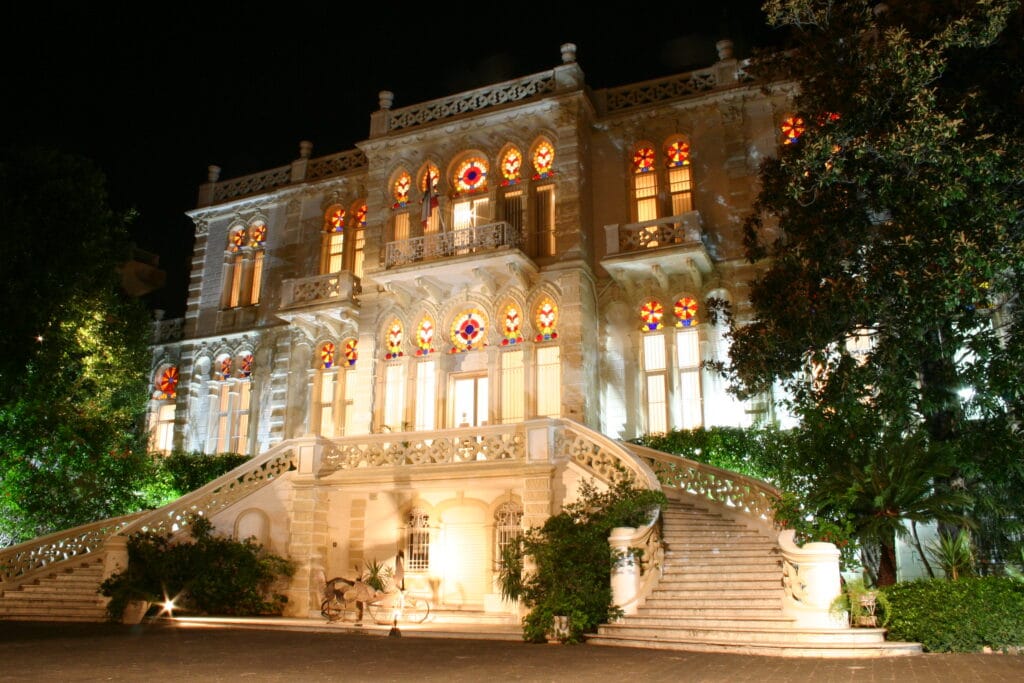
The Sursock Museum in Beirut is deeply rooted in the cultural and social history of Lebanon. Originally built in 1912 as a private villa for Nicolas Sursock, a prominent figure in Beirut’s aristocratic society, the building reflects a period when the city was a meeting point of European influence and Middle Eastern tradition. The architecture itself, combining Venetian and Ottoman elements, captures this blend and sets the tone for the museum’s identity today.
After Nicolas Sursock’s death, the villa was transformed into a public museum in the mid-twentieth century, opening its doors in 1961. Its mission was to promote modern and contemporary art, particularly from Lebanon and the broader region. This focus became increasingly important as Beirut developed into a cultural center in the Arab world. However, the museum’s history has also been shaped by periods of conflict, including the Lebanese Civil War, which affected both the building and its operations.
More recently, the Sursock Museum underwent extensive restoration and expansion, especially after suffering significant damage during the Beirut port explosion in 2020. Its reopening marked not only a return to cultural life, but also a symbol of resilience. Today, the museum stands as both a historical structure and a contemporary institution, reflecting Beirut’s layered identity.
What You See on Arrival
Arrival at the Sursock Museum is defined by contrast. The building rises within a residential area of Beirut, and its elegant façade immediately distinguishes it from the surrounding urban environment. The exterior combines ornate details with a refined presence, offering a sense of quiet sophistication rather than monumental scale.
Approaching the entrance, visitors notice the careful restoration work that preserves the villa’s historical character while integrating modern elements. This balance continues inside, where original architectural features coexist with contemporary gallery spaces. The transition from exterior to interior is smooth, guiding visitors from a private, almost domestic setting into a more open and structured museum environment.
The first impression inside is one of calm and clarity. Light filters through windows and open spaces, creating an atmosphere that feels both intimate and refined. Unlike large, crowded museums, the Sursock Museum offers a more contained experience. The layout is readable, with rooms unfolding in a sequence that reflects the building’s original design while accommodating exhibition needs.
The mood is reflective and measured. There is a sense that the museum encourages slower engagement, inviting visitors to move deliberately through its spaces. The connection between architecture and exhibition is particularly strong here, as the building itself becomes part of the experience rather than merely a container for art.
Highlights and Key Exhibitions
The Sursock Museum is known for its focus on modern and contemporary art, particularly from Lebanon and the Middle East. This regional emphasis gives the collection a distinct identity, setting it apart from institutions that prioritize European or global canonical works.
One of the key strengths of the museum is its ability to present Lebanese art within both local and international contexts. Paintings, sculptures, and installations explore themes such as identity, memory, conflict, and cultural transformation. These works often carry a strong emotional and intellectual weight, reflecting the complex history of the region.
The museum’s exhibitions are carefully curated, often combining historical pieces with contemporary works to create dialogue across time. This approach allows visitors to see how artistic practices have evolved and how current artists respond to both local and global influences.
Temporary exhibitions play an important role, bringing in new perspectives and expanding the scope of the museum. These exhibitions can vary widely in theme, but they consistently maintain a focus on relevance and critical engagement. Whether addressing social issues or exploring formal artistic concerns, they contribute to a dynamic and evolving program.
Another highlight is the building itself. The restored interiors, including decorative details and original features, provide a unique setting for the artworks. This combination of historical architecture and contemporary art creates a layered experience that enhances both elements.
Visitor Experience
The visitor experience at the Sursock Museum is shaped by its scale and atmosphere. Unlike larger institutions, it offers a more intimate and focused environment. This allows visitors to engage more deeply with individual works and exhibitions.
Pacing is naturally slower, as the layout encourages movement from room to room rather than through large open halls. This structure supports a more reflective approach, where visitors can take time to consider what they are seeing without feeling pressured to move on quickly.
Signage is clear but unobtrusive, providing necessary context without overwhelming the visual experience. The balance between information and observation is well maintained, allowing visitors to form their own interpretations while still having access to key details.
Crowds are generally manageable, contributing to a calm and comfortable atmosphere. This makes the museum particularly appealing for those who prefer quieter cultural experiences. The environment supports concentration and contemplation, which aligns well with the nature of the artworks on display.
The overall tone is thoughtful and respectful. The museum does not aim for spectacle, but for meaningful engagement. This approach may not appeal to all visitors, but for those interested in contemporary art and cultural context, it provides a rewarding experience.
Tickets, Access, and Planning
Planning a visit to the Sursock Museum requires some attention to practical details, particularly given Beirut’s dynamic environment. Checking opening hours and current exhibitions in advance is recommended, as schedules may vary.
The museum’s location is accessible within the city, but visitors should consider transport options and local conditions when planning their visit. Once inside, navigation is straightforward, and there is no need for a strict route or itinerary.
Allowing sufficient time is important, as the museum’s strength lies in its depth rather than its size. A rushed visit may not fully capture the nuances of the exhibitions. Taking time to move through the galleries at a measured pace enhances the experience.
Facilities are integrated into the overall design, supporting both short visits and longer stays. The museum works well as part of a broader exploration of Beirut, particularly for those interested in the city’s cultural landscape.
Final Verdict
The Sursock Museum stands out as one of the most important cultural institutions in Beirut, offering a thoughtful and carefully curated experience centered on modern and contemporary art. Its combination of historical architecture and contemporary programming creates a unique environment that is both visually and intellectually engaging.
Who should visit? The museum is ideal for visitors interested in contemporary art, regional culture, and the intersection of history and modern expression. It is particularly suited to those who appreciate quieter, more reflective museum experiences.
Why visit? Because the Sursock Museum provides insight into the artistic and cultural life of Lebanon within a setting that is itself part of that history. It offers a meaningful encounter with art that is both locally grounded and globally relevant, making it a significant and memorable destination.