Shenzhen Museum Review
First Impressions Shenzhen Museum is not designed to overwhelm visitors with imperial grandeur or blockbuster fame. Its appeal is different. It offers a.

First Impressions Shenzhen Museum is not designed to overwhelm visitors with imperial grandeur or blockbuster fame. Its appeal is different. It offers a.
Best forMaritime history, ships, harbour heritage
Review focusCollection, setting, visitor experience
Historical Context
Shenzhen Museum was established in 1981 as one of the key public museums in Shenzhen, Guangdong Province. Its foundation coincided with a period of profound change in the region, aiming to document both the local history and the rapid urban development that propelled Shenzhen from a modest coastal town into a major global city. Over the decades, the museum expanded into multiple buildings, each dedicated to different aspects of the region’s heritage, including archaeology, folk culture, and contemporary history. This focus on Shenzhen’s evolution during the late twentieth-century reform and opening-up period positions the museum as an essential institution for understanding not only local transformations but also the broader processes shaping modern China.
What You See on Arrival
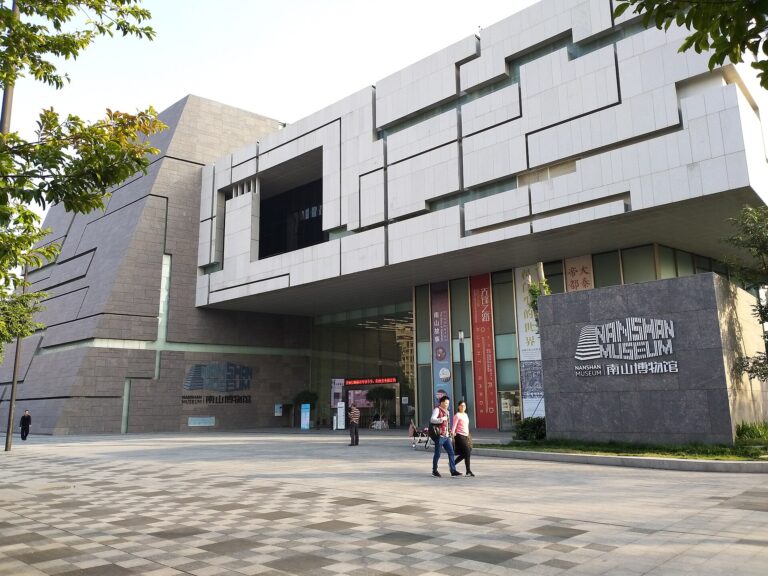
Visitors approaching Shenzhen Museum encounter a complex that is thoughtfully designed rather than ostentatious. Unlike some of China’s grand national museums, Shenzhen Museum favors a grounded architectural style that reflects its emphasis on clarity and education over spectacle. The layout comprises several buildings that, while coordinated as a whole, allow visitors to select specific themes or eras that interest them most. The entrance area is welcoming and functional, setting the tone for an experience that is both informative and accessible. Contrary to overwhelming first impressions of imperial grandeur or blockbuster displays, the museum's presentation is calm and practical, encouraging visitors to engage thoughtfully with Shenzhen’s story.
Highlights and Key Exhibitions
The museum’s key strength lies in its coherent thematic focus on the region’s historical trajectory and cultural identity. Permanent exhibitions guide visitors through the area’s early archaeological heritage, showcasing artifacts that illuminate ancient settlements and traditional crafts. These displays provide essential background that enriches understanding of the city’s place in China’s historical geography.
One particularly compelling aspect is the focus on Shenzhen’s transformation in the reform era, highlighting the city’s dramatic development after the late 1970s. Photographs, documents, and everyday objects chart the rapid urbanization and economic expansion, making abstract processes tangible and relatable. Exhibits explore how policy decisions and trade have shaped Shenzhen, linking local developments to broader questions about urban growth and cultural evolution in border regions.
In addition to regional history, the museum features exhibitions on Chinese cultural arts such as ceramics, calligraphy, and other traditional practices. While these displays are not designed to compete with larger national collections, they offer important context and enrich the visitor’s appreciation of local identity within the wider cultural fabric of China.
Visitor Experience
Shenzhen Museum offers a visitor experience marked by clarity and accessibility. The exhibitions are arranged thematically and chronologically, allowing a coherent narrative flow from ancient times through to the modern metropolis. Interpretation is straightforward and avoids specialist jargon, making it accessible to those unfamiliar with Chinese history as well as to local visitors. The museum is more compact and easier to navigate than many larger, more sprawling institutions, facilitating a meaningful and focused visit without requiring extensive time commitment.
The atmosphere tends to be calm and contemplative rather than ceremonial or theatrical. This suits Shenzhen’s character as a city built on rapid change and practical innovation. Visitors often appreciate the quieter environment, where crowds are generally smaller and the space allows for reflective engagement with the displays. The museum’s proximity to the modern urban environment reinforces its contemporary relevance, helping visitors to immediately connect historical narratives to the cityscape outside.
Given its scope and scale, the museum can be explored in parts or in full, accommodating a range of visitor preferences. Many choose to concentrate on the sections dedicated to folk culture and recent urban development, which vividly convey the human dimension behind Shenzhen’s global profile as a technology and economic hub.
Tickets, Access, and Planning
Details regarding ticket prices, opening hours, and temporary exhibitions at Shenzhen Museum may vary, and prospective visitors are advised to consult the official museum website or contact the institution directly for the most current information before planning a visit. The museum complex includes multiple buildings which may require some walking between them, so comfortable footwear and allowance of adequate time will enhance the experience. Accessibility features and visitor services should also be verified ahead of arrival to ensure a smooth visit.
The manageable size and clear signage within the museum help visitors organize their time effectively. Whether a brief visit to gain an introduction to Shenzhen’s heritage or a lengthier exploration of the full collection, the museum’s layout supports a flexible itinerary. It is advisable to check whether any special exhibitions or events coincide with the intended date of visit, as these may enrich or adjust the experience.
Final Verdict
Shenzhen Museum stands out as an invaluable institution for anyone seeking to understand the city beneath its modern skyline. Its focused approach to regional history, cultural heritage, and urban transformation offers a depth of perspective often missing in faster-paced city visits. While it may lack the visual grandeur and international prestige of China's largest museums, its strengths lie in accessibility, coherence, and relevance.
The museum’s grounded, practical presentation makes it especially suitable for visitors interested in how Shenzhen evolved from a small town into a leading economic powerhouse in just a few decades. By avoiding overwhelming scale and opting instead for clear, well-curated storytelling, Shenzhen Museum provides a thoughtful counterpoint to the city’s relentless modernity. It is a highly recommended destination for travelers seeking a meaningful historical context to complement Shenzhen’s dynamic present.