Museum Mayer van den Bergh Review
Antwerp, Belgium. The Museum Mayer van den Bergh in Antwerp stands out by revolving almost entirely around one remarkable private collection assembled in the late 19th and early 20th centuries. Unlike broader art institutions with diversified…
Antwerp, Belgium. The Museum Mayer van den Bergh in Antwerp stands out by revolving almost entirely around one remarkable private collection assembled in the late 19th and early 20th centuries. Unlike broader art institutions with diversified…
Best forMuseum lovers, culture travelers, first-time visitors
Review focusCollections, visitor experience, and practical planning
Purpose, Place, and Perspective
The Museum Mayer van den Bergh in Antwerp stands out by revolving almost entirely around one remarkable private collection assembled in the late 19th and early 20th centuries. Unlike broader art institutions with diversified holdings and sweeping ambitions, this museum is defined by the intense, personal vision of Fritz Mayer van den Bergh, a collector whose tastes coalesced around early Netherlandish art but also encompassed medieval objects, Renaissance sculpture, and applied arts. This narrow but rich focus sets the museum apart from other Antwerp institutions more associated with Flemish Baroque or modern art. It captures a slice of art history defined by the period from roughly the 14th to the 16th century, steeped in a particular set of aesthetics and craftsmanship that predates the more ostentatious styles of the 17th century.
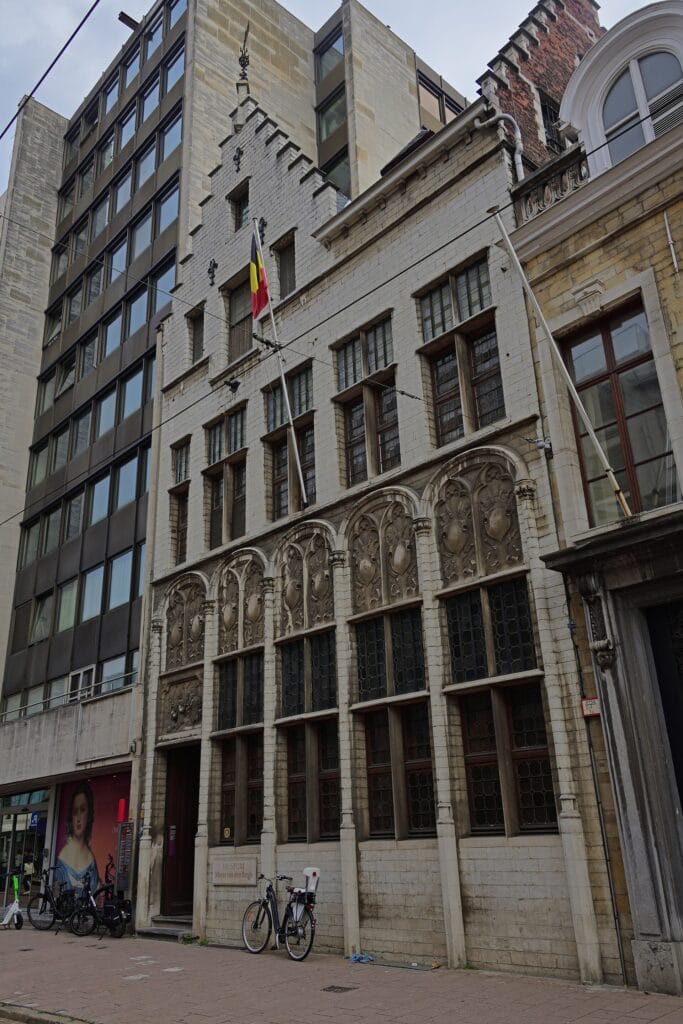
The museum’s founding in the early decades of the 20th century also reflects a moment in European collecting when private patrons sought to rescue and consolidate artworks that might otherwise have been dispersed or overlooked. The Mayer van den Bergh family transformed a historic Antwerp townhouse into a repository designed explicitly to showcase their recently acquired collection, preserving an intimate, almost domestic setting for the art. This approach creates a distinct atmosphere relative to larger, more impersonal museums housed in grand, purpose-built gallery spaces or former palaces. The historical house itself, with period rooms and interiors, contributes an additional layer of context, although the building dates primarily from the 16th century and was adapted by the family for exhibition rather than renovated to modern museum standards.
The overarching goal behind the museum’s existence has been to provide a concentrated lens on an era and set of artistic traditions often overshadowed by other European art centers. While the collection mainly highlights Belgian and Flemish artists, its objects also engage with broader European medieval culture, offering insight into religious, secular, and decorative practices prior to the Renaissance’s full flowering. The museum’s perspective does not stretch to survey multiple centuries or artistic movements but rather embraces a deep dive into a specific historical and stylistic moment framed by its founder’s distinctive selections and intellectual interests.
The Core Collection
At its heart, the Museum Mayer van den Bergh is a concentrated treasury of medieval and early Renaissance art pieces, centered chiefly on paintings, sculpture, and devotional objects. The standout item – and the collection’s foundational gem – is the "Madonna and Child" by Pieter Bruegel the Elder, a rare and early work by this key 16th-century artist whose name is synonymous with Northern Renaissance painting. This piece alone underlines the exceptional nature of the museum’s holdings because Bruegel’s works are comparatively scarce and highly valued among art historians and collectors. It acts as a lodestar, around which the rest of the collection’s artistic quality and significance can be understood.
Beyond Bruegel, the collection includes a variety of religious statues, altarpieces, and intricately carved ivories and wooden objects. There is also a notable series of Flemish paintings from the 15th and 16th centuries, created by less famous but influential artists who contributed to the cultural milieu of that time. Their works—ranging from panel paintings to drawings and illuminated manuscripts—exemplify the transition from medieval styles to Renaissance naturalism and iconography.
The inclusion of objects related to everyday religious practice, such as reliquaries and devotional triptychs, broadens the collection’s narrative. It sheds light not just on elite art but also on functional, spiritual pieces that sustained belief and ritual in ordinary life several centuries ago. While these are not household names for the general public, the museum’s collection offers substantial material for specialists interested in pre-Baroque Northern European art and the cultural role of sacred images before the Counter-Reformation period.
Despite its focus on medieval and early Renaissance works, the collection does not extend deeply into contemporary art or later periods, which defines its clear chronological boundary. This might feel limiting to visitors expecting a wider historical sweep, but it is also what lends the collection coherence and avoids dilution. The curatorial choice to maintain this specific timeframe underlines both the coherence of the collection and the intensive narrative it can develop in a relatively compact space.
Exhibitions and Interpretation
The exhibition strategy at the Museum Mayer van den Bergh appears to rely on presenting the core collection with minimal distraction. This means that rather than organizing thematic or chronological exhibitions that recontextualize items every few months, the museum maintains a relatively stable presentation centered on its permanent holdings. Given the specialized nature of the collection, this approach ensures that its strengths—the precious paintings and sculptures—remain in clear focus. It also suits the domestic scale of the building, where objects can be displayed closely and almost intimately.
Interpretation tends to be factual and restrained, providing historical and artistic context for key artworks and their creators, without resorting to oversimplification or overly decorative narratives. The museum offers explanations that illuminate the artistic techniques and the social-religious milieu of the 15th and 16th centuries. Since the highlights include devotional art, there is valuable attention paid to how these objects functioned in worship and private devotion. However, the interpretive materials do not dwell extensively on broader art historical trends or cross-disciplinary themes, which might leave general audiences wanting if they are unfamiliar with the period.
This focused mode of interpretation matches the museum’s scale and collection but may not satisfy onsite visitors looking for interactive technologies or large-scale curatorial experiments. The museum balances scholarly rigor with accessibility, but neither the setting nor the content suggests an expansive, multimedia experience. This austere presentation style respects the collection's atmosphere and the fragility of the objects, though it might also limit engagement among those who prefer more sensory or experimental exhibition strategies.
Audience Fit and Visitor Flow
The Museum Mayer van den Bergh is well suited to visitors with a particular interest in medieval and early Renaissance art, especially those fascinated by Northern European religious imagery and Flemish cultural history. Art historians, scholars, and connoisseurs of Pieter Bruegel and his contemporaries find a notable concentration of material here unavailable elsewhere in such a compact and maintained form. The museum’s specificity supports a deep but narrow appeal rather than a generalist approach aiming for mass tourism.
The small scale of the museum’s historic townhouse influences the visitor experience more than many other museums of comparable age or focus in larger purpose-built spaces. The rooms are intimate, encouraging a deliberate pace, though this can also mean congestion when the site reaches capacity or during temporary expansions of display. Visitor flow is likely linear, moving from room to room through a defined sequence that follows the collection rather than offering alternative pathways or thematic groupings. This straightforward route limits choice but can help maintain concentration on the collection’s core narrative.
Because the museum is relatively low profile compared to Antwerp’s larger institutions, it attracts serious visitors rather than casual passers-by. Its audience tends not to be families with young children or visitors seeking broad entertainment. Instead, it fits those with an academic interest or a firm appreciation for the nuances of late medieval European art. The setting in Antwerp’s city center ensures it can be combined with other cultural visits, but the museum itself demands some prior knowledge or curiosity to be fully appreciated.
Highlights and Trade-Offs
The central highlight, Bruegel’s "Madonna and Child," embodies the museum’s strength and its limitation simultaneously. This masterpiece demands attention and anchors the collection’s profile internationally. But the museum’s reliance on a relatively narrow range of periods and regional styles means it cannot offer a wider scope of artistic innovation or historic periods. The strength in focus imposes a trade-off: the collection’s depth in one era comes at the expense of breadth across centuries or styles.
The integration of smaller, more intimate objects—such as intricately carved ivories and devotional triptychs—complements the large-format paintings and sculptures. These pieces fill out a cultural and devotional narrative often absent in larger museums that may concentrate on grand altarpieces or canonical painters alone. The trade-off here is scale and sometimes visibility. Smaller works require careful attention in dimly lit rooms, limiting accessibility for those with visual impairments or less patience for detailed examination.
The medieval townhouse setting itself provides architectural charm and historical resonance but lacks modern museum facilities or expansive gallery spaces. This confinement means the collection cannot be expanded easily, nor can temporary exhibitions be large or frequent. Those seeking dynamic programming or contemporary dialogues around early art might find the museum’s offerings relatively static. However, the building’s authenticity enhances the experience of historical art pieces when compared with newer, more neutral gallery settings.
Visit Planning
Practical information on hours, ticketing, access, and amenities should be verified ahead of visiting through the museum’s official channels. Given the specialized nature and relatively modest size, visits are typically brief, though devoted art historians might spend more time studying the collection in detail. The museum’s compact layout means that visitors should not expect a lengthy exploration but rather a concentrated engagement with deep knowledge of a particular art historical moment.
The museum’s location in Antwerp benefits those combining it with other city attractions centered on Flemish painting and medieval heritage. However, reliance on a historical building combined with limited gallery space may pose certain challenges related to climate control or physical access, aspects that more modern institutions might address more comprehensively.
The Bottom Line
Museum Mayer van den Bergh occupies a distinctive niche in Antwerp’s cultural scene by preserving and presenting one concentrated collection that zeroes in on early Netherlandish and medieval art through a collector’s personal lens. Its modest scale and focused scope make it a specialist destination that will reward those interested in late medieval art and Northern Renaissance painters such as Pieter Bruegel the Elder. The historic townhouse setting imparts a unique, intimate atmosphere appropriate to the period but also limits expansion and contemporary museological approaches.
The museum is strongest when experienced as a curated time capsule of a specific art historical moment rather than as a broad survey or experimental space. Its restraint in interpretation and stable exhibition profile may not satisfy visitors looking for multimedia engagement or diverse narratives across centuries. Still, for those with scholarly interests or a nuanced appreciation of medieval devotional objects, the Museum Mayer van den Bergh offers a focused, well-preserved window into Antwerp’s artistic past before the Baroque era reshaped the city’s cultural identity.