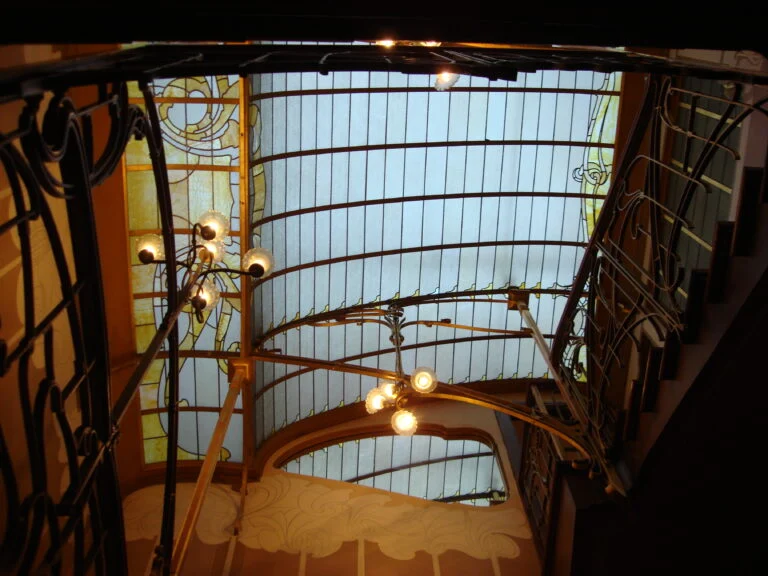
Museum Mayer van den Bergh
Antwerp, Belgium. Museum Mayer van den Bergh in Antwerp houses a collection built around the private interests of Fritz Mayer van den Bergh, a collector and art enthusiast active in the late 19th and early 20th…
Best forMuseum lovers, culture travelers, first-time visitors
Setting / nearbyAntwerp, Belgium
Overview
Museum Mayer van den Bergh in Antwerp houses a collection built around the private interests of Fritz Mayer van den Bergh, a collector and art enthusiast active in the late 19th and early 20th centuries. The museum's identity centers mostly on art from the late medieval and early Renaissance periods, a focus shaped by Mayer van den Bergh’s personal acquisitions. It stands out for concentrating on lesser-known Northern European masters and a distinctive group of works that might not be as prominently featured in larger art institutions. Unlike broadly chronological art museums or those anchored by a few famous names, this museum reflects the taste of a single collector who gathered a diverse yet thematically connected group of paintings, sculptures, and decorative art objects.
Collection Highlights
The collection includes numerous paintings dating mainly from the 15th and early 16th centuries. Among these, pieces attributed to Flemish and Dutch artists of the late Gothic and early Renaissance periods are especially important. The collection is known for exhibiting work by artists who worked in Bruges and Antwerp during the transitional period between medieval and Renaissance art.
A cornerstone of the museum’s holdings is Pieter Bruegel the Elder’s “Dulle Griet” (Mad Meg), a striking and somewhat eerie painting depicting a wild woman leading an army of women to pillage Hell. This work gained fame not necessarily for its grand scale, but for its unique narrative and vivid detail, showing the artist’s interest in folk tales and social commentary.
Alongside paintings, the museum contains works on paper, sculptures, and a variety of decorative objects. Not all of these pieces are universally famous, but they contribute to a coherent view of late medieval and Renaissance material culture as perceived by a collector with a keen eye for unusual or undervalued art. Some objects relate to religious devotion, displaying fine craftsmanship and iconography typical of the period and region.
Museum Mayer van den Bergh tends to display objects that give a sense of art on the cusp of major stylistic and cultural shifts in Northern Europe. This focus appeals to those curious about art outside the canonical Italian Renaissance and who want to see works that bring to light different regional approaches and themes.
Building and Setting
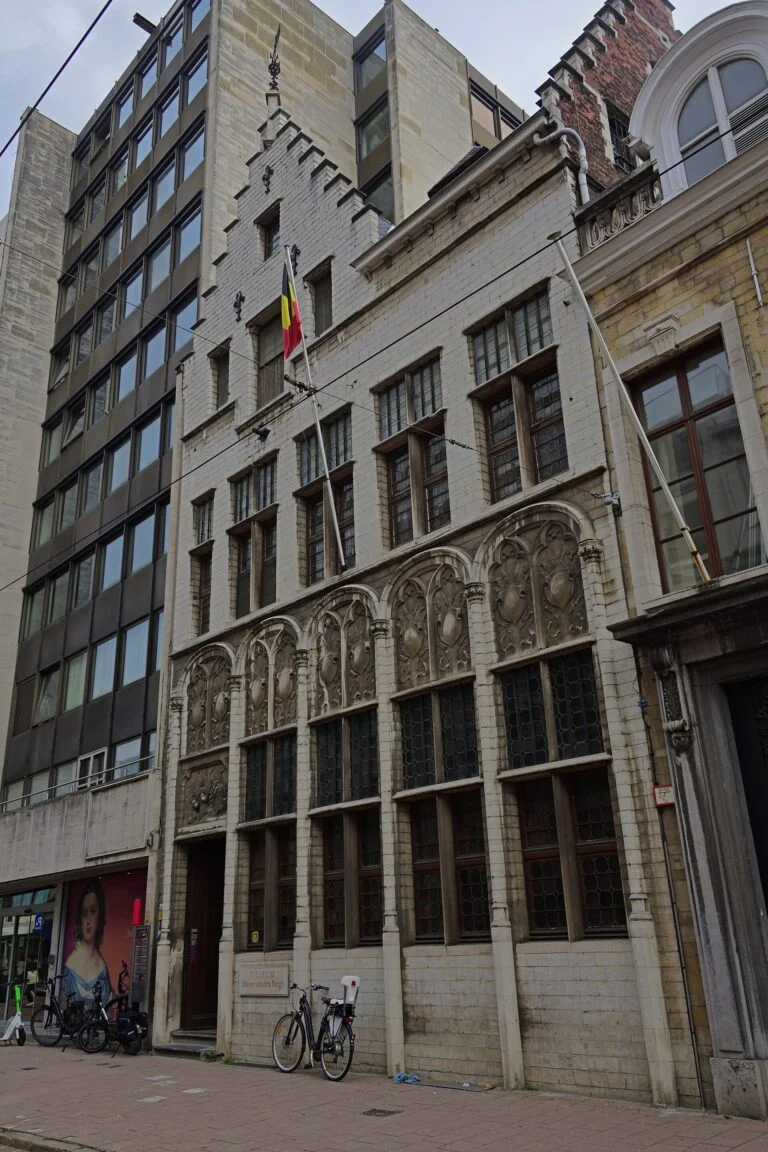
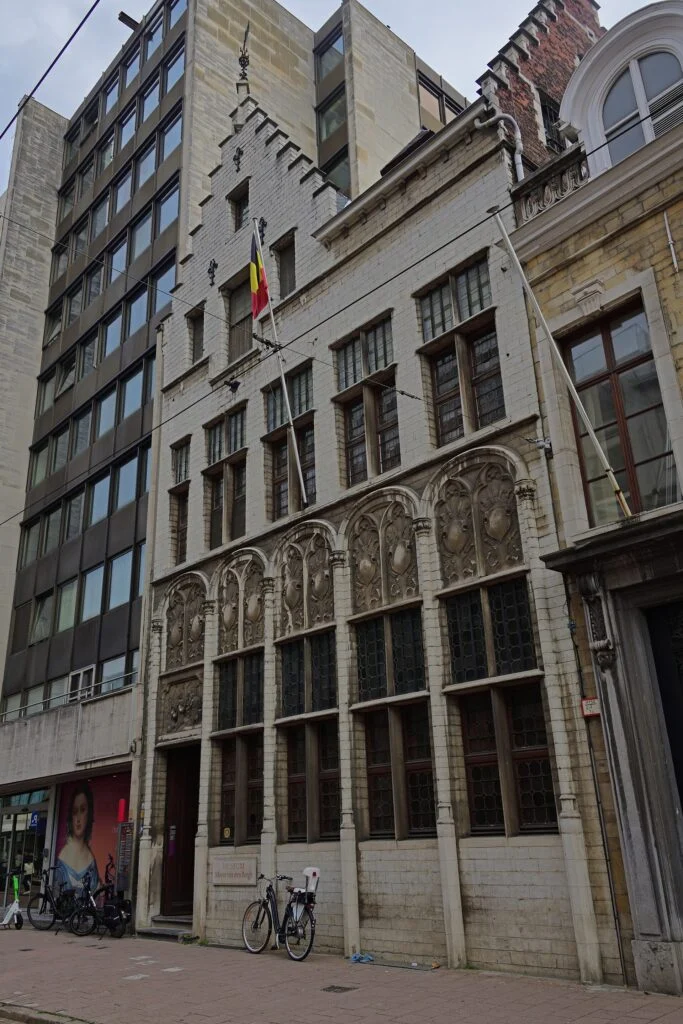
The museum is housed in a 19th-century town house on Antwerp’s Kolveniersstraat. This building was originally the private residence of Fritz Mayer van den Bergh, designed or adapted to accommodate his art collection. The size and layout reflect this private collector’s vision rather than the large-scale exhibition spaces of modern museums.
Antwerp itself, with its long history as a commercial and cultural hub in Belgium, provides useful context for the collection. The building is located within the historic city centre, an area characterized by narrow streets and old buildings. The localization links the museum not just physically but historically to the artistic activity in the region during the periods represented by much of its collection.
Practical Information
Details about opening hours, admission fees, available discounts, or special tours can change and should be checked on the museum’s official website before planning a visit. The website will also provide current information about accessibility options and any temporary exhibitions or events running alongside the permanent collection.
Because of the nature of the collection and the building, the museum can appeal to visitors with a particular interest in late medieval art or collectors’ histories, rather than those expecting large-scale modern institutions or a broad chronological overview of European art.
Why Visit
Museum Mayer van den Bergh can offer a rewarding experience for people interested in Northern Renaissance art beyond the most famous names and works. Its distinctive collection focuses on a niche period and group of artists that are often secondary to the broader public’s awareness of European art history. Viewing Pieter Bruegel the Elder’s “Dulle Griet” alone justifies many visits, given the painting’s unusual subject and execution.
The museum's character as a former private collection preserved in its original setting gives it an intimate scale that is unusual compared to larger national museums. This smaller scale can be either an advantage or limitation depending on visitors’ expectations. Those looking for a broader range of artistic periods or a comprehensive survey of Flemish painting might find the scope narrow. However, those intrigued by the collector’s personal taste and the particular moment in art history represented here will find plenty to explore.
Because the building was originally a private home adapted to display art, the way the pieces are arranged offers insight into the collector’s approach. This can feel more like stepping into a historical interior and a personalized art universe than visiting a conventional museum layout, which brings its own interest as part of understanding art collecting practices from the early 20th century.
In sum, the Museum Mayer van den Bergh suits visitors drawn to early Netherlandish art, lesser-known artists of the period, and the experience of a private collection preserved in its original environment. Its clear highlight is the specialized focus, combined with a key painting by Bruegel that stands out in Northern Renaissance art, balanced by the limitations common to smaller historic house museums.