Museum of Modern Art of Algiers Review
Art Museums · Algiers, Algeria. The Museum of Modern Art of Algiers positions itself within a layered cultural and political landscape. Algeria’s history as a former French colony and its complex path through decolonisation have left deep imprints on…
Art Museums · Algiers, Algeria. The Museum of Modern Art of Algiers positions itself within a layered cultural and political landscape. Algeria’s history as a former French colony and its complex path through decolonisation have left deep imprints on…
Best forArt lovers, visual culture, architecture
Review focusCollections, curatorial focus, and visitor planning
The Museum in Context
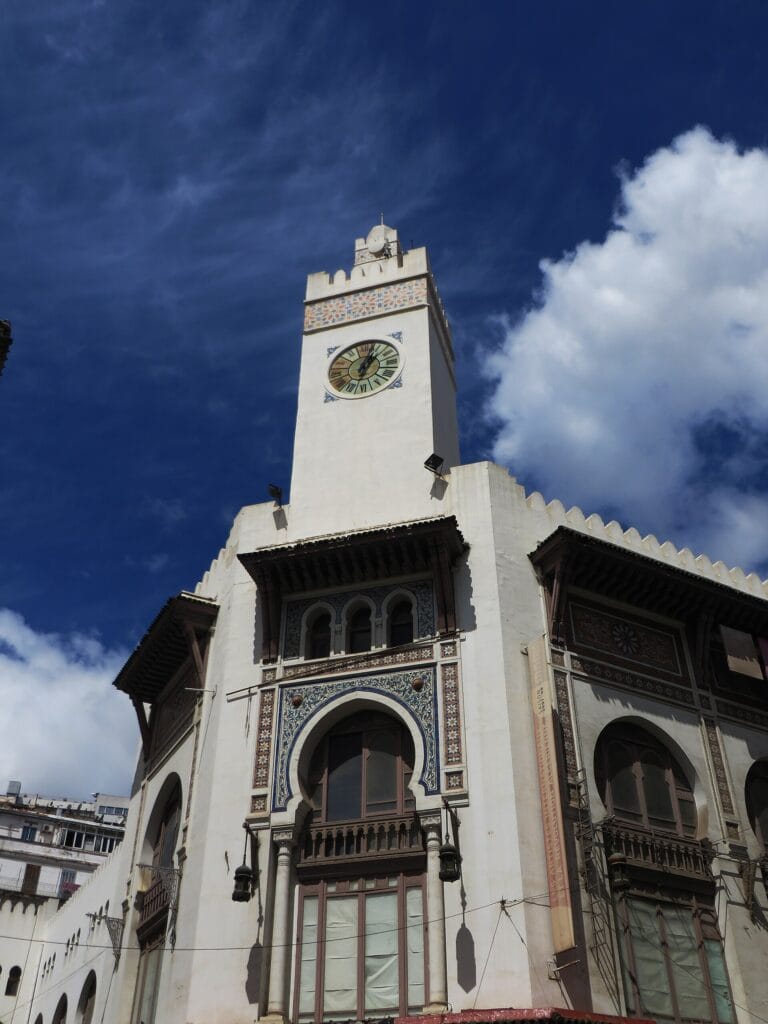
The Museum of Modern Art of Algiers positions itself within a layered cultural and political landscape. Algeria’s history as a former French colony and its complex path through decolonisation have left deep imprints on its artistic legacy. The museum, located in the country’s capital, aims to address modern and contemporary art from Algeria and the wider Maghreb region, setting it apart from institutions oriented solely around global modernism or European art narratives. It functions less as a generic modern art museum and more as a cultural referent for understanding post-colonial identity, national memory, and artistic innovation in North Africa. The building’s architecture, part of a broader urban regeneration project inaugurated in 2007, signals a state ambition to position Algiers as a Mediterranean art hub, reconnecting Algerian culture with global modernism through a distinctly local lens. This context shapes expectations: the focus will be on art that interacts with Algeria’s political history, social transformations, and aesthetic dialogues with Europe and Africa.
Collections Worth Understanding
The collection’s strength lies in its scope within its regional specificity. The museum features works from Algerian and North African artists spanning from the mid-20th century onward, periods when modern art movements took on different connotations due to colonial rule and post-independence realities. Key figures include Baya Mahieddine, whose naïve style combined with surreal elements offers insight into Algeria’s cultural hybridity; Mohammed Khadda, known for melding Arabic calligraphy with European abstraction; and M’hamed Issiakhem, who confronted political issues through graphic expression. The collection extends to painting, sculpture, and photography, with some works by French artists who lived and worked in Algeria, reflecting a dialogue between colonizer and colonized perspectives. This selective regional focus limits the museum’s global modernism coverage but enriches it by concentrating on how modern art forms were adapted and challenged in Algeria’s turbulent modern era.
Some gaps emerge as a consequence. The areas dedicated to newer generations of contemporary Algerian artists are less developed, with fewer works representing what some call the postmodern or globalized artistic movements of the 21st century in the country. The emphasis remains on a canonical modernist moment, which is understandable given the museum’s name and founding mission but leaves the evolving present somewhat underrepresented. Despite this, the collection’s clarity and historical depth on mid-20th century art give it a concrete backbone, making it one of the few places to study this region’s modernist art through a museum collection rather than relying purely on private holdings or fragmented gallery shows.
Presentation and Storytelling
The museum presents its collections chronologically and thematically, but the arrangement does not always clarify the complex interplay of influences and historical moments on display. While the division into periods—colonial, independence, and early post-independence—helps anchor the narrative in Algeria’s political history, it sometimes flattens the artistic diversity within those periods. The presentation largely avoids jargon and relies on clear labels and supporting panels, which focus on the social and historical contexts of works rather than just formal analysis. This approach is effective in making the objects’ significance tangible, especially for visitors not steeped in art history.
However, the storytelling can feel patchy in parts, especially when shifting from well-documented artists and movements to lesser-known figures in the collection. The museum’s capacity to explore dialogues between Algerian art and broader African or Mediterranean currents could be more explicit. Some works are accompanied by videos or interviews, enriching the experience, but these resources are currently limited in number, reducing the potential for more dynamic engagement with the art and artists’ voices. The lack of a digital component integrated into the galleries also curtails the museum’s ability to connect historical content with contemporary issues or audiences beyond the immediate setting.
The Experience on the Ground
On a practical level, the museum’s location in central Algiers, within the district that includes other cultural institutions, situates it well for those interested in a cultural itinerary around the city. The building itself, adapted from an old villa with modernist architectural interventions, provides a quiet and focused environment without the scale or distractions typical of larger institutions. This intimacy suits the moderate size of the permanent collection and encourages close study rather than rapid viewing. The lighting and spatial layout generally support the artworks, although some galleries feel sparse, perhaps reflecting either the size of the collection or a curatorial choice favoring uncluttered presentation.
As few detailed visitor services are widely documented, readers should consult the museum’s official channels for updated information on ticketing, accessibility, and tours. The absence of an extensive online presence or comprehensive published materials limits the visitor’s preparation options. While this may be a reflection of resource constraints rather than design, it influences first impressions and the ability to deepen understanding on-site.
Where the Museum Excels
Its specialised focus on Algerian modern art distinguishes the museum decisively. Unlike broader modern art institutions, its collection provides an anchored lens on how visual culture both mirrored and shaped post-colonial identity in a concrete regional context. Presenting artists like Jean de Maisonseul and Denis Martinez alongside prominent Algerian painters highlights the interwoven artistic histories of France and Algeria without superficial equivalence; there is a clear effort to present these relationships critically and thoughtfully.
The collection’s possession of rare works from artists who were pivotal in early post-independence cultural policy adds documentary value beyond mere aesthetics. This positions the museum as an important research site for scholars and art enthusiasts engaged with North African modernism. In this niche, the museum’s clarity and depth of focus outweigh the drawbacks of a smaller overall collection or limited multimedia interpretation. It provides a space where the narrative of Algerian art’s place in global modernism can be confronted with rigorous attention to local history and artistic agency.
What to Know Before Visiting
Information about opening hours, ticket prices, discounts, and accessibility measures appears limited and best confirmed directly through the museum’s official contacts. The focus on mid-20th-century art might not resonate with those expecting a broader survey of African art more generally or a strong representation of contemporary experimental practices. The museum is also not large, so visitors interested in extensive collections or diverse global modernisms should temper expectations.
Given the museum’s regional specialization, knowledge of Algeria’s history—from French colonial rule through independence in 1962 to cultural developments in the subsequent decades—will deepen understanding of the artworks and their meanings. French language skills may be beneficial as some interpretation and documentation are primarily in French and Arabic, though the extent of multilingual support is unclear.
Our View
The Museum of Modern Art of Algiers makes a compelling case for itself by focusing tightly on Algeria’s mid-20th-century modernist art and its post-colonial narratives. This focus grounds it as a specialist institution, offering nuanced insight into a body of work too often overshadowed in the global modern art discourse by European and American counterparts. The collection’s coherence around key regional artists offers a meaningful perspective on Algeria’s cultural identity formation through art.
The museum does not attempt to be comprehensive of all modern art, nor does it engage heavily with contemporary trends, which may disappoint those seeking a wider chronological or geographical perspective. Interpretation strategies are adequate but could benefit from greater contextualization of cross-cultural influences and expanded multimedia resources to broaden engagement. The physical space is appropriate to the scale of the collection but may feel modest compared to major metropolitan art museums.
Ultimately, the museum’s value lies in its particular historical and cultural narrative, rather than breadth or novelty of display techniques. It anchors Algeria’s contribution to modernism in a way that is accessible without diluting the complexity of its subject matter. For readers interested in the intersections of art, politics, and history in North Africa, this museum is worth investigating further through its exhibitions and scholarly outputs. Checking current practical details before planning a visit is advisable given the limited publicly available visitor information.