Museum of Modern Art of Algiers
Art Museums · Algiers, Algeria. The Museum of Modern Art of Algiers (MAMA) stands out in Algeria as a dedicated space for modern and contemporary art from both national and international perspectives. Unlike general art museums that might focus…
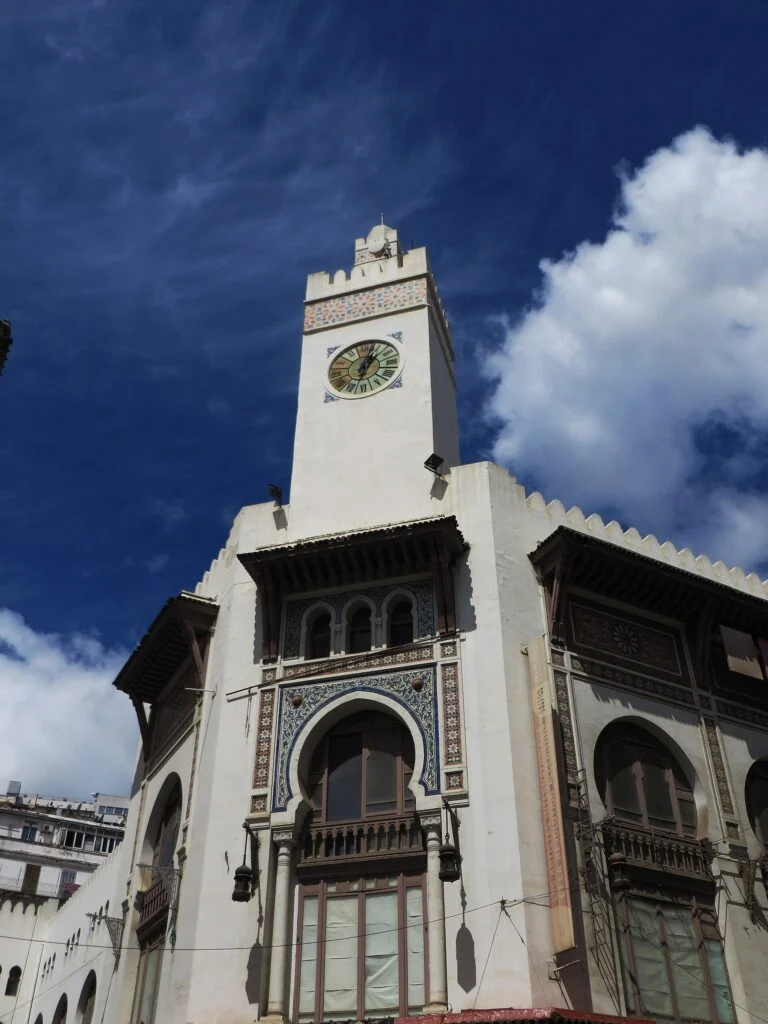
Best forArt lovers, visual culture, architecture
Setting / nearbyAlgiers, Algeria
Overview
The Museum of Modern Art of Algiers (MAMA) stands out in Algeria as a dedicated space for modern and contemporary art from both national and international perspectives. Unlike general art museums that might focus broadly on traditional or historical works, MAMA concentrates on 20th and 21st-century creations, reflecting the evolving dialogues within Algeria and beyond. As the leading institution of its kind in Algiers, it provides a platform where artistic movements intersect with post-colonial realities, offering insights into a variety of creative responses to modernity, identity, and cultural change.
Collection Highlights
MAMA’s collection spans a wide range of modern and contemporary works, with a strong emphasis on Algerian and North African artists, complemented by pieces from Europe and other parts of the world. The museum holds paintings, sculptures, installations, and mixed media works that trace key artistic developments over the last century.
Within the collection, one can encounter works related to the Algerian War of Independence and its aftermath, such as paintings that address national identity and memory. Photography and graphic arts reflecting social and political themes also feature prominently. Some exhibits engage with traditional North African cultural elements, reinterpreted through contemporary artistic techniques.
The museum includes works by significant Algerian modernists as well as emerging contemporary artists. While it does not focus on a single artist’s oeuvre, it gathers diverse voices and styles that reveal the region’s artistic evolution. This combination allows a visitor to track shifts in aesthetic approaches, from figurative to abstract, as well as the incorporation of experimental and conceptual forms.
Building and Setting
The Museum of Modern Art of Algiers occupies a building adapted from an earlier structure, originally serving a different function. This gives the museum’s architecture a mix of historical and modern elements, visibly marking the city’s layered history. Located in Algiers, a city with a complex urban fabric shaped by Ottoman, French colonial, and post-independence layers, the museum’s site situates it near both older quarters and the more institutional parts of the city.
The building itself combines practical gallery spaces with areas for temporary exhibitions and cultural events. The museum’s interior supports its collection by providing neutral, well-lit rooms that can accommodate both large-scale works and smaller, more intimate pieces. The layout is designed to encourage visitors to move from one chronological or thematic section to another, though specifics about the exhibition design are not widely detailed.
Practical Information
Visitors planning a trip to the Museum of Modern Art of Algiers should consult the official website for the latest information on opening hours, ticketing arrangements, and available tours or educational programs. Given the museum’s location in the Algerian capital, public transportation and taxis are common ways to reach it, but details about parking or accessibility features are best checked in advance.
Languages spoken by staff and the availability of interpretive materials may vary, so prospective visitors interested in deeper contextual information should inquire beforehand. Policies regarding photography or special group bookings are also outlined on the official site.
Why Visit
The Museum of Modern Art of Algiers is well suited for those curious about how modern and recent art reflects and influences Algerian society and identity. Its main strength lies in its focused collection, balancing local context with broader modernist and contemporary trends. This offers a concrete sense of how Algerian artists engage with issues such as colonial history, social change, and cultural memory.
The museum does not concentrate exclusively on blockbuster exhibitions or the most internationally celebrated names. Instead, it brings forward a regional viewpoint often overlooked by larger, Western-centered modern art institutions. This approach means visitors can expect works that speak to Algeria’s particular historical experience and artistic responses, rather than familiar international line-ups.
One limitation is that the museum’s relatively specialized focus might feel narrow for those looking for a broader overview of world modern art or non-visual disciplines. The collection and exhibitions are primarily visual and do not extend extensively into related fields like design, architecture, or performance. Still, for anyone interested in post-colonial modernism or contemporary Maghrebi art, MAMA offers a concentrated and useful experience.
In sum, the Museum of Modern Art of Algiers serves as a valuable reference point for understanding the interplay between Algeria’s 20th- and 21st-century art and its historical and social contexts. Those invested in the artistic expressions of this region will find its commitment to modernity grounded in Algerian realities both instructive and revealing.
Before visiting, readers should check the museum’s official website to confirm practical details, including current opening hours and visitor services.