Macao Museum of Art Review
Art Museums · Macau, Macau. The Macao Museum of Art stands as a distinct presence in Macau’s cultural landscape, shaped by the city's unique historical crossroads between East and West. Macau’s turbulent history as a former Portuguese colony and…
Art Museums · Macau, Macau. The Macao Museum of Art stands as a distinct presence in Macau’s cultural landscape, shaped by the city's unique historical crossroads between East and West. Macau’s turbulent history as a former Portuguese colony and…
Best forArt lovers, visual culture, architecture
Review focusCollections, curatorial focus, and visitor planning
Context and Identity
The Macao Museum of Art stands as a distinct presence in Macau’s cultural landscape, shaped by the city's unique historical crossroads between East and West. Macau’s turbulent history as a former Portuguese colony and its reversion to Chinese sovereignty forms an essential backdrop for understanding this museum’s role and ambitions. Rather than attempting to cover art from every corner of the globe or every historical era, the Macao Museum of Art centers its identity around regional art forms with an emphasis on the integration of Chinese and Lusophone artistic traditions.
This focus echoes Macau’s character as a meeting place between Chinese culture and Portuguese heritage, but it also constrains the museum in a way that demands scrutiny. While it anchors the institution firmly within its locale, this choice arguably limits its comparative scope at a time when transnational dialogues in art are flourishing. The museum frequently balances the display of modern Chinese ink paintings and traditional decorative arts alongside contemporary Portuguese and Macanese works. This diversity within a regional frame gives the Macao Museum of Art a fairly narrow but precise compass, one that can satisfy viewers interested in the specific cultural ripple effects of Macau’s history but may feel specialist or incomplete to those looking for broader Asian or global art narratives.
Inside the Collection
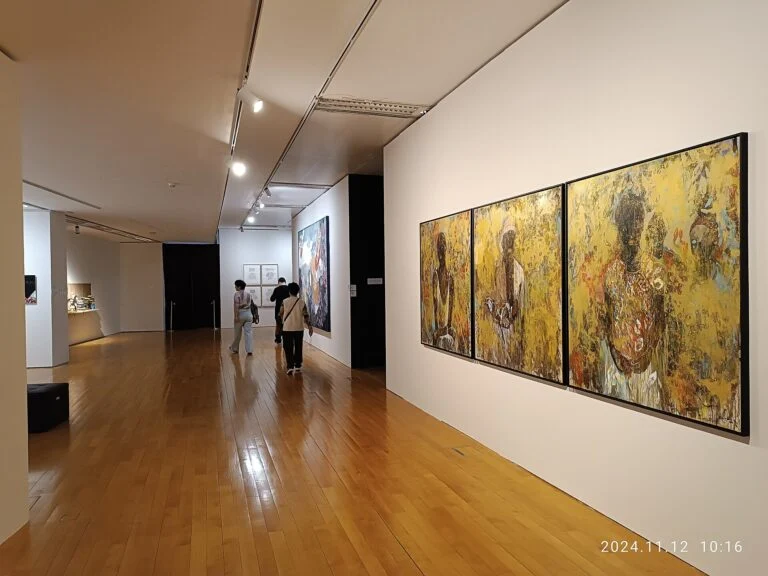
The Macao Museum of Art’s collection encompasses Chinese ink paintings, calligraphy, sculpture, and ceramics alongside Western-style paintings and contemporary installations. The strength here lies in the museum’s handling of Chinese art spanning from Ming and Qing dynasties to present-day works, with particular attention to Southern Chinese traditions that are often overlooked in larger national institutions. The ceramics collection includes notable examples of porcelain produced in Guangdong province, showcasing regional craftsmanship tied to Macau’s trade history.
Modern and contemporary pieces, including works by Macau- and Hong Kong-based artists, appear alongside Portuguese-influenced pieces brought by the city’s colonial legacy. This part of the collection is smaller but significant for its reflection of Macau’s hybrid cultural identity. However, the collection size itself is modest, and the permanent display tends to rotate objects rather than fully exhaust the breadth of holdings. The museum’s curatorial narrative emphasizes artistic exchanges resulting from Macau’s role as a mercantile port, which is an insightful angle but sometimes feels more thematic than deeply contextualized for each work’s individual history or social meaning.
The museum’s temporary exhibitions have occasionally brought in works addressing contemporary social or political themes relevant to Macau’s present, but overall, the permanent collection relies more on traditional forms and was slower to incorporate cutting-edge contemporary art trends from China or the Lusophone world.
Architecture and Display
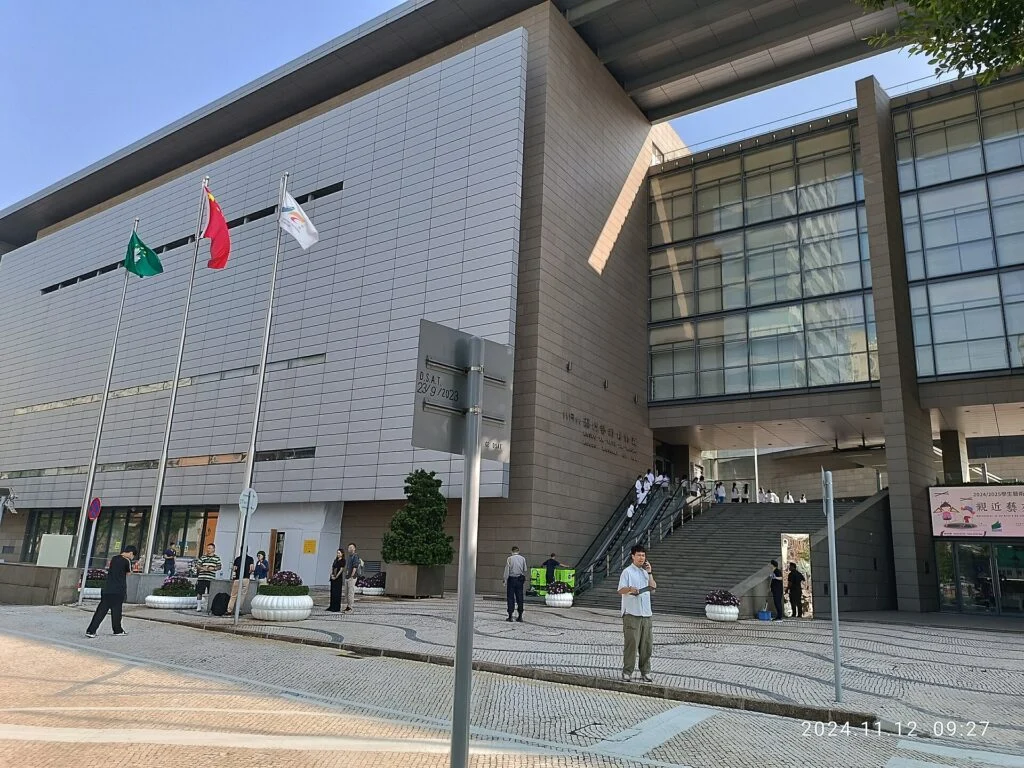
The building housing the Macao Museum of Art is a modern structure located in the central Cultural Centre complex, dating from 1999. Its design is straightforward and functional rather than architecturally adventurous. The museum's interior is organized into galleries spread over several floors, with clean lines and neutral tones intended to direct focus toward the artworks. There is a clarity in circulation that avoids confusing paths, enabling a relatively smooth visitor progression between the different areas arranged according to medium and period.
At the same time, the architecture and display lack distinctive or memorable spatial qualities that might complement the art or enhance the visitor’s imaginative experience. This utilitarian approach means that, though efficient, the museum could do more to stage artworks in ways that resonate with or challenge the visitor. Lighting is adequate but does not stand out for innovative use or sensitivity, sometimes dulling the visual impact of pieces where subtlety of brushwork or material is critical.
Display cases and wall mounts adhere to standard museum practice, ensuring safety and accessibility, but the presentation sometimes feels conservative. There is minimal use of multimedia or interactive elements, which might have helped bridge cultural or historical gaps particularly for artworks demanding contextual explanation. Thus, the environment fulfills a basic curatorial function without actively contributing to a distinctive encounter with the collection.
For Families, Specialists, and First-Time Visitors
Visitors with a background in Chinese art, ceramic studies, or Lusophone cultural history will find aspects of the Macao Museum of Art rewarding, though the depth of specialist content is variable. The emphasis on regional modern and traditional art makes it a useful site for researchers focusing on Macau’s position within broader artistic networks in East Asia and the Portuguese-speaking world.
However, the interpretive material for general audiences and newcomers is somewhat limited in scope and detail. Without extensive contextual labels or engaging multimedia guides, first-time visitors may find it challenging to grasp why particular works matter within Macau’s cross-cultural story or how they connect to current artistic dialogues. The museum's current approach assumes a level of prior basic knowledge or curiosity about Macau’s hybrid culture that casual visitors may lack.
Family visits are supported primarily by straightforward, child-friendly spaces and events but without targeted programming that strongly connects kids to the collections on their own terms. This suggests that while the museum can accommodate various audience types, it has not yet fully developed distinctive outreach or educational practices to expand its reach beyond its natural core of art enthusiasts and regional specialists.
What Works Best
The Macao Museum of Art finds its strength in presenting regional Chinese art, especially in brush painting, calligraphy, and ceramics from Guangdong and Macau’s cultural orbit, with a credible historical sweep from traditional forms to the present. This focus shapes the museum’s identity in an area where other institutions may adopt more fragmented or eclectic collections.
Its willingness to include contemporary Macanese and Portuguese-influenced art offers a layer of complexity to the museum’s narrative about identity and exchange. This aspect allows for recognizing Macau’s unique cultural hybridity rather than simply reiterating established national or ethnic artistic histories.
At the same time, the museum’s curated thematics around trade, migration, and hybrid cultural forms make the collection feel conceptually organized rather than random, giving visitors a coherent thread through the galleries. This coherence aids understanding and distinguishes the Macao Museum of Art from more general municipal museums that sometimes lack a defining lens.
Practical Considerations
Visitors interested in exploring the Macao Museum of Art should verify current details via the official website, as information around opening hours, ticket costs, admission policies, and available tours has not been comprehensively confirmed here. The building’s central location within Macau’s Cultural Centre makes it accessible by public transport and close to other attractions, situating it well within a cultural visit itinerary.
Accessibility provisions, including facilities for visitors with disabilities, are standard for modern museums in the region but would benefit from confirmation before planning a visit. Given the museum’s modest scale, crowds are unlikely to present a major issue even during peak periods.
The museum’s benches and rest areas are adequate but not emphasized, reflecting a design prioritizing efficient viewing over extended stays. For those coming with families or groups, preliminary research regarding programming, interactive exhibits, or educational offerings would help manage expectations, as these features are not prominent.
Verdict
The Macao Museum of Art distinguishes itself through an earnest dedication to representing Macau’s layered cultural heritage without overreaching into a wider or more diverse art field. Its collection focuses on bridging Chinese and Portuguese artistic traditions, offering valuable insights into regional art forms tied to a specific historical experience. This focus brings clarity and coherence at the cost of breadth or contemporary boldness.
While the architecture and display do not enhance the collection with memorable or innovative design features, they adequately support a clear presentation of the museum’s core themes. The absence of extensive digital interpretation or interactive elements might limit the museum’s appeal to casual visitors unfamiliar with Macau’s art history, but the collection remains solid for those interested in the city’s cultural hybridity and historical artistic exchanges.
In short, the Macao Museum of Art deserves recognition for its clear curatorial voice and regional specificity, serving as a measured cultural anchor within Macau’s fast-evolving environment. Though it lacks the scale and spectacle of larger art institutions, it addresses a meaningful niche with enough depth to warrant attention from scholars and regional cultural enthusiasts alike.