National Museum of Tajikistan Review
Dushanbe, Tajikistan. The National Museum of Tajikistan in Dushanbe stands out primarily for its comprehensive approach to showcasing the country’s deep and often overlooked historical and cultural roots. Unlike many national museums that tend to spread…
Dushanbe, Tajikistan. The National Museum of Tajikistan in Dushanbe stands out primarily for its comprehensive approach to showcasing the country’s deep and often overlooked historical and cultural roots. Unlike many national museums that tend to spread…
Best forMuseum lovers, culture travelers, first-time visitors
Review focusCollections, visitor experience, and practical planning
What Sets It Apart
The National Museum of Tajikistan in Dushanbe stands out primarily for its comprehensive approach to showcasing the country’s deep and often overlooked historical and cultural roots. Unlike many national museums that tend to spread their scope more thinly across global art or natural history, this institution commits to chronicling Tajikistan’s unique narrative as the crossroads of ancient civilizations along the Silk Road. It distinctly foregrounds the local archaeological heritage and ethnographic traditions in a way that firmly anchors the visitor’s understanding of the region’s continuity from antiquity through the present day.
The museum’s emphasis on Tajikistan’s Persian cultural lineage mixed with Central Asian nomadic influences underscores a specificity that sets it apart from broader Eurasian museums. Instead of a generic Central Asian panorama, it attempts a nuanced local perspective, which helps illuminate the complex identities that have shaped the nation. This focus is not a narrow parochialism but a careful unpacking of a history that few Western or regional museums address in any depth.
Collection Depth and Significance
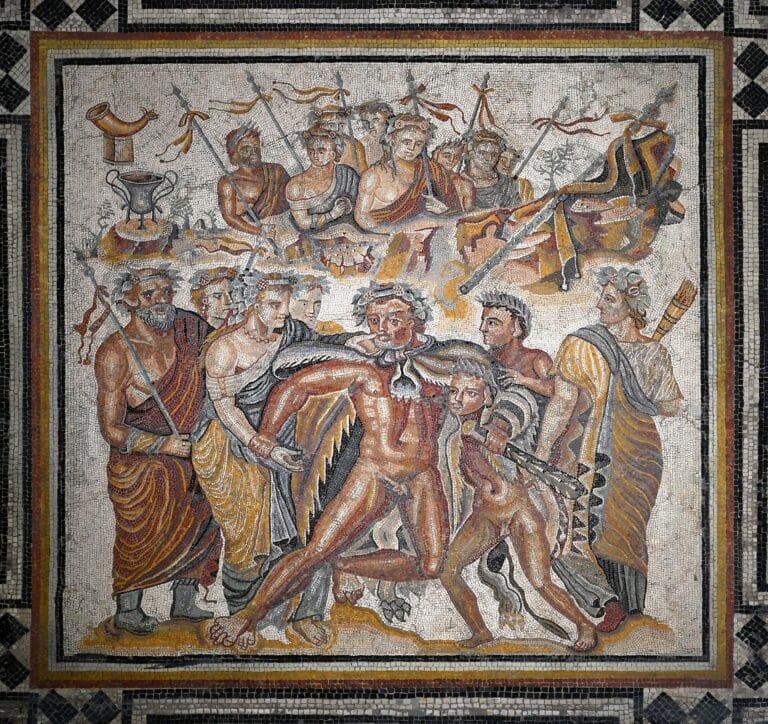
The collection’s backbone lies in its archaeological holdings, which are extensive and carefully curated. Objects from the Bronze Age, the famed Bactria-Margiana Archaeological Complex, and artifacts recovered from Sogdian and Kushan sites grant a tangible link to the formative epochs in Central Asian history. The inclusion of numismatic collections, carved ossuaries, and ancient pottery offers critical evidence for the trade and cultural interaction that defined the Silk Road’s local phase.
Beyond archaeology, ethnographic displays provide an intimate look into Tajik traditions, including textiles, jewelry, musical instruments, and household artifacts. These items function as ethnographic documents that portray the everyday lives and social structures of rural Tajiks. While the collection excels in prehistoric and early historic materials, the representation of modern and contemporary art or history is less prominent, which can leave a gap in linking the past to present-day identity challenges.
Some key items, such as Zoroastrian ritual objects or early Islamic manuscripts, highlight Tajikistan’s religious transformations, yet these exhibits sometimes feel overshadowed by the weight of prehistoric materials. This imbalance suggests the museum still leans heavily on archaeological heritage as its main narrative axis rather than a holistic cultural history.
Design, Displays, and Atmosphere
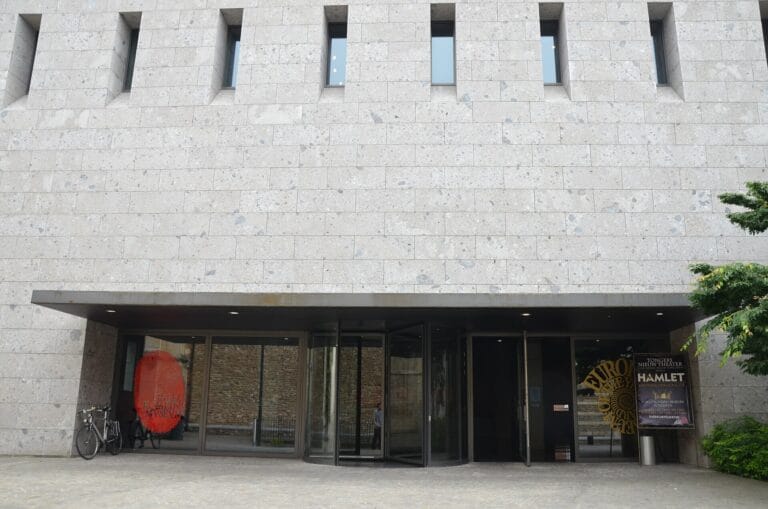
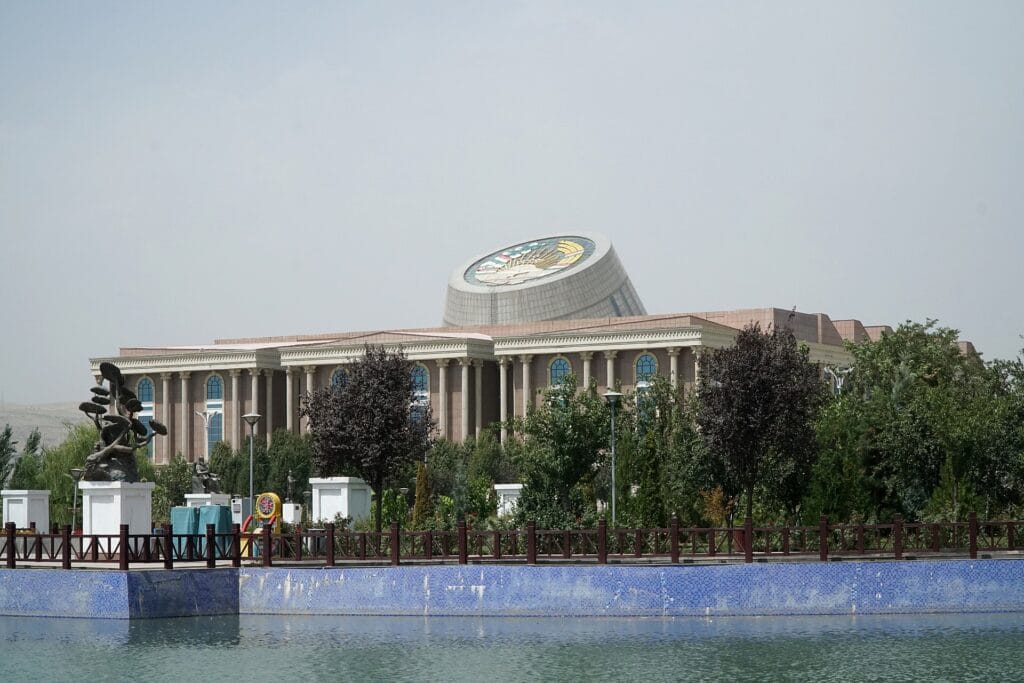
The museum occupies a building that is utilitarian rather than architecturally assertive. Its design is more functional than expressive, reflecting Soviet-era public architecture common to cultural institutions in the region. This might disappoint visitors seeking aesthetic or atmospheric impact through the building itself. However, the interior spaces are organized to prioritize object visibility and chronological progression, which benefits clarity and understanding over spectacle.
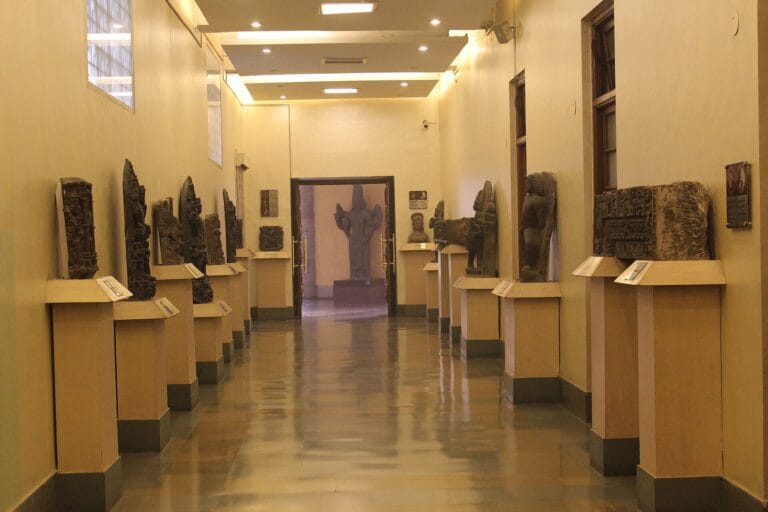
Within the galleries, display cases emphasize security and preservation but at times may hinder close inspection of smaller artifacts. Wall texts and labels are available mainly in Tajik and Russian; limited English translation restricts accessibility for international visitors and suggests a largely domestic or regional audience focus. The lighting is adequate but varies in effectiveness, with some shadowed areas affecting artifact visibility.
Interpretative materials tend to be factual and descriptive rather than analytical or thematic. This straightforward presentation suits specialists or those with prior knowledge but may challenge casual visitors seeking engaging narratives. The overall atmosphere is quiet and scholarly rather than bustling or theatrical, encouraging thoughtful reflection rather than sensory stimulation.
A Visit for Different Audiences
The museum has clear strengths for those interested in archaeology, Central Asian studies, and ethnography. Scholars or students focusing on early Silk Road cultures will find rare primary objects and comprehensive typologies that are hard to access elsewhere. The ethnographic collection’s close attention to Tajik material culture could prove valuable for anthropologists or historians studying cultural persistence and change in Central Asia.
However, casual tourists without background knowledge may find parts of the museum hard to navigate or the exhibits dense without more interpretive guidance. Limited English signage and sparse multimedia elements reduce the museum’s reach beyond academic or regional visitors. Moreover, those with an interest in contemporary Tajik art or history will detect a notable absence, signaling a narrower thematic scope.
Families and children might struggle to find interactive or visually engaging content, making the museum less suitable for younger audiences seeking entertainment alongside education. The National Museum’s core audience is better described as serious learners rather than broad public engagement seekers.
The Strongest Reasons to Go
The widest draw here comes from the archaeological collection alone. Items linked to the Bactria-Margiana Archaeological Complex and early Silk Road artifacts provide a rare glimpse into East-West trade routes and cultural syncretism. This museum therefore serves a key role in preserving and presenting material heritage vital to understanding Central Asian antiquity in a way few other institutions match.
The ethnographic displays add a thoughtful layer by demonstrating how ancient identity threads have survived and evolved into modern Tajik social forms. Seeing textiles, jewelry, and traditional instruments in one place allows for a more cohesive appreciation of cultural continuity alongside historical depth.
For serious regional historians and specialists, the museum is an essential reference point. It offers primary artifacts and documentation that supplement archaeological field research and literary history. The scope of its permanent collection secures its place as a core institution in Tajikistan’s cultural landscape.
Planning Notes
Practical information about exhibitions, hours, or admission should be verified through the museum’s official website before planning a visit, as current details may vary. Language accessibility is limited outside Tajik or Russian, so non-speakers should not expect comprehensive English interpretation or multimedia guides.
The museum’s less ornamental building and straightforward display style suggest that visits could be shorter and more focused on specific galleries, particularly for visitors pressed for time or those with targeted interests. There is no clear evidence of guided tours or family-friendly programming that might extend visitor engagement.
International guests seeking a broader or more interactive experience of Central Asia’s culture might supplement their visit with related institutions in the region or cities like Samarkand or Bukhara, where Silk Road heritage is presented with more multimedia and architectural spectacle.
Editorial Conclusion
The National Museum of Tajikistan is defined by its concentrated commitment to archaeologically rooted history and ethnography of the Tajik people. It offers depth unmatched in the region for those seriously studying the ancient Silk Road cultures and the tangible legacies of early Central Asian civilizations. Although it does not capture the full sweep of Tajik cultural life, especially modern developments, its curated objects form a vital archive that roots identity in artifacts and everyday material culture.
The museum’s functional building and limited English interpretation confine its appeal primarily to regional visitors and specialists familiar with Central Asian history. For them, the museum is an informative and credible resource; for a general audience, its presentation may feel dense and narrowly focused. This makes it a place for concentrated study rather than broad popular discovery.
In short, the National Museum of Tajikistan will attract those eager to engage with the physical remains of ancient and traditional Tajik culture but is less suited as an accessible introduction to Tajikistan’s contemporary cultural scene. Its value lies in authenticity and scholarly substance rather than visitor spectacle or narrative breadth.