National Museum of Tajikistan
Dushanbe, Tajikistan. The National Museum of Tajikistan in Dushanbe serves as the country’s main repository of archaeological and ethnographic artifacts alongside historical and natural collections. It stands out as a resource for understanding the development of…
Best forMuseum lovers, culture travelers, first-time visitors
Setting / nearbyDushanbe, Tajikistan
Overview
The National Museum of Tajikistan in Dushanbe serves as the country’s main repository of archaeological and ethnographic artifacts alongside historical and natural collections. It stands out as a resource for understanding the development of central Tajikistan and the broader Central Asian region through tangible remains and cultural materials. The museum’s identity centers on reflecting Tajikistan’s diverse past, from prehistoric sites to the Soviet era, organizing objects and documents that trace human activity, traditional crafts, and the landscape’s natural history. Far from a single-themed institution, it combines elements of archaeology, anthropology, history, and natural sciences, supporting a multi-layered narrative of the nation’s cultural and environmental heritage.
Collection Highlights
One of the museum’s primary strengths lies in its archaeological holdings, which include artifacts from some of the oldest known settlements in Tajikistan. Tools, pottery, and ornaments give insight into early human communities and their crafting techniques. Central Asia’s role as a crossroads is evident in items linked to the Silk Road, illustrating trade and cultural exchange with neighboring regions and distant civilizations.
The ethnographic collections document the traditional lifestyles of Tajikistan’s many ethnic groups. Items such as textiles, musical instruments, clothing, and household objects shed light on social customs, daily life, and artisanal practices. These exhibits portray village and nomadic cultures, demonstrating a variety of material culture shaped by geography, climate, and history.
Historical exhibits cover the period from the medieval era through the Russian Empire into Soviet times, featuring documents, photographs, currency, and military paraphernalia. This section shows transformations in governance, economy, and society, exposing the layers of political history that have influenced the national identity.
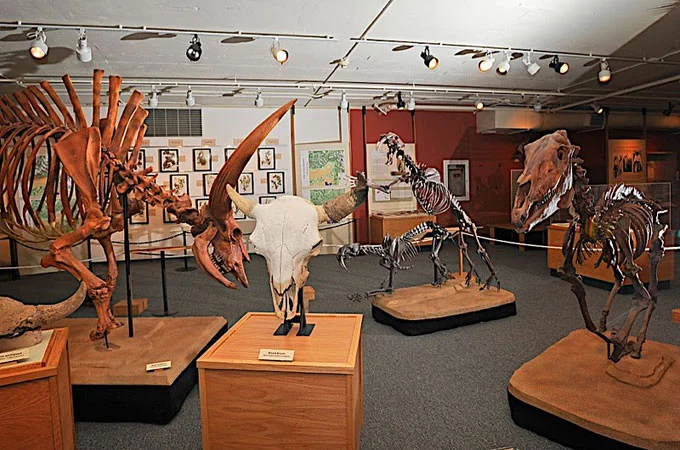
Complementing the human history sections, the museum features natural history displays including minerals, fossils, and specimens of the local flora and fauna. These collections provide context for the environmental aspects of Tajikistan’s mountainous terrain and biodiversity in relation to human settlement and activity.
Building and Setting
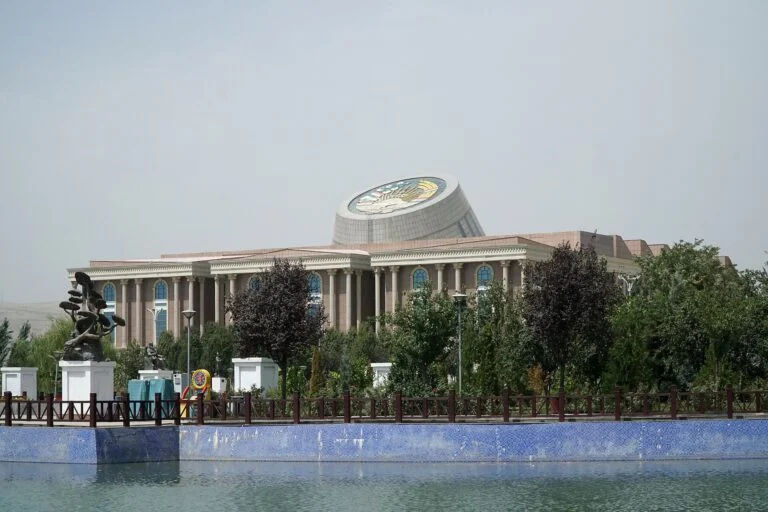
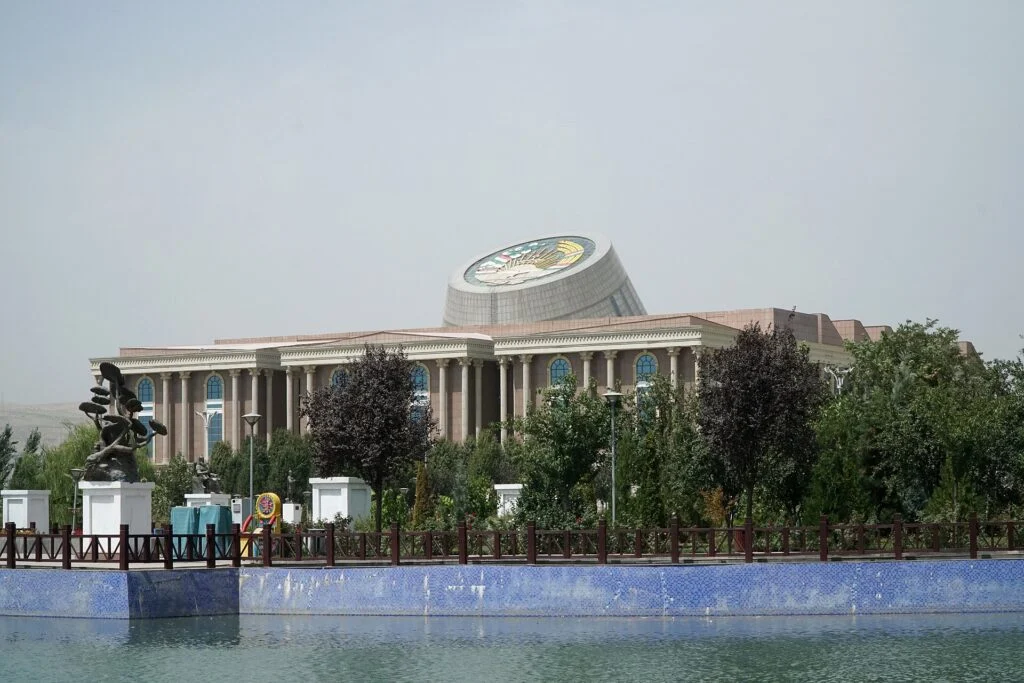
The National Museum occupies a building that reflects Soviet-era architectural principles, commonly found in the capitals of Central Asian republics. While precise details on the building’s architectural history are not widely detailed, its structure typically emphasizes functionality and monumentality. The museum’s location in Dushanbe places it within the city’s administrative and cultural district, making it accessible from other significant institutions in the capital.
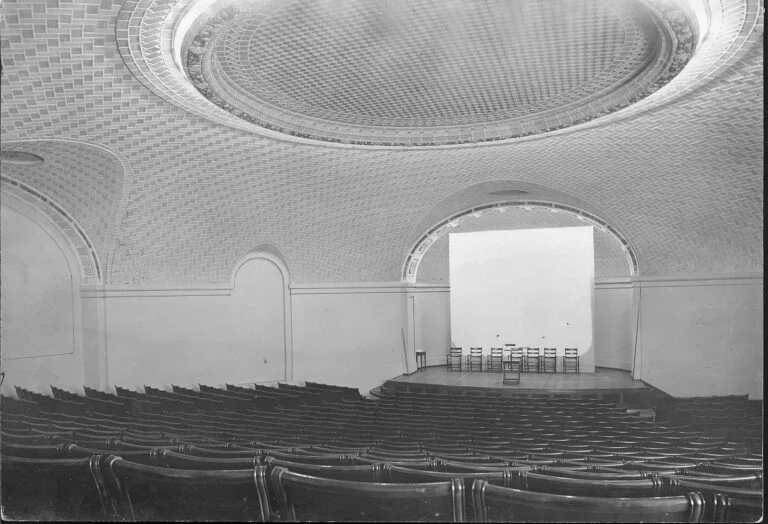
The building’s interior consists of several galleries arranged to accommodate the different disciplinary focuses, allowing a sequential or thematic approach to visiting. The spatial design reflects mid-20th-century museological norms, prioritizing display cases and clear lighting but fewer interactive or multimedia features than more recent museums.
Practical Information
Up-to-date visiting hours, admission fees, and tour options should be checked on the museum’s official website, as these details can change. The website also provides the latest information on temporary exhibitions or special events. Information on accessibility for visitors with mobility needs is not broadly published, so those requiring assistance might inquire ahead of time. The museum is centrally located in Dushanbe, reachable by local transportation.
Why Visit
This museum draws its particular interest from the breadth of its coverage rather than an extreme specialization. It allows visitors to connect dots across different fields—archaeology, history, ethnography, and natural history—to form a clearer picture of Tajikistan’s place in regional and world contexts. For people interested in Central Asia’s past and present, it offers concrete materials and documentation over broad narratives.
The inclusion of natural history alongside cultural history can shift the experience from purely anthropological or historical to something that considers human-environment interaction more carefully. On the other hand, those looking for cutting-edge exhibit design or deep focus on international art might find the museum’s style and collections comparatively conventional.
The museum is worth visiting if your interest lies in the tangible story of how a nation inhabits its space and evolves through time. It lays out a landscape of human culture shaped by geography and history in a way that helps frame Tajikistan’s distinctive role in Central Asia. Checking current visitor information before planning a trip is advisable to ensure the museum fits your itinerary and expectations.