History Museum of Bosnia and Herzegovina Review
History Museums · Sarajevo, Bosnia and Herzegovina. The History Museum of Bosnia and Herzegovina occupies a particular position in Sarajevo, a city layered with centuries of cultural complexity and recent history shaped by violent conflict. Founded in 1945, the museum’s focus…
History Museums · Sarajevo, Bosnia and Herzegovina. The History Museum of Bosnia and Herzegovina occupies a particular position in Sarajevo, a city layered with centuries of cultural complexity and recent history shaped by violent conflict. Founded in 1945, the museum’s focus…
Best forHistory lovers, cultural travelers, local heritage
Review focusHistorical collections, local context, and visitor planning
The Museum in Context
The History Museum of Bosnia and Herzegovina occupies a particular position in Sarajevo, a city layered with centuries of cultural complexity and recent history shaped by violent conflict. Founded in 1945, the museum’s focus reflects the turbulent past of the country with a strong emphasis on the 20th century, especially the Yugoslav and post-Yugoslav eras. It does not try to be a comprehensive repository of Bosnian history from antiquity to the present; instead, it aims to document the national experience with attention to identity, political change, and the lived realities of war and reconstruction.
This is not a neutral museum in the traditional sense. Given Bosnia and Herzegovina’s complicated ethnic and political landscape, the museum’s narrative inevitably engages with contested memories and interpretations. Situated in Sarajevo—a city that endured a four-year siege during the 1990s war—the institution carries the burden of shaping public understanding of events still vivid in public memory. Its strength lies largely in confronting how modern history has reshaped this diverse society rather than presenting an overarching historical summary.
Collections Worth Understanding
The heart of the museum’s collection focuses on the 20th century and the recent Yugoslav and Bosnian wars. Documentation includes wartime artifacts, photographs, official documents, and recorded testimonies. These form a detailed archive concerning Bosnian political history, the Holocaust in Bosnia, and the ethnic conflicts of the 1990s. The inclusion of wartime weapons, propaganda materials, and survivor testimonies allows the institution to present a concrete picture of the interaction between everyday lives and political upheaval.
Additionally, permanent displays dedicate room to Bosnian cultural heritage, including traditional costumes, folk art, and everyday objects from rural life. This highlights the diversity within Bosnia’s ethnic groups and provides context for the national history intertwined with regional customs and traditions. However, the pre-20th-century material remains relatively modest, reflecting the museum’s choice to concentrate where it has most expertise and relevance.
There is also a noteworthy photographic archive chronicling Sarajevo’s life before, during, and after the siege, serving as a visual record that captures the social fabric alongside the violence. For anyone investigating Bosnian history in the modern era, these collections deliver material grounded in both intimate human experience and political history.
Presentation and Storytelling
The museum’s approach to interpretation combines traditional display cases with documentary installations. Most exhibits deliver factual information supported by photographs and objects without venturing into abstract analysis or philosophical reflection. This straightforward style suits the complex, often painful subjects presented; it avoids sensationalism and respects the gravity of recent history.
The storytelling tends to be chronological, tracing the shifting political landscape of Bosnia and the varied experiences of its citizens. The curatorial approach maintains a clear focus on key historical moments: the Austro-Hungarian period, both World Wars, socialist Yugoslavia, and the violent dissolution of Yugoslavia culminating in the 1990s conflict. The latter is treated with evident care, balancing the desire to document the horrors of war while safeguarding against inflaming ethnic divisions.
Interpretation is provided mostly through bilingual signage in Bosnian and English, allowing international readership but may lack deeper contextual analysis for non-specialists unfamiliar with regional history. The museum’s choices avoid excessive explanation or theorising, presenting facts and letting the visitor grapple with complexity independently.
The Experience on the Ground
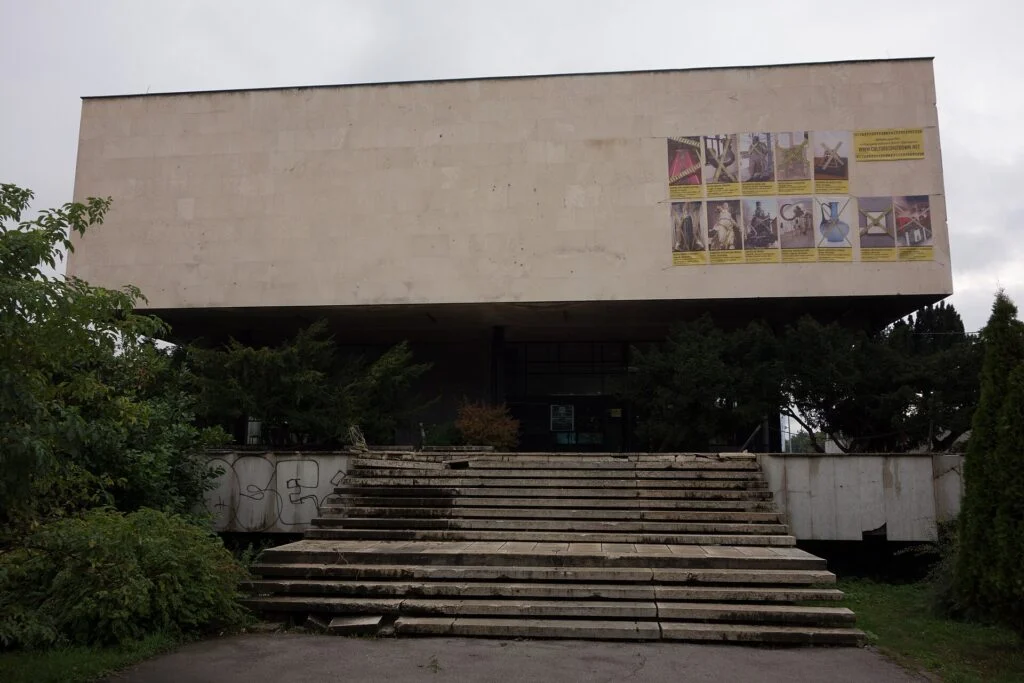
Details on visitor experience point to an institution concentrating on content rather than visitor amenities. The building itself, located centrally in Sarajevo, dates back to the mid-20th century and is functional rather than architecturally memorable. Exhibition spaces serve their purpose without theatricality or digital enhancements.
The layout generally appears straightforward, although some accounts suggest the space can feel cramped, especially in areas with extensive collections related to the siege and war. Lighting and signage, while adequate, do not stand out for innovation or design flair. The atmosphere is serious and reflective, which aligns with the gravity of the subject matter on display but may not invite prolonged leisurely visits.
Information on guided tours or audio guides is not prominently available, implying this museum may be best suited for visitors prepared with some background knowledge. The absence of more elaborate interpretative tools may limit engagement for those unfamiliar with Balkan history.
Where the Museum Excels
The museum excels in presenting documentary evidence of Bosnia’s 20th-century turmoil with a focus on personal stories within larger historical frameworks. Its archival material related to the siege of Sarajevo and wartime experiences offers insights unavailable elsewhere in the region. The photographic collections and direct testimony form an important resource for researchers or those interested in the fine details of conflict and social change.
Its regional and temporal precision means the institution avoids the pitfalls of museums that try to cover too much history too thinly. Instead, the History Museum provides a solid foundation for understanding Bosnia’s modern political and social identity. Its presentation avoids dramatization and encourages visitors to confront difficult histories with respect.
The museum’s bilingual approach also facilitates access for foreign scholars or tourists with some interest in Balkan history, presenting material in a way that respects its complexity without diluting the content to appease casual visitors.
What to Know Before Visiting
Practical information about the museum is best obtained from the official channels, as operational details may change over time. The museum does not appear to have extensive public facilities or services, meaning that visitors should plan accordingly in terms of time and expectations. The focus on serious and often somber history means the experience is not designed for light or family-oriented visits.
Given Sarajevo’s political and cultural complexity, understanding the museum's context before visiting will help. This includes familiarity with key events such as the Siege of Sarajevo and the breakup of Yugoslavia, as these topics dominate much of the content. Visitors without prior knowledge might find the depth of available documentation intense but informative.
It also appears important to verify visiting hours and ticketing arrangements directly, as details about discounts, group visits, accessibility provisions, or tours are not widely publicised.
Our View
The History Museum of Bosnia and Herzegovina provides a focused examination of a country’s modern history marked by conflict and transformation. Its specialised collection concentrated on the 20th century offers a level of detail and documentary richness rare in many regional museums. For serious students of Balkan history, this focus is an advantage, providing primary materials and narratives often hard to access elsewhere.
By grounding itself firmly in documentary evidence and testimony, the museum resists easy nationalistic readings and confronts the complexities of Bosnia’s multi-ethnic society and recent turmoil. That said, the museum’s approach leans heavily toward presenting materials rather than fully interpreting them for a broad audience. Its appeal may therefore be greatest to visitors with existing background knowledge or particular interest in post-war and late 20th-century Bosnian history.
The modest scale of the institution, its straightforward presentation, and functional premises reflect its specific mission, though these factors may limit its appeal to visitors seeking immersive or broadly educational museum experiences. In sum, this museum is a detailed, matter-of-fact source on Bosnia’s troubled modern history, worthy of engagement for those prepared to delve beyond surface-level narratives.