War Childhood Museum Review
Military Museums · Sarajevo, Bosnia and Herzegovina. The War Childhood Museum in Sarajevo, Bosnia and Herzegovina, stands as a poignant testament to the experiences of children during wartime. Established to preserve and communicate the personal narratives of those who lived thr…
Military Museums · Sarajevo, Bosnia and Herzegovina. The War Childhood Museum in Sarajevo, Bosnia and Herzegovina, stands as a poignant testament to the experiences of children during wartime. Established to preserve and communicate the personal narratives of those who lived thr…
Best forCollections, cultural history, visitor experience
Review focusMilitary collections, historic context, and visitor planning
Historical Context
The War Childhood Museum in Sarajevo, Bosnia and Herzegovina, stands as a poignant testament to the experiences of children during wartime. Established to preserve and communicate the personal narratives of those who lived through the Bosnian War in the 1990s, this institution occupies a vital place in the landscape of contemporary memory and conflict studies. The Bosnian War, marked by siege, ethnic conflict, and widespread suffering, deeply impacted the civilian population, with children often bearing the brunt of the trauma. The museum’s mission is to shed light on these formative yet harrowing experiences, providing a platform for voices that are frequently marginalized in traditional historical accounts. By focusing on childhood, the museum offers a unique lens through which visitors can understand the human consequences of war beyond statistics and political narratives. This contextualization enriches the broader discourse on war, resilience, and recovery in post-conflict societies.
What You See on Arrival
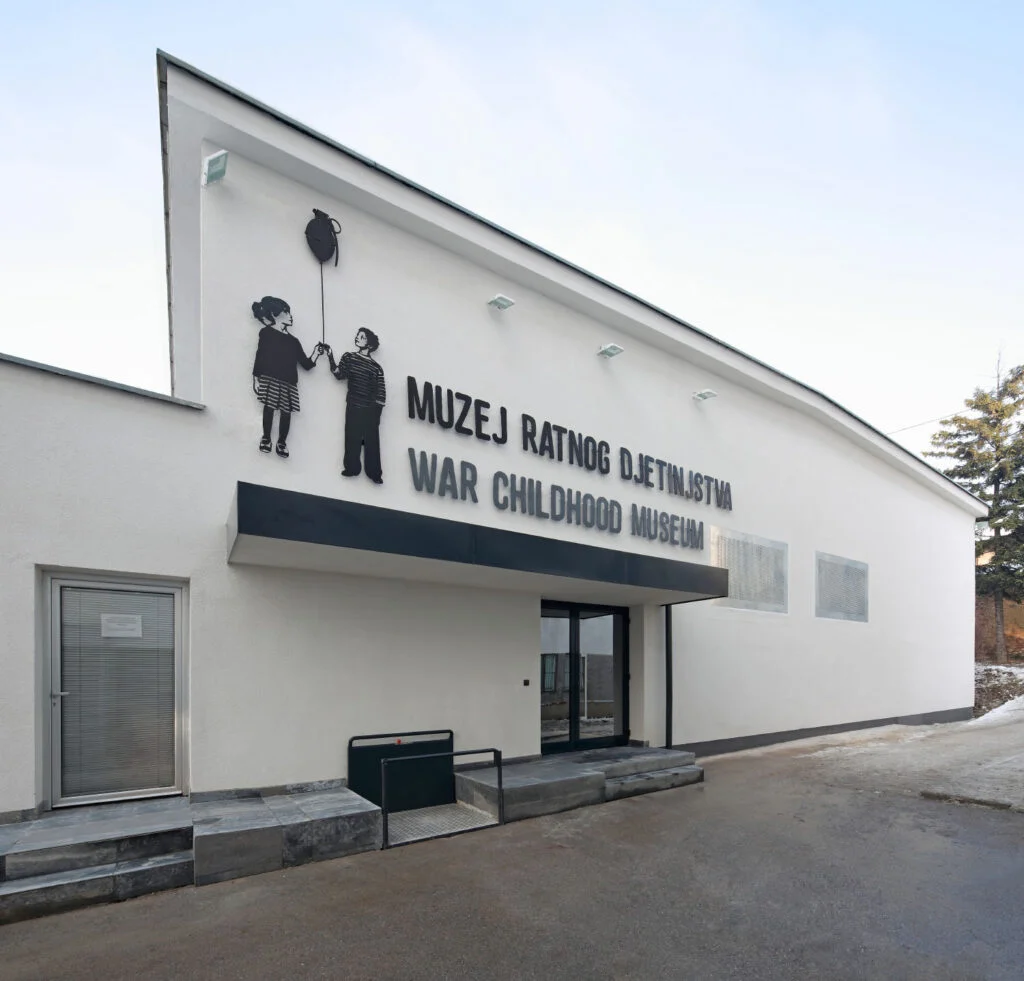
Upon approaching the War Childhood Museum, visitors are met with a modest and unassuming exterior, an architectural choice reflecting the intimate and personal nature of its contents. The building itself is housed in a residential-style structure, which immediately suggests the domestic scale and intimate stories it contains. This contrasts with the often grandiose or institutional facades typical of many war museums, gently preparing visitors for a reflective and immersive experience rather than a purely educational or celebratory one.
Inside, the reception area is simple and warm, creating an inviting atmosphere that encourages contemplation from the outset. The layout is thoughtfully curated with clear signage guiding visitors through the museum’s various sections. The space avoids overwhelming crowds and emphasizes a quiet respect for the sensitive materials on display. The surrounding neighborhood, a part of Sarajevo deeply affected during the conflict, further situates the museum within the lived geography of the war, enhancing the visitor’s emotional connection to the subject matter.
Highlights and Key Exhibitions
At the core of the War Childhood Museum’s appeal is its collection of deeply personal artifacts, testimonies, photographs, and interactive installations documenting the lives of children caught in conflict. One of the most striking components is the use of first-person stories gathered through interviews with survivors, which are integrated throughout the exhibits. These narratives bring a raw authenticity, providing nuanced insights into the multifaceted impacts of war on childhood — ranging from fear and loss to resilience and hope.
Among the museum’s highlights is a poignant display of objects donated by former child victims, including school bags, drawings, toys, and letters. These items, seemingly ordinary in another context, gain profound significance when accompanied by their owners’ heartbreaking stories. This juxtaposition of the familiar and the tragic compels visitors to see beyond abstract history and connect emotionally with individual lives disrupted by conflict.
The museum also features multimedia presentations that offer a dynamic and engaging way to experience these testimonies. These include audio recordings and video interviews, which help to preserve the voices of those who might otherwise remain unheard. The integration of these elements ensures that the experience is not passive; visitors are invited to listen deeply and empathize.
Another key exhibition addresses the theme of memory and post-war recovery, exploring how survivors navigate life after trauma and how societies attempt to reconcile with their pasts. This section situates childhood wartime experiences within broader discussions of justice, reconciliation, and healing, reinforcing the enduring relevance of these stories today.
Visitor Experience
The War Childhood Museum offers a deeply moving visitor experience characterized by emotional engagement, educational depth, and respectful presentation. The careful curation ensures that the exhibits avoid sensationalism or exploitation while still conveying the full weight of the subject matter. Visitors are encouraged to reflect quietly and absorb the stories at their own pace, fostering a contemplative environment.
Staff members are knowledgeable and discreet, providing additional context when requested without imposing on the personal engagement that the museum rightly prioritizes. Audio guides and printed materials supplement the displays effectively, accommodating various visitor preferences for learning styles. The museum’s intimate size means that visits can be intimate and reflective rather than overwhelming, making it ideal for those seeking to understand the human impact of conflict on younger generations.
One notable characteristic of the museum is its commitment to authentic voices and community involvement, evident in the way exhibitions are constructed around real testimonies. This qualitative approach elevates the museum beyond a mere repository of war history and positions it as a living memorial and educational resource for peace and empathy.
Tickets, Access, and Planning
Visiting the War Childhood Museum requires some basic planning but remains accessible to a wide range of visitors. The entrance fee is modest, reflecting the museum’s focus on educational outreach and social impact rather than profit. Tickets can usually be purchased on-site, although checking the official website beforehand for opening hours and any special arrangements is advisable.
The museum is located in a central district of Sarajevo, easily reached by public transportation or on foot from many of the city’s major landmarks. Its proximity to other sites related to the Bosnian War, including memorials and historical locations, makes it suitable for inclusion in a thematic cultural itinerary.
Accessibility features are in place to accommodate visitors with mobility challenges, including ramps and accessible restrooms, though the museum’s intimate and slightly older building structure may present some limitations compared to newly constructed venues. Visitors with specific accessibility needs are encouraged to contact the museum in advance for detailed information.
It is also worth noting that the museum’s content, while profoundly enriching, deals with emotionally heavy themes and may be best suited to mature visitors or those prepared for confronting difficult aspects of recent history. Families with older children and educational groups interested in human rights, history, and peace studies will find the museum particularly relevant and inspiring.
Final Verdict
The War Childhood Museum in Sarajevo is an essential destination for those wishing to deepen their understanding of the human dimension of war, particularly the experiences of children during conflict. Through a carefully balanced presentation that prioritizes personal testimony and authentic artifacts, the museum crafts a narrative that is both emotionally compelling and intellectually enriching. It stands apart from traditional war museums by centering on the voices of the vulnerable, offering a powerful, empathetic perspective on the long-lasting impact of conflict.
While the museum’s intimate size and understated design may not appeal to visitors expecting more extensive or interactive facilities, its strength lies in its authenticity and emotional resonance. It demands thoughtful engagement and offers a unique historical insight that is as relevant globally as it is locally. For anyone serious about exploring the legacies of war in the Balkans or understanding the universal plight of children in wartime, this museum is a must-see.
In an era where the realities of conflict are often mediated through political rhetoric or detached historical analysis, the War Childhood Museum provides a crucial space for remembrance and dialogue. It invites visitors to listen carefully to the stories of resilience amid devastation and reflect on the broader imperative of fostering peace and safeguarding childhood in all parts of the world.