Museum of Socialist Art
Art Museums · Sofia, Bulgaria. The Museum of Socialist Art in Sofia, Bulgaria, presents a distinctive perspective on the country’s recent past through a specialized focus on art and material culture from the socialist era. This small but thoughtfully…
Best forArt lovers, visual culture, architecture
Setting / nearbySofia, Bulgaria
Overview
The Museum of Socialist Art in Sofia, Bulgaria, presents a distinctive perspective on the country’s recent past through a specialized focus on art and material culture from the socialist era. This small but thoughtfully curated institution specializes in the visual and ideological landscape that dominated Bulgaria, and much of Eastern Europe, under socialist rule. Founded as a repository for statues, paintings, and objects that were once ubiquitous in public spaces and government buildings, the museum serves both as a reminder of a politically charged era and as a place for reflection on the complex legacies socialism has left behind.
Unlike many art museums that celebrate artistic innovation detached from their political context, this museum centers on politically motivated art produced under a state ideology that influenced not only subject matter but also artistic style, purpose, and reception. Rather than presenting these objects solely as relics or curiosities, the museum frames them as cultural artefacts that reveal the values, aspirations, and contradictions of a society once driven by Marxist-Leninist ideals. This gives visitors a focused and often provocative lens through which to understand how art was intertwined with power, propaganda, and daily life across several decades.
Collection Highlights
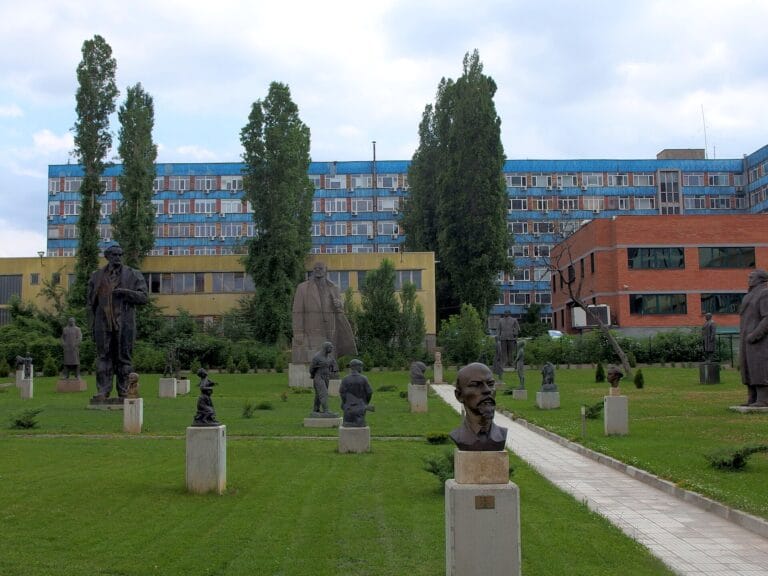
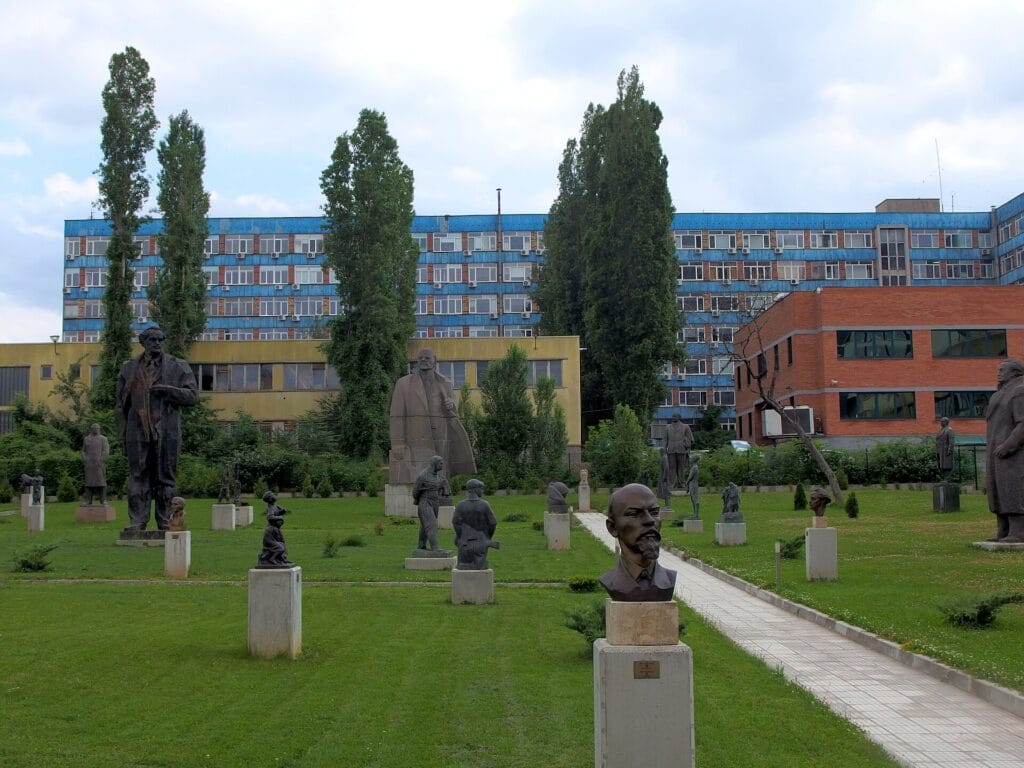
The core of the museum’s collection consists primarily of sculptures, paintings, and graphic works from the socialist period, roughly spanning the mid-20th century until the fall of the communist regime in 1989. Among the most prominent are monumental statues of Lenin, Marx, and other Soviet and Bulgarian communist figures, many of which originally occupied central squares or government edifices. These statues, often crafted in imposing sizes and dramatic styles typical of socialist realism, are displayed alongside official portraits, murals, and banners that once appeared in official state contexts.
Visitors will find a strong emphasis on socialist realist art, characterized by its accessible, figurative style intended to promote socialist ideals and the heroic narratives of workers, farmers, and military heroes. The museum also houses propaganda posters and everyday objects, including badges, pins, and other memorabilia that point to how deeply socialist imagery penetrated society. This mixture of high art and ephemera allows a fuller picture of the period’s visual culture.
The collection’s strength lies in its breadth rather than a concentration on a few masterworks. Rather than focusing on individual artistic innovation, it showcases how art served a political agenda, often at the expense of personal expression. The deliberate typification of workers and leaders, the idealized depictions of industrial and agricultural progress, and the strategic use of symbols like the red star or hammer and sickle are all themes traced through various exhibits. Some visitors may come to appreciate the craftsmanship and technical skill involved, while others might reflect more critically on the ideological context.
The museum does not only present these works as support for ideology; it also opens discussions about censorship, artistic freedom, and the complex emotions linked to this era—ranging from nostalgia to critique. The way the collection is arranged encourages contemplation of the role art plays in shaping collective memory and identity.
Building and Setting
The Museum of Socialist Art is located in Sofia, Bulgaria's capital, where it occupies a venue fitted to house relatively large statues and murals. The setting retains a functional character, avoiding grandiosity and instead offering a fairly straightforward exhibition space that emphasizes the works themselves. Some outdoor sculptures and monuments are displayed on site, providing a sense of scale that can be difficult to convey within typical gallery spaces.
The building’s architecture is modest and not inherently a draw on its own, but it supports the collection’s needs adequately, with arrangements allowing for an unencumbered view of large sculptures and groupings of paintings. The museum is situated in a part of the city accessible enough for visitors, although it may require some planning depending on transportation and the visitor’s base in Sofia.
Practical Information
Official and up-to-date details concerning the museum’s opening hours, ticketing, guided tours, exhibitions, and accessibility should be verified through the Museum of Socialist Art’s official website before planning a visit. Given that the museum deals with politically charged historical material, visitors may wish to check in advance for any temporary closures, special programming, or educational initiatives that could enhance the experience.
The museum’s scale and specialization mean it is best suited to those with a particular interest in 20th-century history, Eastern European politics, or the intersection of art and ideology. It might not be suitable for all visitors seeking a broad survey of Bulgarian art or those expecting a diverse art collection across many periods. Photography policies may vary; visitors should consult the museum's rules on photography or any restrictions on the display of certain works.
Why Visit
The Museum of Socialist Art offers an experience that is distinct from more traditional art museums or historic museums in Bulgaria. It is a measured space for engaging with a difficult chapter of Bulgarian history through its visual culture, without resorting to glorification or outright condemnation. For those interested in how art functions as part of political power or how public spaces have been shaped by ideological narratives, this museum provides concrete examples.
Its collection can help visitors consider the broader cultural impact of political regimes and the ways in which art can both shape and reflect societal values. Unlike narrative-heavy historical museums, this institution relies more on objects and visual materials to communicate that history, which appeals to those who appreciate contemplative, visual learning.
However, it is worth acknowledging that visitors without some background knowledge of Eastern European socialist history may find the political context necessary to fully appreciate the displays is not always provided in great depth. Therefore, this museum works best as part of a wider visit to Sofia’s cultural and historic sites rather than a standalone destination for casual tourists.
In sum, the Museum of Socialist Art in Sofia stands as a focused and sober reminder of an era defined not only by political doctrines but also by the art and symbolism those doctrines produced. It invites visitors to engage with Bulgaria’s socialist past in a way that is visually direct, historically reflective, and open to questions about art’s role in public life.