National Museum and Art Gallery
The National Museum and Art Gallery in Port Moresby, Papua New Guinea, is the country’s principal museum for cultural heritage, archaeology, and.
Best forMasterpieces, architecture, cultural history
Setting / nearbyPort Moresby and occupies a purpose-built site that reflects its role as a national instit
Overview
The National Museum and Art Gallery in Port Moresby, Papua New Guinea, is the country’s principal museum for cultural heritage, archaeology, and historical collections. It functions as both a national repository and a public introduction to one of the most culturally diverse societies in the world. Rather than focusing on a single period or region, the museum brings together carvings, ceremonial objects, masks, canoes, archaeological material, and historical collections that reflect the many communities of Papua New Guinea. For visitors unfamiliar with the country, the museum provides essential orientation by showing how local traditions, material culture, and colonial-era history intersect.
The institution is especially valuable because Papua New Guinea is often approached through broad generalizations about tribal diversity or Pacific culture. The museum corrects that by showing the distinctiveness of regional traditions and by presenting objects as part of social and ceremonial systems rather than as anonymous ethnographic curiosities. This makes the museum important not only as a place of display but as a place of cultural explanation.
History
The museum developed during the twentieth century as Papua New Guinea moved toward a stronger national framework for preserving cultural heritage. Its role expanded as the need grew to care for ceremonial objects, archaeological finds, and historical collections from across the country. Because Papua New Guinea contains hundreds of language groups and strong regional identities, the museum took on the difficult task of representing national history without erasing local difference.
Over time, the institution also became an important center for safeguarding material that might otherwise have been dispersed through private collecting or overseas acquisition. This preservation role remains central to its historical significance. The museum is therefore not only a display space but also part of the wider effort to protect cultural continuity and public memory in an environment where climate, distance, and historical fragmentation can make preservation difficult.
Collection Highlights
The collection includes carved figures, ceremonial masks, drums, shields, canoes, body ornaments, textiles, and archaeological material from different parts of Papua New Guinea. These objects are valuable not simply for their visual impact, but because they reflect highly specific ritual and social traditions. The museum is strongest when it presents objects from different regions in ways that help visitors understand variation rather than assuming a single national style.
Historical collections connected to contact, administration, and colonial periods also add depth. They show how imported systems of government, mission activity, and trade altered daily life and material production. In this way, the museum moves beyond a static image of tradition and shows cultural continuity alongside change. That balance is one of its major strengths.
Building and Location
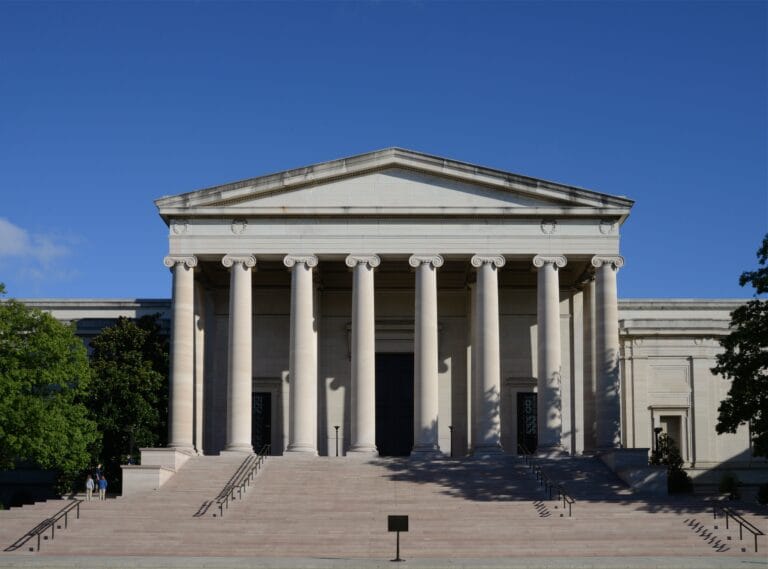
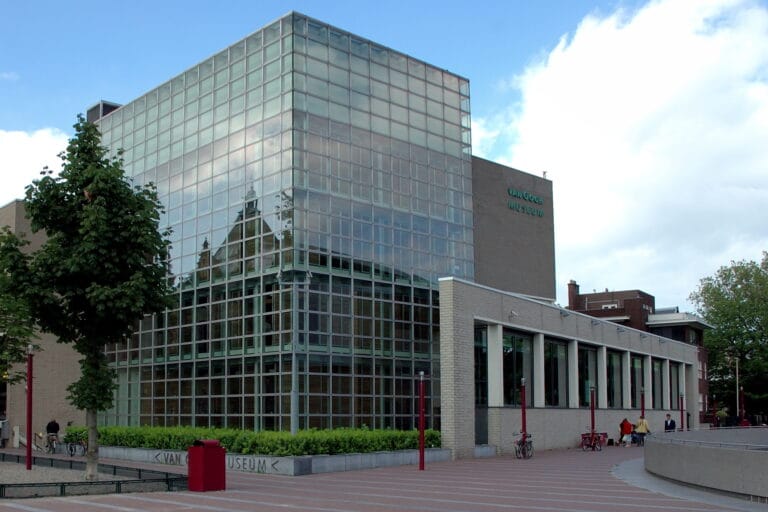
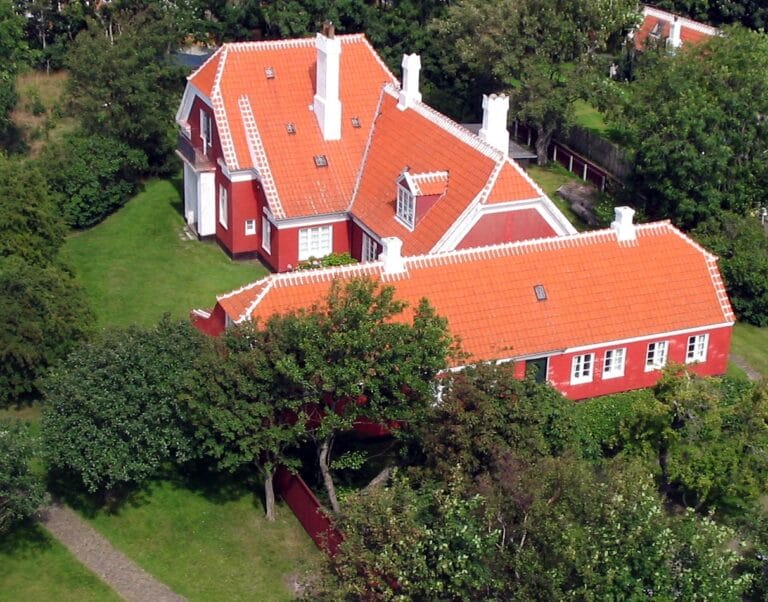
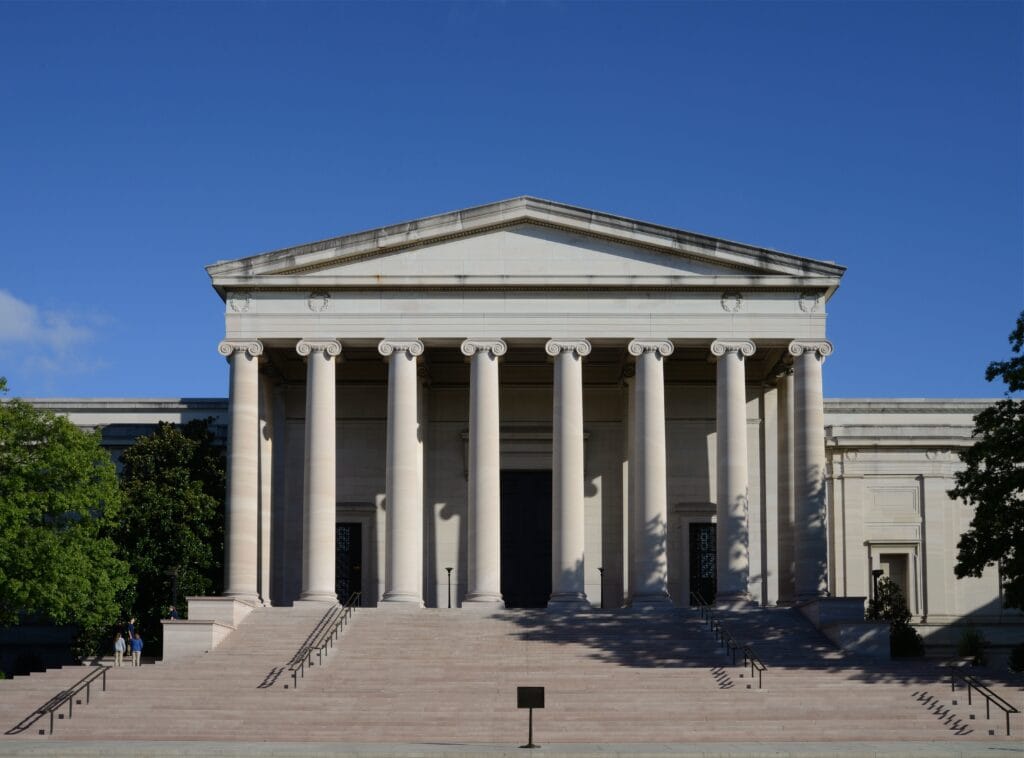
The museum is located in Port Moresby and occupies a purpose-built site that reflects its role as a national institution. The building is practical rather than monumental, but it provides enough space for larger objects such as canoes, sculptural pieces, and grouped displays. Its position in the capital makes it accessible to both local visitors and travelers seeking broader context for the country.
The site also matters symbolically. A national museum in Port Moresby serves as a point where regional traditions, official heritage policy, and public education meet. That makes its location more than a matter of convenience.
Visitor Experience
The visitor experience is generally focused and educational. Displays tend to rely on original objects and explanatory texts rather than theatrical installation, which suits the subject well. Visitors interested in cultural history and material traditions are likely to find the museum especially rewarding, while those expecting a heavily interactive museum may find it more restrained. The strength of the visit lies in the chance to see a broad range of cultural material gathered in one place.
Why Visit
The National Museum and Art Gallery is worth visiting because it offers one of the clearest introductions to Papua New Guinea’s cultural diversity and historical complexity. It provides context that is difficult to gain elsewhere and helps visitors understand the country through original objects rather than simplified descriptions. For anyone interested in Pacific history, indigenous art, or cultural heritage, it is one of the most important museum visits in Papua New Guinea.
Practical Information
Most visitors should allow around one and a half to two hours for a careful visit. The museum is located in Port Moresby and practical arrangements can change, so current opening details should be confirmed before arrival. A museum visit works best early in a trip, since it provides useful background for understanding the country more broadly.
A further strength of the museum is educational balance. It manages to serve children and families without reducing everything to simplified entertainment, and it remains useful for adults who want an actual understanding of the region rather than a quick sequence of attractions. That balance is not easy to achieve in regional institutions, and it helps explain why the museum has such durable appeal. The galleries feel designed for repeated use by local audiences as well as for first-time visitors.