Museum of Modern Art Ljubljana Review
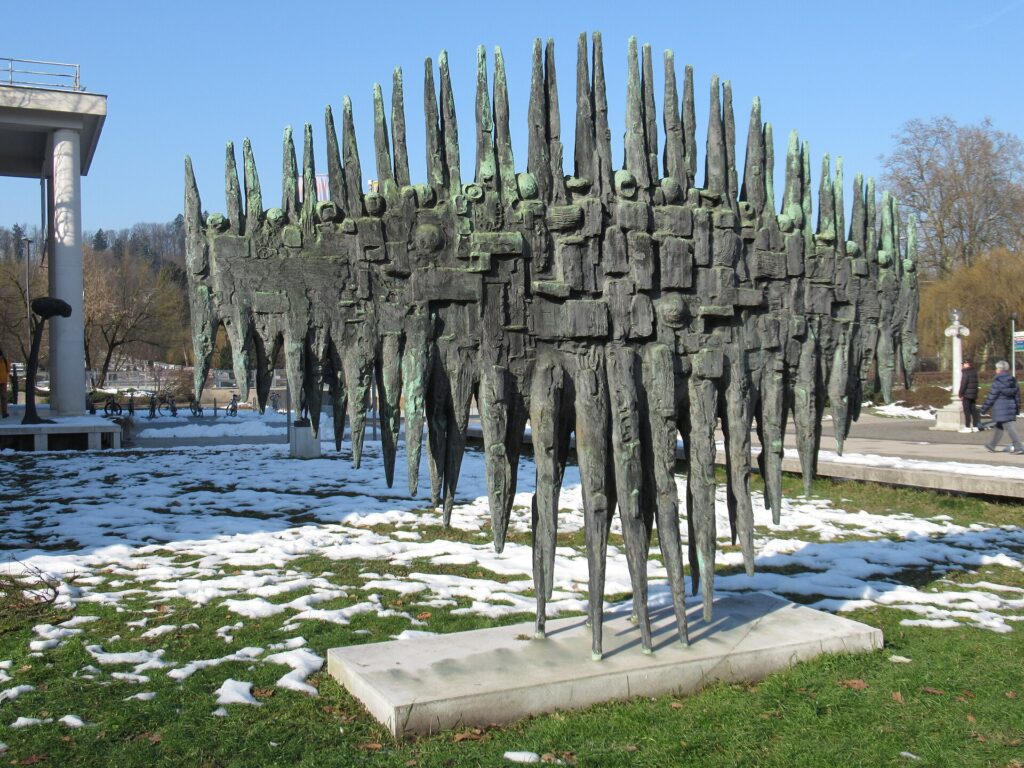
Art Museums · Ljubljana, Slovenia. The Museum of Modern Art Ljubljana occupies a distinct place in Slovenia’s cultural landscape, serving as a focal institution for modern and contemporary art in the country. It is neither a sprawling encyclopedic museum…
Art Museums · Ljubljana, Slovenia. The Museum of Modern Art Ljubljana occupies a distinct place in Slovenia’s cultural landscape, serving as a focal institution for modern and contemporary art in the country. It is neither a sprawling encyclopedic museum…
Best forArt lovers, visual culture, architecture
Review focusCollections, curatorial focus, and visitor planning
A Museum with a Clear Point of View
The Museum of Modern Art Ljubljana occupies a distinct place in Slovenia’s cultural landscape, serving as a focal institution for modern and contemporary art in the country. It is neither a sprawling encyclopedic museum nor a purely commercial gallery space. Instead, it articulates its mission through a well-considered engagement with 20th- and 21st-century art, centring especially on Slovene artists while contextualizing them within broader European and global trends. This focus shapes what visitors encounter: a curatorial stance that privileges artworks as agents of cultural reflection and innovation rather than merely decorative or nostalgic artifacts.
The museum’s programming consistently aligns with this aim, maintaining a dialogue between established figures and emerging practices. There is a deliberate attentiveness to how modernism developed in the Slovenian context, alongside how contemporary art dialogues with that legacy. This results in a museum that is clear about its cultural positioning. It neither dilutes its mission with overly broad historicism nor narrows itself to a showcase of styles but approaches art as an evolving conversation.
What Defines the Collection
At the core of the Museum of Modern Art Ljubljana is a collection spanning roughly from the early 20th century to the present day. The holdings present a narrative of Slovenian art development intertwining with wider European movements such as expressionism, constructivism, and post-war modernism. This national perspective is a critical defining element of the collection. It highlights artists who were influential within Slovenia—figures like Rihard Jakopič, Božidar Jakac, and later generations shifting toward abstract and conceptual formats.
Internationally recognized artists appear more sparingly, usually in relation to their influence on or connection with Slovenian developments. Sculpture, painting, graphic arts, and newer media are all represented, although graphic and printmaking arts have a particularly strong presence, reflecting Slovenia’s rich tradition in these fields.
While comprehensive within its modern scope, the collection does not dwell extensively on classical or early modern art predating the 20th century, nor does it focus heavily on contemporary movements outside Slovenia. This gives it a special, regional authority but may limit appeal for visitors seeking an exhaustive survey of international contemporary art.
Standout Galleries and Themes
Several galleries merit focused attention for how they articulate the museum’s concerns. Dedicated spaces examine the period from the fin de siècle to interwar avant-gardes. These galleries explore the growth of Slovenian modernism in relation to European trends, with well-chosen works that avoid chronological overload and instead allow the visitor to appreciate thematic and stylistic evolutions.
The museum does not shy away from addressing the impact of historical events on art production: the wartime period, the post-war socialist era, and transitional decades of political change. This is not approached with heavy political rhetoric but through the art and artists’ responses, challenges, and innovations.
More contemporary galleries feature multimedia, installations, and experimental work, pointing to ongoing dialogues about identity, politics, and globalisation. These spaces are relatively sparse, reflecting both the museum’s modest size and its cautious acquisition policy, but they provide necessary continuity with the historical holdings.
Pacing, Interpretation, and Atmosphere
The museum’s layout and presentation facilitate a measured pace, allowing detailed viewing without overwhelming. Galleries are generally well-lit with neutral wall colours, letting the art itself command attention. The circulation is straightforward, with a logical progression from earlier to later works.
Interpretive materials strike a balance between textual explanation and visual presentation. Labels are concise, providing necessary artist and artwork information alongside context for the themes addressed. While not extensively multimedia, the museum’s print materials and wall texts do assist in situating the exhibitions without excessive jargon.
Atmospherically, the museum feels contemplative rather than commercial or tourist-heavy. Its location in Ljubljana’s city centre situates it well within the cultural route, yet the museum maintains a relatively quiet environment conducive to reflection rather than distraction.
Strengths and Limitations
Among the main strengths of the Museum of Modern Art Ljubljana are its focused collection and its commitment to Slovenian modern and contemporary art within an international framework. The quality of the holdings in painting and graphic arts is notable, and the exhibition design privileges careful viewing over superficial spectacle.
However, the museum’s moderate size imposes limits on how fully it can represent the diversity of contemporary art globally or within Slovenia. Some audiences might find certain galleries less dynamic due to the predominance of traditional media over newer, more experimental forms. The institution’s emphasis on historical phases occasionally risks feeling somewhat conservative, though this is balanced by periodic shifts in exhibition choices and acquisitions.
Practical challenges include the relative modesty of visitor amenities; while professional, the museum keeps services lean and functional without elaborate extras. Those interested in deep engagement might find a tighter focus on Slovenian art rewarding, but those seeking broad comparative international collections will need to supplement their visit with other institutions.
Before You Go
Anyone planning a visit should consult the official website to verify current opening hours and any admission information. The museum’s location near Ljubljana’s central areas makes it accessible by foot or public transport, but details about parking and accessibility should be confirmed directly. Additionally, while the museum offers guided tours at times, advance booking or inquiry is advisable as these services may be limited.
The museum space is compact but covers a logical chronological and thematic span within its remit, so visitors interested in 20th-century art from this region will find it worthwhile. Those less familiar with Slovenian art might consider supplementing their experience with background reading or a guided introduction when available.
Final Assessment
The Museum of Modern Art Ljubljana presents a concentrated and thoughtful record of Slovenian modernist and contemporary art, filling an important cultural role without overreaching its scope. Its collection and exhibitions are clearly curated with a sense of cultural responsibility and interpretive care, appealing particularly to audiences interested in art’s regional histories and trajectories.
While it does not match the scale or international range of larger modern art museums in capital cities globally, it does not attempt to. Its strengths lie in specificity, clarity of mission, and a quality collection focused on painting, graphic arts, and the intersections of art and society in Slovenia over the last century.
The museum is suited for visitors who appreciate measured, contextualized presentations and who seek to deepen their understanding of Central European cultural developments through art. In short, it offers a substantial, coherent museum experience that remains a cornerstone of Ljubljana’s cultural offerings, albeit one best approached with an awareness of its modest size and specialized scope.