Croatian Museum of Naïve Art Review
Art Museums · Zagreb, Croatia. The Croatian Museum of Naïve Art in Zagreb represents one of the few dedicated institutions in Europe solely focused on the genre of naïve art, often described as a form of self-taught, non-academic creativity…
Art Museums · Zagreb, Croatia. The Croatian Museum of Naïve Art in Zagreb represents one of the few dedicated institutions in Europe solely focused on the genre of naïve art, often described as a form of self-taught, non-academic creativity…
Best forArt lovers, visual culture, architecture
Review focusCollections, curatorial focus, and visitor planning
Purpose, Place, and Perspective
The Croatian Museum of Naïve Art in Zagreb represents one of the few dedicated institutions in Europe solely focused on the genre of naïve art, often described as a form of self-taught, non-academic creativity marked by directness and originality. Established in the latter half of the twentieth century, the museum aims to document, preserve, and present the works of Croatian and international naïve artists, providing a platform for understanding this diverse and sometimes misunderstood branch of visual culture. Unlike museums that concentrate on mainstream or avant-garde modern art, this museum specifically foregrounds expressions rooted in folk traditions and personal vision rather than formal art education.
Situated in the Croatian capital, the museum holds a distinguished place in the national cultural landscape by highlighting a movement that had significant resonance in the country during the post-World War II period and beyond. The collection’s emphasis is not only on artistic merit but also on social and cultural narratives that explain how naïve art reflects regional identities and everyday life in Croatia and the wider former Yugoslav space. Its existence is a corrective to the often elitist tendencies of art institutions by embracing a style nourished outside conventional artistic hierarchies.
The Core Collection
At the heart of the museum is its permanent collection, which comprises roughly 1,600 works, notable for their variety of media and thematic breadth. The collection concentrates on Croatian artists but also includes representative works by international naïve painters, placing the local output into a broader artistic and cultural context. Visitors will encounter paintings characterized by meticulous detail, vibrant color palettes, and often narrative content drawn from rural life, folklore, and personal memory.
Key figures such as Ivan Generalić and Franjo Mraz stand out among the collection, recognized as seminal contributors to the Hlebine School — the Croatian epicenter of naïve art. Their works illustrate common motifs like pastoral scenes, village life, and fantasy elements, rendered with a precision that contrasts with typical art-school expressionism. The collection traces the evolution of the genre in Croatia, from early 20th-century origins through mid-century peak creativity to more contemporary contributions that approach naïve aesthetics with fresh sensibilities.
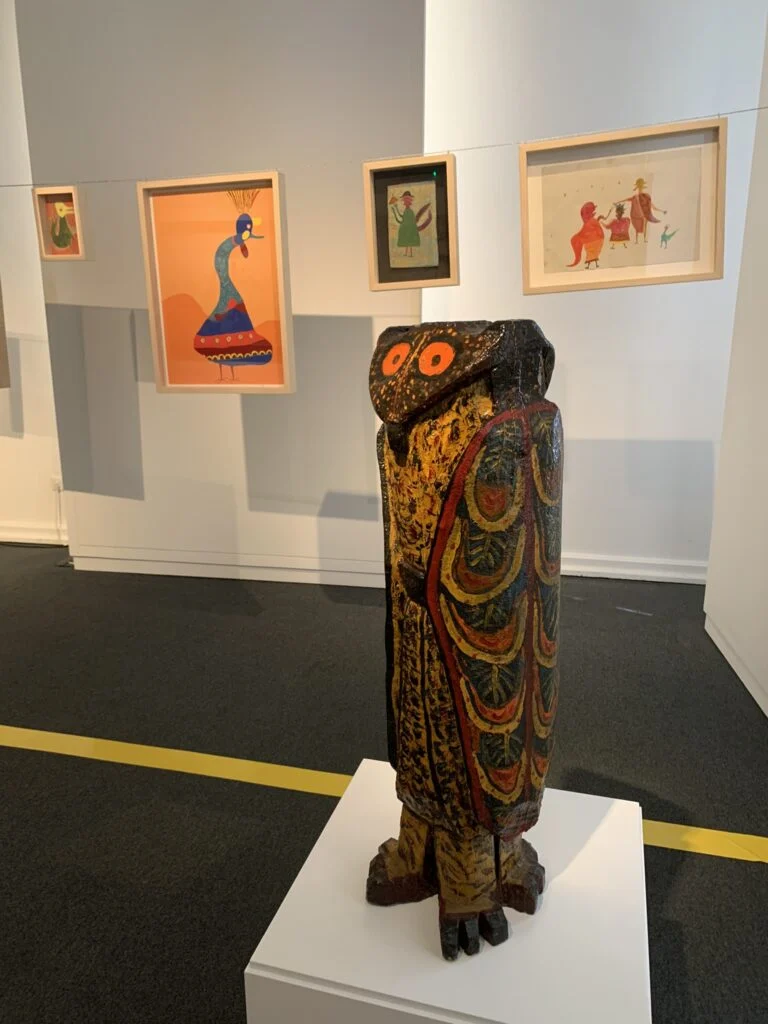
The museum also houses a range of objects beyond paintings, including small sculptures and drawings, offering a more comprehensive look at the artists’ methods. The collection is noteworthy for its preservation and thoughtful curation, aiming to avoid overly hagiographic presentations by contextualizing artworks within Croatian cultural and historical narratives.
Exhibitions and Interpretation
Exhibition-wise, the museum maintains a primarily stable presentation of its core works, organized thematically and chronologically to help visitors trace lines of development and common themes among artists. The layout tends to support a measured progression from early to later works, allowing a clear view of stylistic nuances and shifts in content over time.
Interpretive materials focus on explaining the aesthetic qualities and social backgrounds of naïve artists. Text panels and labels provide accessible insights without excessive jargon, though more detailed curatorial essays or multimedia features are limited. This straightforward approach suits the museum’s straightforward mission but may leave some visitors seeking a deeper analytical framework wanting more.
Temporary exhibitions arise occasionally but are not the main draw; they typically explore related themes or highlight new acquisitions. The museum’s interpretive emphasis remains centered on the intrinsic value of the artworks themselves, rather than on experimental exhibition formats or complex historical theorizing.
Audience Fit and Visitor Flow
The Croatian Museum of Naïve Art appeals principally to those with an interest in regional art history, folk culture, and outsider art. It is particularly suitable for visitors looking for a contained, accessible experience focused on a specific artistic phenomenon, rather than a broad survey of Croatian or European contemporary art. Art historians and students specializing in naïve and folk traditions would also find the collection valuable.
The museum’s scale is moderate, allowing for a comfortable pace without fatigue; however, it is primarily an indoor experience with mainly visual engagement rather than participatory or interactive elements. Visitor flow is generally smooth, reflecting the site’s popularity among both local audiences and tourists drawn to Zagreb’s cultural offerings. The spatial arrangement supports a narrative exploration, though busy periods could reduce the intimacy that benefits more contemplative viewing.
Highlights and Trade-Offs
Among the collection’s highlights are the large, finely detailed canvases of Ivan Generalić, whose work exemplifies the blend of fantasy and realism inherent to Croatian naïve painting. His pieces often capture an almost documentary sense of rural life filtered through imagination, making them among the collection’s most memorable. Franjo Mraz’s paintings also stand out for their structural clarity and emotionally direct scenes.
The museum’s strength lies in its focused collection and the ability to tell a clear story about this particular art form. However, this specialization is also a limitation. Those seeking a more varied contemporary art experience or international representation beyond naïve styles may find the scope relatively narrow. The interpretation leans toward straightforward exhibition and does not delve deeply into critical debates about naïve art’s place within modern or postmodern art history.
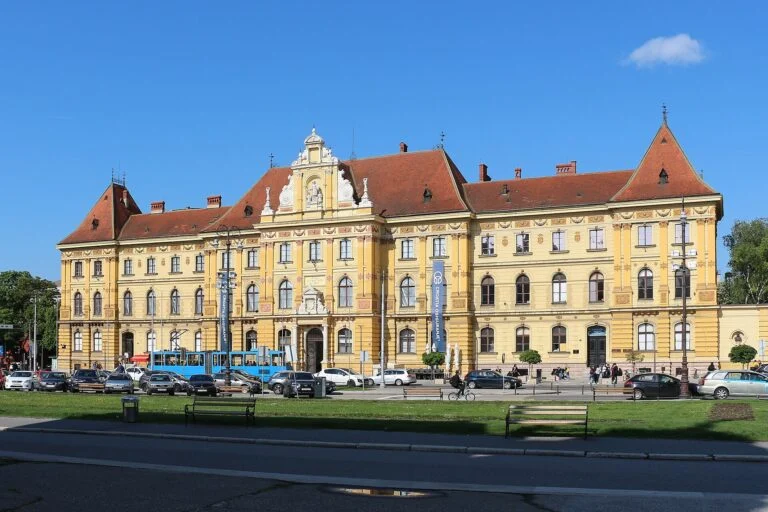
The museum’s setting, occupying a historic building, adds a quiet dignity but does not offer large or highly flexible gallery spaces for expansive or multifaceted shows. This can constrain the scale and variety of exhibitions, keeping the visit more intimate but potentially less dynamic.
Visit Planning
Potential visitors should check the museum’s official website or contact their information desk prior to planning a visit, as details on opening hours, ticketing, and accessibility are subject to change. This approach is advisable given the museum’s relatively specialized nature, which may mean variations in service availability compared to larger, mainstream institutions.
The museum is located within Zagreb’s city center, integrated well with other cultural and civic destinations, allowing for a broader exploration of the city’s artistic landscape. Visitors should prepare to spend at least an hour or more to appreciate the collection fully, though those with a particular interest in the topic could extend their visit for closer study.
While the museum does not rely heavily on multimedia or interactive experiences, it does provide a calm environment suitable for contemplation. Visitors seeking more general art museum amenities might find the offerings modest in comparison.
The Bottom Line
The Croatian Museum of Naïve Art provides a distinctly focused, coherent representation of a genre that is central to Croatia’s artistic identity but may be less familiar internationally. For those interested in the intersection of folk traditions and visual art, or in how untrained artists express complex cultural narratives, the museum offers a valuable collection with substantial depth.
Its strengths lie in its well-curated permanent holdings and an interpretive stance that respects the directness and uniqueness of naïve art. The museum does not overreach beyond its remit, which preserves clarity but may also limit appeal for visitors desiring broader or more experimental museum experiences.
Overall, this institution serves as a specialized cultural resource that enriches Zagreb’s museum scene by highlighting a significant but often underrepresented artistic tradition. It should be approached as a destination for focused study or thoughtful appreciation rather than a comprehensive introduction to Croatian or European art more generally.