Museum of Contemporary Art Zagreb Review
Art Museums · Zagreb, Croatia. The Museum of Contemporary Art Zagreb occupies a crucial position in Croatia’s cultural landscape, reflecting the complex trajectory of modern and contemporary art in the region. It opened its doors in 2009 as a…
Art Museums · Zagreb, Croatia. The Museum of Contemporary Art Zagreb occupies a crucial position in Croatia’s cultural landscape, reflecting the complex trajectory of modern and contemporary art in the region. It opened its doors in 2009 as a…
Best forArt lovers, visual culture, architecture
Review focusCollections, curatorial focus, and visitor planning
Historical Context
The Museum of Contemporary Art Zagreb occupies a crucial position in Croatia’s cultural landscape, reflecting the complex trajectory of modern and contemporary art in the region. It opened its doors in 2009 as a purpose-built institution, designed to bring a more substantial focus to post-World War II art developments within Croatia and the wider Southeastern European context. The museum emerged from a desire to provide a dedicated public space for contemporary artistic practices, which were previously represented only alongside more traditional art in older institutions.
Historically, Zagreb was a significant artistic center in the former Yugoslavia, with diverse avant-garde movements and artists who engaged with global trends while often addressing local political and social issues. The museum’s foundation followed years of collecting and conserving works generated in the latter half of the 20th century, a period marked by both radical experimentation and the cultural disruptions caused by the region’s turbulent political landscape. It was conceived as a modern, architecturally distinct structure capable of housing the extensive collection amassed by the City of Zagreb and other sources, ultimately aiming to support contemporary artistic production as a dynamic rather than static phenomenon.
This institution’s establishment also fits within a broader movement in Eastern and Central Europe during the late 2000s to create venues that could foster dialogue between international contemporary art and national artistic heritage. The Museum of Contemporary Art Zagreb, therefore, serves not only as an art repository but as a signpost of Croatia’s cultural identity in the 21st century, positioned in a city with a deep intellectual tradition that seeks to balance local specificity with global engagement.
What You See on Arrival
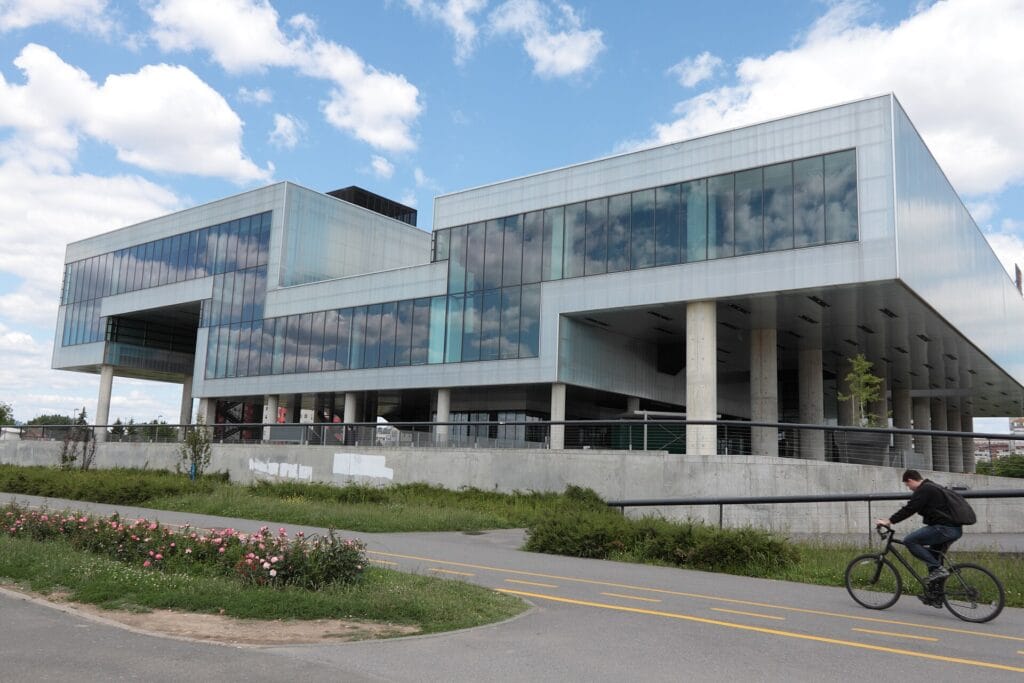
Approaching the Museum of Contemporary Art Zagreb, visitors are immediately confronted with a distinctly modern architectural form. The building deviates from Zagreb’s older city center architectural styles, instead embodying a contemporary and somewhat monumental aesthetic. Its scale and design make clear that this institution is dedicated to art that often challenges classical notions of museum display and historical art canons.
The structure itself serves as a visual cue to the ethos within—spaces are generous, open, and designed to accommodate large-scale installations, multimedia works, and flexible exhibition formats. The exterior suggests a dialogue between simplicity and complexity, inviting visitors to consider how contemporary art often navigates similar dualities. From a distance, the museum projects an identity aligned with experimentation and an expanded notion of what art can be in the current age.
On entering or passing by the museum, visitors should anticipate a spatial and visual experience geared towards contemporary aesthetics, differing markedly from traditional fine art museums. The setting surrounding the museum—its placement in the broader urban fabric—also signals both accessibility to city dwellers and a commitment to cultural vitality outside the more touristic historic core of Zagreb. Planning a visit here offers the chance to engage with new artistic voices and developments, housed in a space intentionally constructed for this purpose, rather than retrofitting older buildings with limited capacity for such works.
Highlights and Key Exhibitions
The museum’s core strength lies in its collection, which holds over 12,000 works by Croatian and international artists. The collection spans a wide array of media, including painting, sculpture, video, photography, installation, and conceptual art, focusing primarily on works produced from the 1950s onward. The institution is particularly valuable for its representation of art from the former Yugoslavia, placing regional artistic contributions in conversation with broader European and global contexts.
Visitors can expect to encounter significant pieces from the Croatian post-war avant-garde, including artists who pushed formal boundaries and engaged with political themes during times of upheaval. The museum’s holdings include works by influential figures such as Julije Knifer, known for his trademark meander paintings; Vlado Kristl, a key figure of experimental video and film; and several artists associated with the Gorgona Group, an ephemeral conceptual collective active in the late 1950s and early 1960s. These artists often operated within or responded to the socio-political constraints of their time, making the collection a valuable resource for understanding artistic expression under socialism.
Additionally, the museum holds a significant number of works by younger generations and continues to integrate contemporary production to reflect ongoing artistic discourse. Its galleries support an evolving narrative about medium, form, and meaning, embracing technology and conceptual art alongside more traditional visual media.
The permanent displays are complemented by a program of temporary exhibitions and projects, although these can vary and should be verified in advance. The museum’s exhibitions often explore thematic intersections such as identity, technology, and politics, allowing visitors to glean insight into shifting contemporary concerns within Croatia and beyond.
While the collection is comprehensive in its temporal scope, it is primarily oriented towards art linked with the Croatian and Southeastern European experience. International artists are represented, but the museum’s focus remains strongly regional, which may limit direct engagement with some international contemporary art trends. Still, for those interested in post-war and contemporary art from this part of Europe, the museum offers a rare and well-curated window into a distinctive art history that is less frequently covered outside this region.
Visitor Experience
The layout and presentation of the Museum of Contemporary Art Zagreb aim to balance open gallery spaces with a clear flow between thematic and chronological groupings. Visitors can expect a museum environment that encourages deliberate engagement rather than rapid viewing. The building’s generous spatial arrangements support larger works that demand physical room, such as installations and video projections, avoiding some of the cramped conditions often found in older institutions housing contemporary art collections.
Interpretive materials are generally functional, offering necessary context and biographical information, but the museum’s focus is often on letting the works speak for themselves. This approach benefits visitors who have some prior familiarity with contemporary art, or who are comfortable with open-ended viewing experiences. The sometimes conceptual nature of the art can present challenges for those who prefer straightforward narrative histories or explanatory frameworks.
The museum’s audience tends to be fairly specialized—art students, professionals, and those interested in modern art trends and regional artistic movements. Visitors looking primarily for classical or historical art will find this museum’s focus quite specific and not necessarily aligned with their interests.
The institution also connects with educational programs and public events aimed at expanding the reach of contemporary art understanding. However, prospective visitors should not expect extensive visitor services oriented towards tourists or casual visitors, such as frequent guided tours or extensive multimedia interpretation, unless confirmed through official channels.
Tickets, Access, and Planning
Given the institutional nature of the Museum of Contemporary Art Zagreb and its position within Croatia’s public cultural framework, information about admission policies and exact opening hours should be sought through the museum’s official channels. Pricing details, availability of reduced tickets, or family passes are subject to change and are best confirmed directly before planning a visit.
Access to the museum is facilitated by its city location, although specific directions and transport options are not standardized in all visitor resources. Zagreb’s public transit and taxi services generally allow convenient arrival, but checking updated travel logistics is advisable.
Potential visitors should verify accessibility features for those with mobility challenges by consulting official museum materials, as the building is relatively new and likely meets modern standards, but confirmation is prudent.
The museum’s programming of temporary exhibitions and events can affect visitor flow and gallery availability, so up-to-date information on current exhibitions should be consulted before a visit.
Final Verdict
The Museum of Contemporary Art Zagreb represents a vital institution for understanding contemporary art in Croatia and the surrounding region. Its well-curated permanent collection offers valuable insights into post-war and contemporary artistic practices that are central to Southeastern Europe’s cultural heritage. The museum’s architectural design and gallery spaces are well suited to the demands of exhibiting contemporary and multimedia artworks, creating a setting that can accommodate ambitious artistic presentations.
That said, the museum’s focus is quite specialized. Visitors primarily interested in a more international or broadly chronological survey of contemporary art may find the content more regionally centered than expected. Some may also find the interpretive approach minimalistic, favoring open engagement over detailed explanatory materials. For those comfortable with this style and invested in the post-war and contemporary art scene of the Balkans and Croatia in particular, the museum offers a measured and coherent narrative.
Planning a visit requires a degree of preparation, particularly in confirming current exhibitions, tickets, accessibility, and practical details. The institution remains an important cultural resource, contributing notably to Zagreb’s artistic offerings and the broader dialogue on contemporary art in Southeastern Europe, albeit with a clear and deliberate focus.