Museu da Língua Portuguesa
São Paulo, Brazil. The Museu da Língua Portuguesa in São Paulo, Brazil, is a specialized institution devoted to the Portuguese language in its Brazilian form. It is an example of a language museum that seeks to present…
Best forMuseum lovers, culture travelers, first-time visitors
Setting / nearbySão Paulo, Brazil
Overview
The Museu da Língua Portuguesa in São Paulo, Brazil, is a specialized institution devoted to the Portuguese language in its Brazilian form. It is an example of a language museum that seeks to present not the written or spoken word alone, but the cultural, social, and historical dimensions that the Portuguese language has acquired in Brazil. Established with the intention of celebrating the Portuguese language’s richness and diversity, the museum explores how language shapes identity and communication, reflecting the complexity of Brazil’s multicultural society.
Located in one of the most populous cities of South America, the museum is unique in its thematic dedication. It serves as both an educational space and a cultural archive, offering visitors insights into the living language that binds various Brazilian regions and communities. Unlike conventional museums focused on visual or material culture alone, this museum uses multimedia, interactive exhibits, and sound to engage visitors with language as a dynamic, evolving phenomenon. It also indirectly addresses broader questions of linguistic diversity and the role of language in national identity.
Collection Highlights
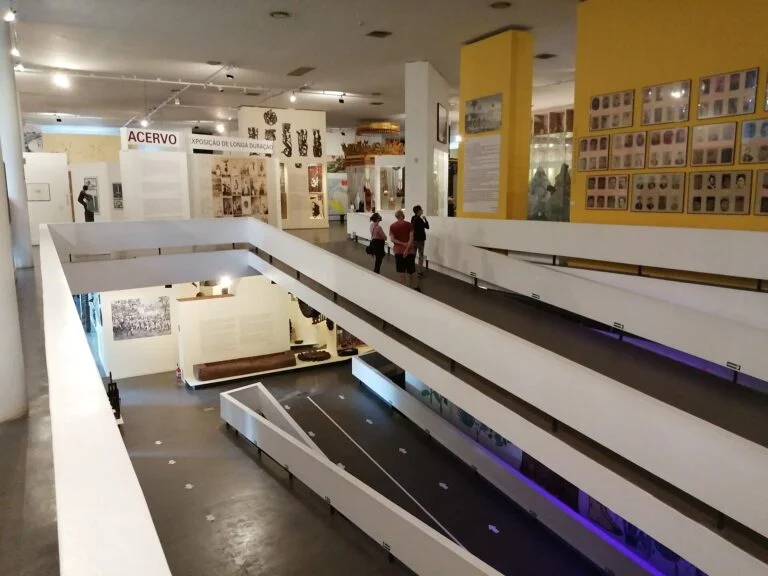
The Museu da Língua Portuguesa presents a broad range of exhibits organized around linguistic themes rather than traditional objects. Visitors can expect to encounter interactive installations that demonstrate the sounds, rhythm, and grammar of Portuguese as spoken in Brazil. These exhibits emphasize the multiplicity of accents, vocabularies, and expressions that have developed across time and geography.
One section is dedicated to the origins and development of Portuguese, tracing its roots back to Latin and showing how indigenous, African, and immigrant communities contributed to its evolution in Brazil. This contextual approach helps to situate the language not only as a tool of communication but also as a product of complex historical processes.
Other parts of the museum focus on contemporary usage, including the influence of media, literature, and popular culture on language change. Visitors may find exhibits featuring writers, poets, and linguistic phenomena that highlight the creative potential of Portuguese in Brazil. In addition to auditory and visual elements, the museum often employs interactive touchscreens and installations that invite visitors to reflect on their own relationship with language.
Although the museum does not display traditional artifacts like manuscripts or ancient texts in large numbers, its strength lies in making language accessible through innovative forms. Oral histories, recorded dialogues, and examples of everyday speech provide a living archive, engaging visitors in the fluidity and vitality of Portuguese. Scholars and language enthusiasts might find particular value in thematic displays on morphology, phonetics, and semantics tailored to the Brazilian Portuguese context.
Building and Setting
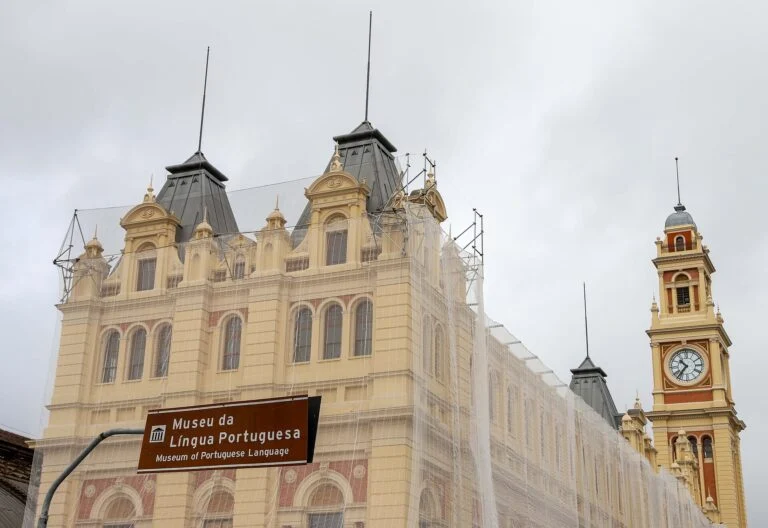
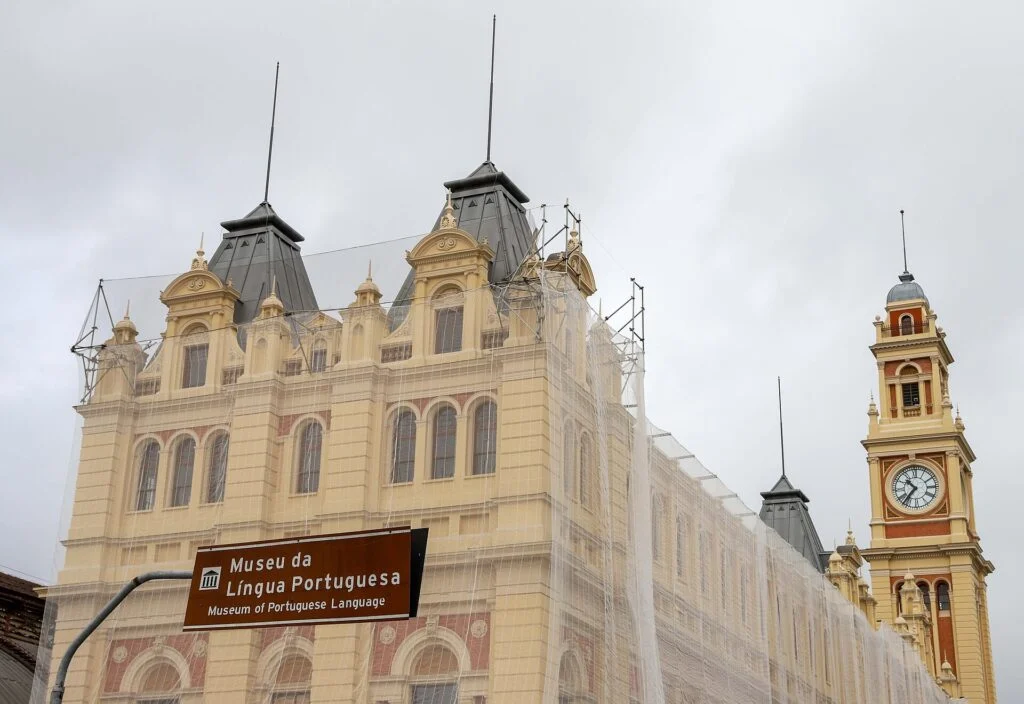
The museum is housed in the historic Estação da Luz, a railway station in central São Paulo with its own architectural and cultural significance. This location blends the historic and educational dimensions, offering a layered visitor experience. The station building itself is an example of late 19th-century architecture, adding a tangible sense of place and history to the museum visit. The blend of old and new—traditional infrastructure and contemporary exhibit design—creates a contrast that reflects the museum’s theme of continuity and change.
Situated in a busy urban environment, the museum benefits from easy access to public transportation and city amenities. However, the location in a well-trafficked area means that visitors should expect some crowding or noise depending on the time of day or week. The surrounding neighborhood offers a glimpse into São Paulo’s diversity and urban character, which may be of interest to those looking to extend their cultural visit beyond the museum.
Practical Information
As an active institution, the Museu da Língua Portuguesa offers regularly updated exhibitions and educational programs, though specifics regarding opening hours, ticket prices, guided tours, and accessibility features should be verified by consulting the museum’s official website. Interested visitors should check current information for admissions, potential discounts, and any special events.
The museum’s format, which includes interactive and multimedia displays, often requires visitors to engage physically and visually, so those with particular sensory or mobility needs may want to inquire about accommodations in advance. Planning ahead is also advisable to avoid peak visitor times if a quieter experience is preferred.
Given its language-focused theme, the museum content is primarily presented in Portuguese, which might pose a challenge for non-Portuguese speakers. While some exhibitions may offer translations or explanatory materials in other languages, the depth of engagement could be somewhat limited for those without familiarity with the language.
Why Visit
The Museu da Língua Portuguesa stands apart as a cultural institution dedicated to an aspect of human life often taken for granted: language itself. For visitors interested in linguistics, cultural history, or Brazilian identity, the museum offers a rare opportunity to consider how Portuguese shapes and is shaped by the country’s people. It’s a thoughtful exploration of how language functions beyond its utilitarian purpose, influencing thought, creativity, and social interaction.
This museum may especially appeal to educators, students, writers, and anyone curious about language diversity and development in Brazil. Its use of multimedia and interactive technology allows for an engaging, sometimes playful experience that goes beyond static displays. This dynamic approach encourages visitors to reflect on their own linguistic experience and consider the broader cultural implications.
At the same time, the Museu da Língua Portuguesa does have its limits. Visitors seeking artifacts or conventional museum collections focused solely on visual art or historical objects might find the approach unusual. Those with limited Portuguese skills should be prepared for some challenges in fully appreciating the material. Additionally, the museum’s location in a busy urban hub requires some practical planning for arrival and departure.
In sum, the Museu da Língua Portuguesa contributes a distinctive perspective to São Paulo’s rich museum landscape. It invites reflection on language as a living, changing cultural phenomenon, made tangible through a variety of media and interpretive strategies. For those able to navigate some linguistic and urban challenges, it provides a stimulating and original museum experience centered on one of Brazil’s defining cultural elements.
Readers planning a visit are encouraged to review the museum’s official website for the latest details on exhibitions, services, and access before their trip.