Kettle’s Yard
Cambridge, United Kingdom. Kettle’s Yard is a distinctive art museum and historic house located in Cambridge, United Kingdom. It represents a unique fusion of domestic space and art collection, originally founded by Jim Ede, a former curator…
Best forMuseum lovers, culture travelers, first-time visitors
Setting / nearbyCambridge, United Kingdom
Overview
Kettle’s Yard is a distinctive art museum and historic house located in Cambridge, United Kingdom. It represents a unique fusion of domestic space and art collection, originally founded by Jim Ede, a former curator of the Tate Gallery. The museum offers an intimate insight into the life of a collector and the relationship between artwork and living environment. Unlike many larger institutions focused on encyclopedic displays, Kettle’s Yard encourages visitors to consider works of modern and contemporary art within a warm, lived-in setting. It is an important site within Cambridge’s cultural landscape, standing apart for its emphasis on careful curation and the harmony between space, light, and objects.
Collection Highlights
The core of Kettle’s Yard’s collection reflects Jim Ede’s personal interests, with a focus on 20th-century British and European modern art. Visitors encounter paintings, sculptures, and ceramics carefully arranged throughout the house and gallery spaces. Artists represented include notable figures connected to the British modernist movement, as well as those linked with the St Ives School—central to postwar British art. As such, the collection offers perspectives on abstract and figurative styles, often underscored by an experimental yet understated sensibility.
A striking element of the presentation lies in how artworks are integrated with ordinary household items—handcrafted pots, pebbles, driftwood, and other natural materials—which are displayed alongside paintings and sculptures. This approach encourages contemplation of beauty in everyday life and challenges traditional gallery norms where objects are often isolated. The informality of presentation remains consistent throughout the museum’s series of connected rooms, creating an atmosphere that can feel contemplative rather than didactic.
In addition to permanent holdings, Kettle’s Yard periodically hosts temporary exhibitions that extend or challenge the existing collection themes. Such exhibitions may present contemporary artists or explore broader dialogues about art and space, allowing the museum to remain relevant to current artistic concerns while maintaining its historical roots.
Building and Setting
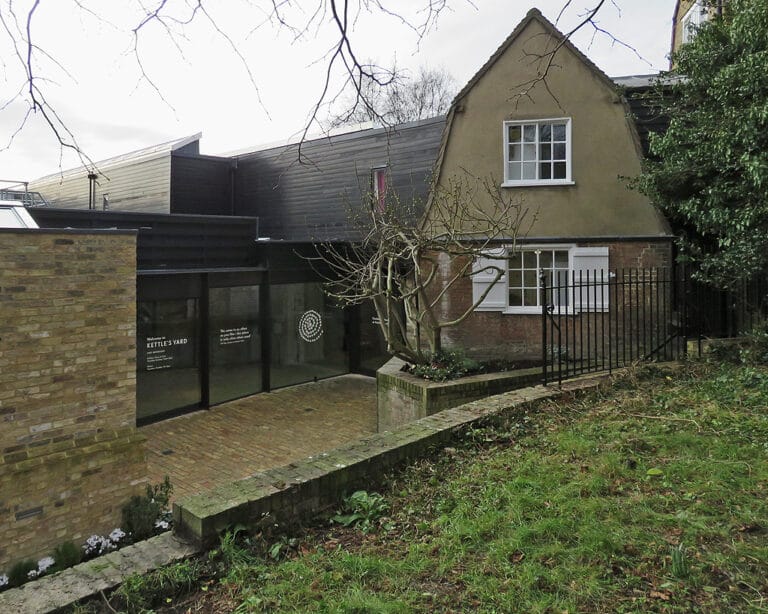
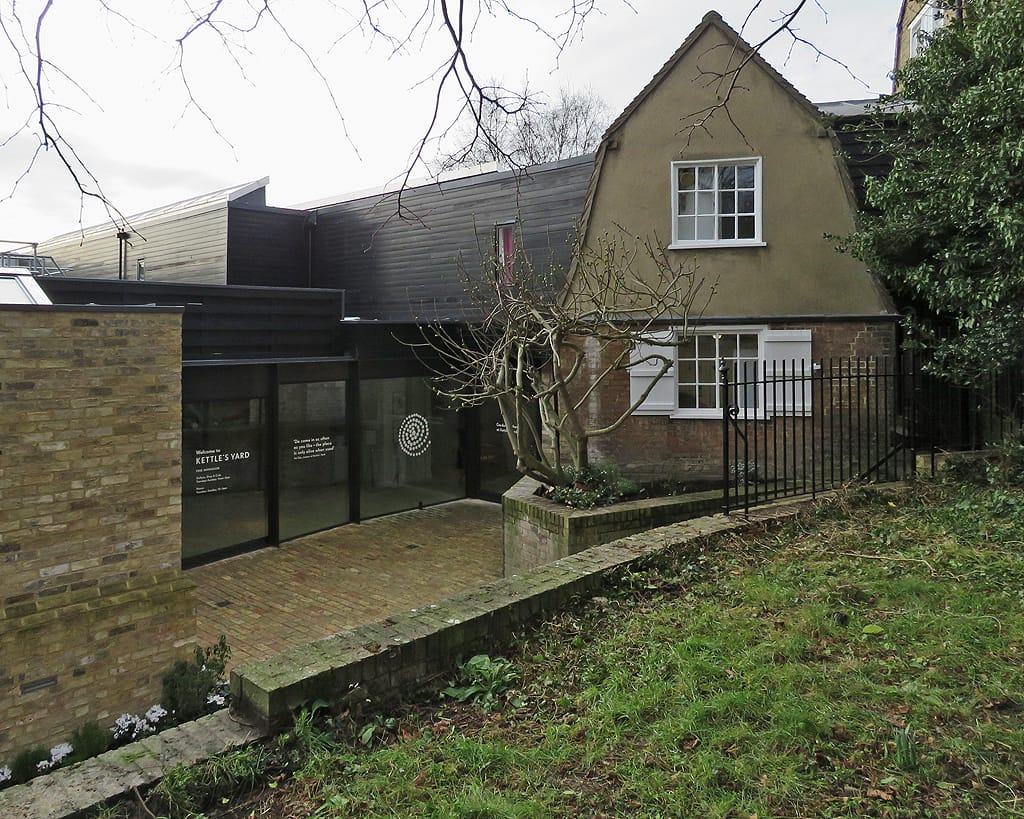
Kettle’s Yard is composed of a cottage and adjoining modernist extension situated in Cambridge’s residential area. The original cottage, acquired by Jim Ede and his wife in the mid-20th century, was adapted to serve as both their home and an intimate gallery. Following Ede’s wishes, the house was transformed into a museum after his death, preserving its domestic interior alongside the artworks.
The building’s design and layout emphasize natural light, creating fluid movement between rooms and enhancing the viewing experience. The museum’s architecture, both in the original house and the later addition, reflects a thoughtful integration of art and living space, with careful attention to proportions and visual balance. The immediacy of the rooms and the absence of conventional display cases reinforce the accessible nature of the space.
The museum is set within a quiet part of Cambridge, away from the busy university center yet close enough for convenient access. The surrounding neighborhood is residential, making visits feel contained within a peaceful environment. While the setting contributes to the intimate atmosphere, it also means the museum does not offer expansive grounds or outdoor art installations.
Practical Information
Before visiting Kettle’s Yard, it is advisable to consult the official museum website for the latest details on opening hours, ticketing, accessibility, and available facilities. Information about guided tours or visitor services may also be provided there. Since the museum’s scale and presentation encourage calm, mindful visits, it may not be suited to large groups or visitors seeking fast-paced experiences.
As a smaller museum located in a residential area, parking may be limited in the immediate vicinity, and public transport options should be checked for convenience. The museum’s setting and relatively modest size also mean that visiting with young children or large groups may require some planning to ensure comfort and engagement.
Kettle’s Yard operates as part of Cambridge’s cultural scene, and its affiliation with local university art programs may lead to special events or temporary exhibitions that complement the permanent collection. Visitors interested in contemporary art developments or art education might find these offerings valuable.
Why Visit
Kettle’s Yard offers a visit that differs noticeably from typical gallery experiences found in larger institutions. Its value lies in the peaceful atmosphere and the way art is presented within a setting that once functioned as a family home. For anyone interested in modern British art, the collection presents works outside of the crowded main museum circuits.
The museum’s arrangement encourages reflection on how art interacts with daily life and domestic spaces, which may appeal to visitors curious about museum display methods or the history of private collecting. Those with an interest in mid-20th-century art will encounter works not always seen elsewhere, set against a backdrop that prioritizes simplicity and the quiet interplay of objects.
However, the museum’s size and scope do mean it cannot offer the breadth of larger contemporary art museums, and its domestic scale may not suit visitors seeking a wide variety of artworks or large-scale exhibitions. Additionally, because the display intentionally includes fragile and subtle works integrated with the home environment, photography and some tactile experiences are commonly restricted.
In summary, Kettle’s Yard is a considered destination for those appreciating a different form of art experience—one where setting, light, and the personal story of collecting shape the visit as much as the individual artworks themselves. It encourages a slower pace and invites thoughtful engagement, making it a noteworthy cultural visit in Cambridge for art lovers interested in mid-century modernism and the intersection of art and everyday life.