Horniman Museum and Gardens
London, United Kingdom. The Horniman Museum and Gardens is a distinctive institution situated in London that combines elements of natural history, anthropology, and musical heritage. It is not a conventional art or history museum; rather, it offers…
Best forMuseum lovers, culture travelers, first-time visitors
Setting / nearbyLondon, United Kingdom
Overview
The Horniman Museum and Gardens is a distinctive institution situated in London that combines elements of natural history, anthropology, and musical heritage. It is not a conventional art or history museum; rather, it offers a diverse and engaging collection that reflects a wide range of disciplines. Founded on the personal collection of Frederick John Horniman in the early 20th century, it has evolved into a public museum with a unique identity centered on the display and study of natural and cultural specimens, as well as musical instruments.
Located in the Forest Hill area of South London, the museum presents itself as both a museum and a garden, offering visitors the chance to encounter its collections within a green and somewhat relaxed setting. While it may not have the scale or international renown of central London’s major museums, the Horniman has carved out a role as a place where families, students, and those interested in ethnography, music, and natural history can explore a range of topics with depth and variety.
Collection Highlights
The Horniman’s collection is notable for its eclecticism, with particular strengths in natural history specimens, ethnographic objects, and musical instruments. These three main strands interweave to provide an experience that crosses disciplines, reflecting Frederick Horniman’s original mission to build a museum that educates and informs on the diversity of human culture and the natural world.
In terms of natural history, the museum houses preserved animals, taxidermy, and botanical specimens. Visitors may find displays that include mounted mammals, insects, and skeletons, which contribute to an understanding of biological diversity. The natural history section serves both as an educational resource and a historical insight into Victorian and early 20th-century collection practices.
The ethnographic collection contains objects from around the world, often categorized by geographical region. These may include artifacts from Africa, Asia, the Americas, and the Pacific, representing a variety of cultural traditions. Ceremonial objects, tools, textiles, and everyday items are exhibited with accompanying information about their cultural contexts. It’s a collection intended to encourage reflection on different ways of life, though for contemporary visitors it’s worth considering the colonial context in which many such objects were originally acquired.
The museum also draws attention to the history and diversity of musical instruments. The musical gallery includes instruments from various cultures, ranging from traditional European orchestral instruments to instruments from Africa, Asia, and Oceania. Demonstrations of sound and use are occasionally part of special programming, but the static collections themselves can provide a quiet insight into the craftsmanship and cultural significance of music-making around the world.
Importantly, the Horniman also presents temporary exhibitions that engage with social and environmental themes. These rotate and vary in subject matter. They often draw on the museum’s collections to make contemporary connections or to explore particular ideas more fully.
Building and Setting
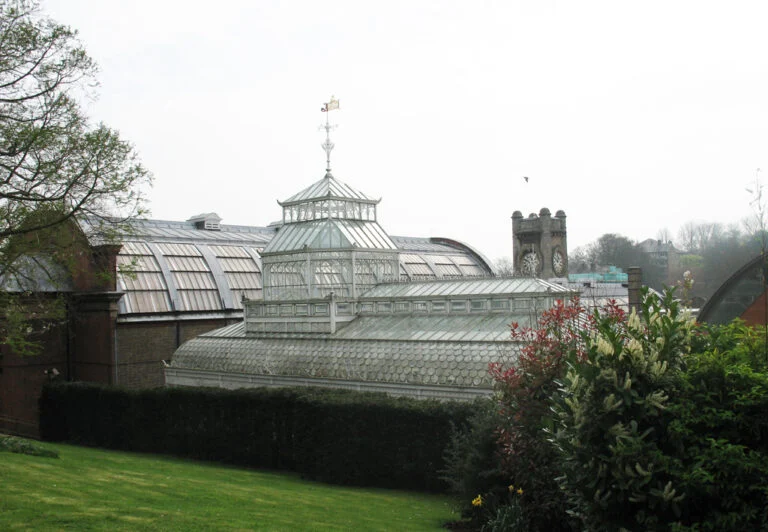
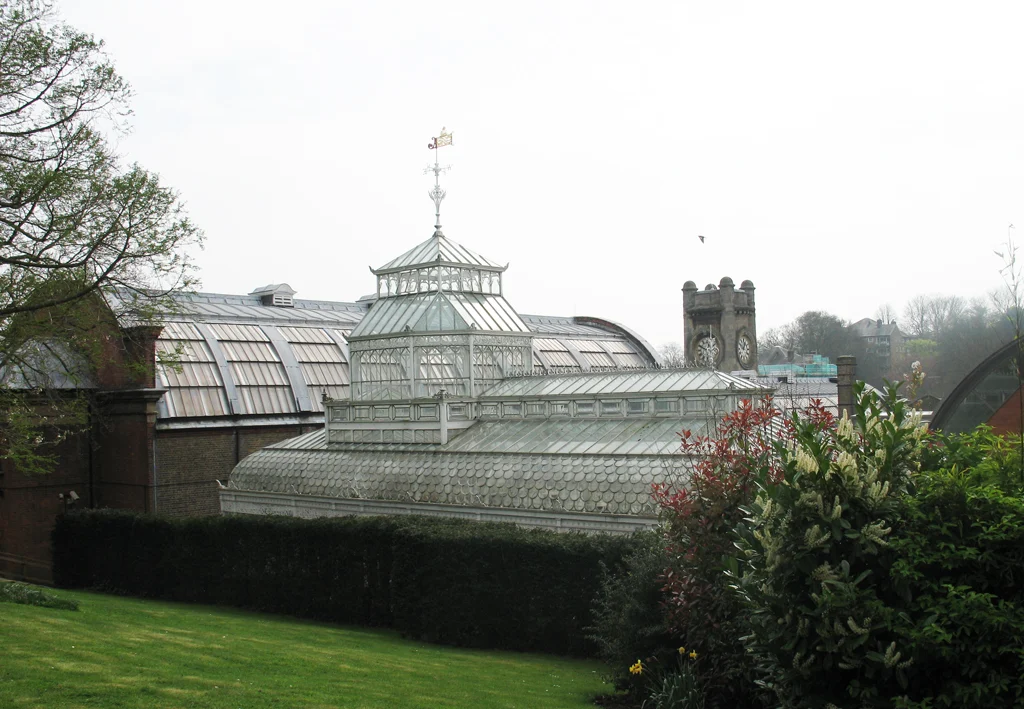
The Horniman Museum and Gardens occupy a site on a hillside in Forest Hill with views over London. The museum building itself is primarily Edwardian, exhibiting architectural styles from the period when the collections were first displayed to the public. Over the years, there have been extensions and refurbishments that aim to improve visitor facilities and exhibition spaces without completely altering the museum’s original character.
The gardens surrounding the museum provide a space to relax and explore outside the galleries. They include formal and informal areas, with habitats such as a butterfly house, small animal enclosures, and gardens designed to illustrate plants of cultural or environmental interest. These outdoor spaces complement the museum’s themes of nature and culture, adding a sensory and spatial dimension to the visit.
While the setting offers pleasant views and a quieter atmosphere compared to central London museums, visitors should be prepared for some uphill walking, both in reaching the site from nearby transport and within the garden areas.
Practical Information
For those considering a visit, it is advisable to consult the museum’s official website before planning a trip. Information such as opening hours, admission fees if applicable, tour options, audio guides, accessibility services, and current exhibitions can change over time and may vary seasonally or with special events.
Location-wise, the Horniman is accessible by public transport, including train and bus services. The surrounding neighborhood offers typical urban conveniences but expect only modest commercial options immediately adjacent to the museum. Parking availability might be limited or restricted, so visitors relying on private vehicles should verify conditions.
The museum’s layout might not be fully suited for all visitors with mobility issues, especially considering the gardens and hillside context. Prospective visitors with specific accessibility needs should inquire directly.
Why Visit
Choosing to visit the Horniman Museum and Gardens can appeal to a wide range of interests. Its blend of natural history, ethnography, and musical instruments makes it a good match for those curious about cultural diversity and the natural sciences presented through relatively intimate collections. Its educational role is prominent, making it popular with family groups and school visits that seek to combine learning with exploration.
The museum offers a quieter alternative to London’s larger institutions and can serve as a thoughtful space to consider the variety of human experience and the natural environment without being overwhelmed by crowd density. For those interested in the history of collecting, anthropological journeys, or musical traditions, the Horniman presents material that prompts reflection on how objects travel through time, geography, and social contexts.
On the other hand, visitors looking for extensive art collections, large-scale exhibitions, or focused scientific displays might find the museum’s offerings more modest. It operates on a smaller scale and often shows the marks of its pedigree as a collector’s cabinet turned public institution rather than a purpose-built modern museum complex.
In summary, the Horniman Museum and Gardens occupies a distinct niche in London’s cultural landscape. Its collections encourage curiosity and provide layered insights across natural and human history, set within a garden environment that supports a contemplative pause. Checking the latest visitor information is recommended to ensure the experience meets personal interests and practical needs.