Garden Museum
London, United Kingdom. The Garden Museum in London is a specialized museum dedicated to the art, history, and culture of gardening. It holds a unique place among British museums as it focuses specifically on the tradition and…
Best forMuseum lovers, culture travelers, first-time visitors
Setting / nearbyLondon, United Kingdom
Overview
The Garden Museum in London is a specialized museum dedicated to the art, history, and culture of gardening. It holds a unique place among British museums as it focuses specifically on the tradition and evolution of gardens, gardeners, and garden design. Situated in the heart of Lambeth, South London, it occupies the former church of St Mary-at-Lambeth, adding a distinctive historical atmosphere to its mission. The museum serves those interested in horticulture, landscape design, garden history, and those curious about the social and cultural significance of gardens in British life.
Unlike general art or history museums, the Garden Museum offers a niche perspective on how gardens have shaped and been shaped by aesthetic, practical, and ecological concerns over the centuries. It documents the people who have contributed to garden history—from noble designers to working gardeners—and explores how gardens reflect broader environmental and societal changes. Its approach combines historical artifacts with botanical knowledge, positioning it as a resource for scholars, enthusiasts, and families alike.
Collection Highlights
The museum’s core collections center on garden-related artifacts, including historical tools, rare plant specimens, prints, drawings, photographs, and archival materials connected to notable gardens and gardeners. Visitors will find displays of gardening implements from various periods, illustrating the evolution of tools and techniques used in British and sometimes international horticulture.
One highlight is the archive material concerning key figures in garden history, including influential designers and botanists. While some objects may be fragmentary or documentary in nature, they collectively provide insight into garden construction, plant cultivation, and the aesthetics of outdoor spaces. The museum also occasionally presents exhibitions focusing on particular themes, such as garden styles, plant collectors, or contemporary responses to gardening traditions.
The museum’s connection to the churchyard of St Mary-at-Lambeth adds another layer to the collection, showcasing funerary monuments and tombs of gardeners and horticultural pioneers. These include memorials to individuals who played significant roles in garden design and plant introduction in Britain. This fusion of cultural heritage and horticultural history is one of the museum’s distinctive features.
Visitors can expect a collection that, while not vast compared to national museums, is thoughtfully curated to emphasize the historical development of gardening and its cultural resonance. The material is often complemented by explanatory texts and labels that address both technical aspects of gardening and its social history.
Building and Setting
The Garden Museum occupies the deconsecrated Church of St Mary-at-Lambeth, a building with origins dating back several centuries. The church itself is a key element of the visitor experience, with its medieval stonework, historic architecture, and evocative atmosphere shaping how the exhibitions are presented. The adaptive reuse of the church allows the museum to combine religious and horticultural heritage, as the churchyard was historically used as a garden and burial place for gardeners.
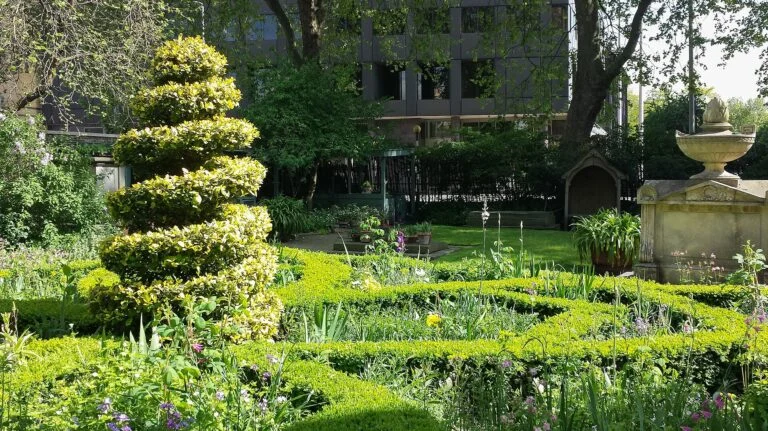
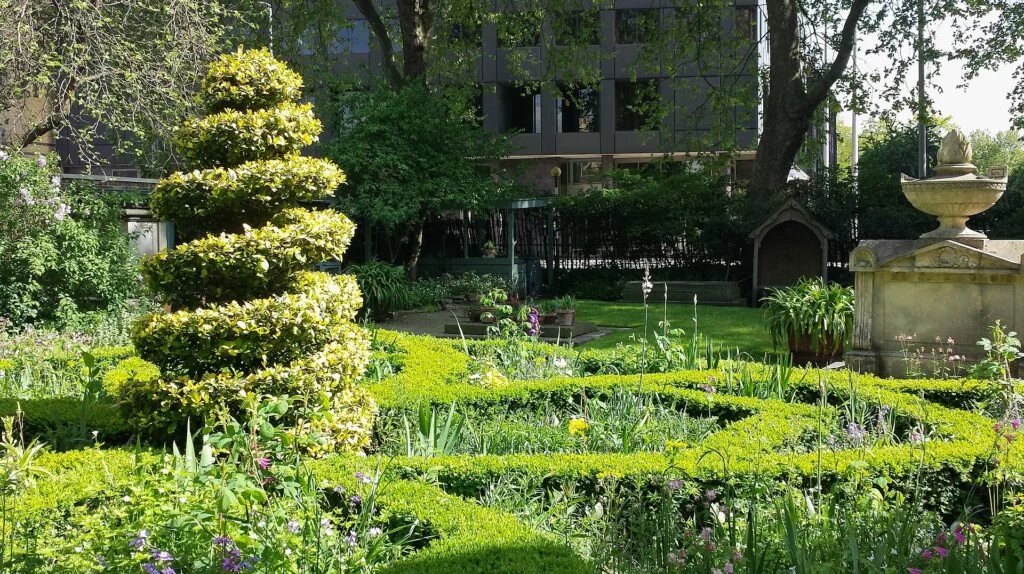
The site is close to the River Thames and near Lambeth Palace, offering visitors a distinctly London riverside setting. Though urban, the museum grounds include a recreated garden space designed in line with historic gardening practices. This outdoor area serves as both an exhibition component and a quiet contrast to the bustling city nearby.
Interior galleries are housed within the church’s nave and adjoining spaces, with permanent displays and temporary exhibitions arranged to make use of the building’s architecture. The historic setting imposes some spatial constraints, limiting the scale and arrangement of displays but enriching the atmosphere. This means that large-scale garden features or extensive horticultural collections typical in botanical gardens or arboreta are not part of the museum’s profile.
Practical Information
For potential visitors, it is advisable to check the Garden Museum’s official website for the latest information on opening hours, admission charges, and any special events. As a museum operating in a historical structure, accessibility may vary, and particular considerations might apply regarding mobility or sensory needs. Confirming these details ahead of a visit is recommended.
The museum often hosts lectures, workshops, and temporary exhibitions that explore gardening topics in greater depth, so the program of events can enhance the visit. Admission policies concerning guided tours, audio guides, or family activities may change and should be reviewed on official channels.
Given the museum’s location in central London, public transport connections are generally convenient. However, parking or access by car might be limited due to its urban setting. Planning travel in advance will help avoid complications on arrival.
Why Visit
The Garden Museum offers a focused exploration of horticultural history that differs from typical museums by centering on gardens as cultural artifacts. It is well suited to visitors with an interest in gardening, landscape design, British history, and botanical heritage. The setting in a historic church adds an unexpected dimension, intertwining plant culture with human stories and commemoration.
While the museum does not cover the full spectrum of botanical science or large-scale garden display, it complements such experiences by tracing the narrative of gardens through tools, imagery, and personal histories. It is a place where the practical and poetic aspects of gardening meet, inviting reflection on how gardens influence identities, communities, and environments.
Visitors looking for an in-depth historical overview of garden culture in Britain will find this museum informative. It may also appeal to those engaged in contemporary gardening or garden conservation, as the museum often addresses both heritage and current horticultural challenges.
The museum’s relatively compact and specialized nature means it might not satisfy those expecting extensive collections of plants or artworks unrelated to garden themes. However, its specific focus provides a valuable perspective often overlooked in broader cultural institutions.
In summary, the Garden Museum represents an opportunity to appreciate gardens not just as natural or aesthetic spaces but as shaped and shaping human culture through centuries. Its combination of historical artifacts, site history, and occasional exhibitions makes it a thoughtful venue for those drawn to the quieter stories of nature’s role in human experience.
For the latest updates, visiting guidelines, and special programming, interested readers should consult the official Garden Museum website prior to planning a visit.