Pinacoteca de São Paulo Review
São Paulo, Brazil. The Pinacoteca de São Paulo stands as one of Brazil’s oldest and most significant art institutions, with origins dating back to the early 20th century. Established in 1905, it was initially created to promote…
São Paulo, Brazil. The Pinacoteca de São Paulo stands as one of Brazil’s oldest and most significant art institutions, with origins dating back to the early 20th century. Established in 1905, it was initially created to promote…
Best forMuseum lovers, culture travelers, first-time visitors
Review focusCollections, visitor experience, and practical planning
Historical Context
The Pinacoteca de São Paulo stands as one of Brazil’s oldest and most significant art institutions, with origins dating back to the early 20th century. Established in 1905, it was initially created to promote the fine arts and to serve as a storage and display center for public collections in São Paulo. Over its long history, the Pinacoteca has grown and evolved, reflecting both the city’s urban and cultural development and Brazil’s broader artistic currents.
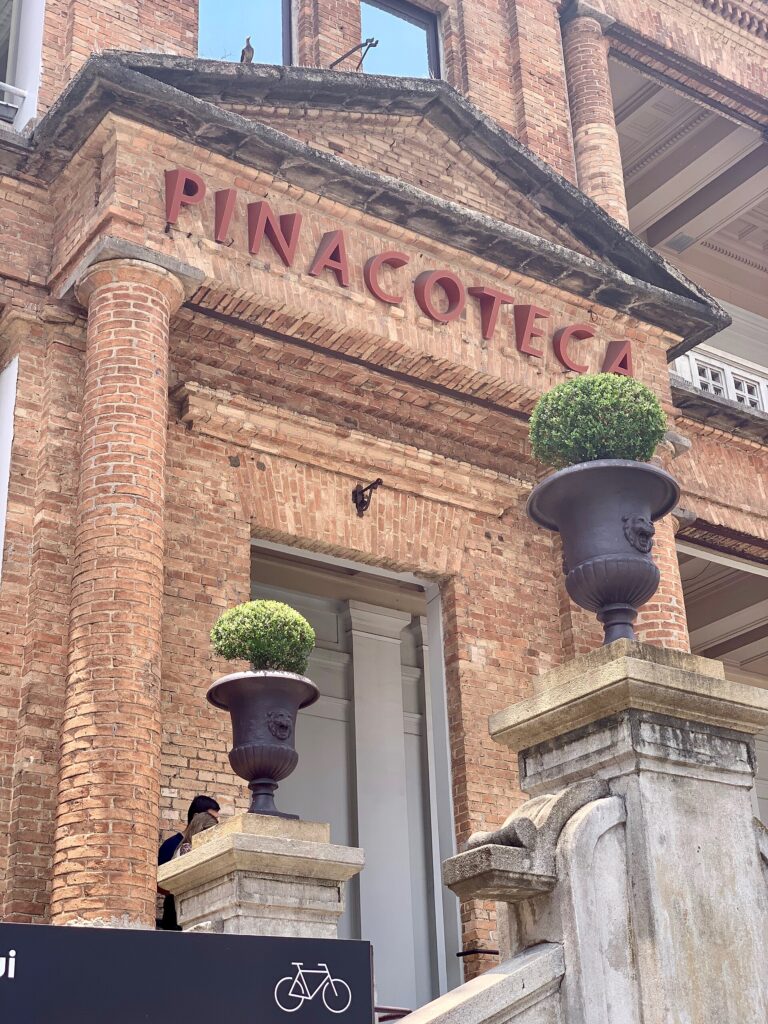
Its foundational mission was tied closely to education and the encouragement of Brazil’s emerging artistic identity. The institution played a key role in nurturing national art movements, especially those that charted the evolution from academic art styles to modern and contemporary expressions unique to the country. Situated within a former 19th-century building originally purposed as a park pavilion, the Pinacoteca reflects a blend of architectural heritage and adaptive reuse; the structure was carefully renovated in the late 1990s and early 2000s to accommodate a modern museum facility without losing its historical character.
Throughout the decades, the museum’s collection has been shaped by various acquisitions, donations, and exchanges, focusing principally on Brazilian art but also including important international works. The institution has proven pivotal in documenting and exhibiting the development of artistic practice and debates in Brazil from colonial times to the present day. This makes the Pinacoteca more than just a repository of paintings; it is a visible record of a nation’s cultural narratives, shaped often through Brazil’s own social and political transformations.
What You See on Arrival
Approaching the Pinacoteca de São Paulo, visitors will encounter a distinctive 19th-century building characterized by classical proportions and brick façades. This architectural presence sets a tone of historical weight and seriousness reflective of the museum’s longstanding role in Brazil’s cultural scene. The museum is located in Jardim da Luz, an urban park space in São Paulo, which provides a green and spacious environment contrasting with the dense city around it.
Upon arrival, there is a sense that the museum is both anchored in history and open to contemporary reinterpretation—a dual identity reinforced by the visible expansions and refurbishment of the structure. The entrance leads into a sequence of halls that gradually unfold the building’s layered layout, signaling that the experience will involve architectural as well as artistic discovery.
The Pinacoteca’s identity in the public imagination leans heavily on its prominence as a guardian of Brazilian art. While international visitors may initially expect to find only Brazilian modernism, the museum also situates these works within wider contexts, outlining influences and dialogues with global movements. This positioning clarifies what the institution represents: a specialized site that centers Brazilian visual culture but does so within a dialogue that acknowledges both internal diversity and external artistic currents.
The building’s exterior and setting provide a clear framing for the visitor: one of contemplation and learning, but measured and methodical rather than spectacular or theatrical. It is a place for focused engagement rather than a venue for dramatic presentation, offering a consistent tone that prepares visitors for a collection that privileges depth and nuance over broad sweeping narratives.
Highlights and Key Exhibitions
At the core of the Pinacoteca’s appeal is its extensive collection of Brazilian art, which spans roughly from the 19th century through to contemporary works. The museum holds some of the most important paintings, sculptures, and drawings from key periods and artists that have shaped the country’s art history.
Visitors can expect to encounter early Republican-era paintings that reflect Brazil’s socio-political transformations after the monarchy’s fall, often portraying scenes of everyday life, landscapes, and portraits suffused with nationalism and social commentary. Artists such as Almeida Junior and Pedro Américo are represented, offering insight into academic art and its gradual tension with modernist tendencies.
The Pinacoteca is especially noted for its collection of Modernist art that surged in Brazil in the early to mid-20th century. This includes artists associated with the São Paulo Modern Art Week of 1922, a landmark event that catalyzed a shift towards experimentation and rejection of academic norms. The museum stages these developments through works by notable figures like Tarsila do Amaral, Anita Malfatti, and Vicente do Rego Monteiro. The painting “Abaporu” by Tarsila do Amaral, while held elsewhere, invokes the kind of modernist dialogue that the Pinacoteca reflects in its paintings and visual narratives inside.
Beyond painting, the museum’s holdings in sculpture and graphic arts enrich the narrative. Modern and contemporary sculpture within the collection often explores Brazil’s complex relationship with tradition and innovation, particularly through artists who address identity and globalization.
The Pinacoteca does not concentrate solely on pre-existing collections; it actively collects and exhibits contemporary works, including photography and installations, expanding the notions of Brazilian art in the 21st century. This capacity ensures the institution remains relevant and responsive to ongoing debates in art and society.
One distinguishing feature of the collection is the focus on regional diversity within Brazil, highlighting areas beyond the typical cultural centers such as Rio de Janeiro. This speaks to the museum’s grounding in São Paulo’s own cosmopolitan but regionally conscious identity.
Though the museum is primarily dedicated to Brazilian art, visitors will also find international artworks in the collection that function as comparative points or influences on Brazilian artists. These works are generally selected with curatorial attention to the dialogues established across national and cultural borders, enriching the viewing experience by overlaying Brazil’s art history with broader artistic currents.
Visitor Experience
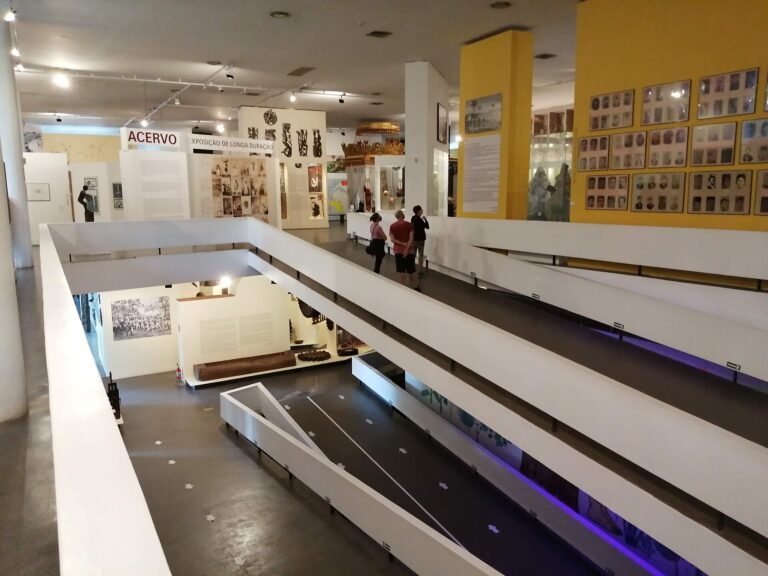
The Pinacoteca de São Paulo offers an experience best suited to visitors with some prior interest in art history or those willing to engage with detailed narratives. The exhibition layout and information tend toward the scholarly side, providing thorough but readable labels and contextual materials. This can make the museum particularly rewarding for students, researchers, and those with a serious interest in Brazilian culture and art.
The museum’s physical flow promotes a paced exploration with galleries arranged chronologically or thematically in a way that communicates progression rather than overwhelming the visitor with simultaneity. This methodical organization facilitates understanding the evolution of Brazilian art without feeling rushed or confused.
One notable strength is the clarity and honesty of the museum’s curatorial framing, which does not shy away from exposing tensions and contradictions within the history of Brazilian art—race, regionalism, gender, and socio-economic issues all receive attention through the works on display and their interpretation.
While the museum excels in artwork presentation and interpretive clarity, some visitors might find that the overall atmosphere is quiet and reserved rather than lively or interactive. Displays tend to prioritize the objects themselves over multimedia or theatrical elements, which could feel austere for families or casual visitors looking for interactive engagement.
The Pinacoteca’s building, though remodeled, still offers some constraints on large exhibition spaces, which can affect how some installations or larger contemporary works are presented. However, this limitation also means the museum prioritizes intimate and focused viewing environments rather than sprawling and diffuse exhibition schemes.
Educational programs and workshops are part of the institution’s broader mission, though prospective visitors should verify offerings through the official channels, as availability may vary. Interpretation, while detailed, leans on traditional media and text panels rather than self-guided technological tools.
Tickets, Access, and Planning
Details regarding entrance fees, discounts, and accessibility services should be confirmed directly with the Pinacoteca’s official resources before planning a visit, as policies and offerings can change. The museum is located in central São Paulo’s Jardim da Luz park, accessible by public transit, though visitors should research transit options and mobility accommodations according to their personal needs.
Because of the museum’s popularity and the rotating nature of exhibitions, advance booking requirements or timed-entry systems may apply at certain times, especially for special exhibitions or events. Visitors should check the official website to confirm opening hours, ticketing procedures, guided tour availability, and details about parking or amenities.
The museum’s architecture and layout imply some physical navigation considerations, particularly for visitors with mobility challenges. It is advisable to review the museum’s accessibility policies to ensure a comfortable visit.
Final Verdict
The Pinacoteca de São Paulo stands as a serious and substantial institution dedicated to the presentation and preservation of Brazilian art, balanced with an awareness of international artistic contexts. Its long history and ongoing role make it a key site for those interested in understanding Brazil’s visual culture as shaped over the last two centuries.
Strengths include a focused, well-curated collection, clear interpretive materials, and a building that, while historically rooted, has been adapted for modern museum needs. The museum invites reflection on Brazilian identity, artistic innovation, and socio-political history through careful curation of paintings, installations, and sculptures.
Its tone and presentation style align well with visitors who appreciate contemplative, scholarly engagement more than theatrical spectacle or interactive displays. Families or tourists seeking a highly dynamic or multimedia-focused experience might find the atmosphere somewhat subdued.
Practical planning should include a review of official information due to occasional changes in visitor services and exhibition schedules. The museum’s central location in São Paulo’s cultural landscape, paired with its concentrated collection, makes it an essential stop for those with an interest in Brazilian modern and contemporary art, whether arriving from the region or abroad.
In summary, the Pinacoteca offers a rich, in-depth perspective on Brazilian art history with a clear curatorial voice, meaningful breadth, and a quiet dignity that encourages thoughtful exploration. It remains a foundational space for engaging with art reflective of Brazil’s complex and evolving cultural identity.