Museu Afro Brasil Emanoel Araujo Review
São Paulo, Brazil. The Museu Afro Brasil Emanoel Araujo, located in São Paulo, Brazil, stands as a significant cultural institution dedicated to the art, history, and contribution of Afro-Brazilian communities. Established in the mid-2000s, the museum grew…
São Paulo, Brazil. The Museu Afro Brasil Emanoel Araujo, located in São Paulo, Brazil, stands as a significant cultural institution dedicated to the art, history, and contribution of Afro-Brazilian communities. Established in the mid-2000s, the museum grew…
Best forMuseum lovers, culture travelers, first-time visitors
Review focusCollections, visitor experience, and practical planning
Historical Context
The Museu Afro Brasil Emanoel Araujo, located in São Paulo, Brazil, stands as a significant cultural institution dedicated to the art, history, and contribution of Afro-Brazilian communities. Established in the mid-2000s, the museum grew from a long-standing initiative to recognize and document the African heritage within Brazilian society, addressing historical gaps in representation and awareness. The institution carries the name of Emanoel Araújo, a prominent Brazilian artist and curator who played a central role in shaping its vision and collection. Through its focus on Afro-Brazilian culture, the museum situates itself amid contemporary discussions on race, identity, and memory in Brazil, where Afro-descendant populations have historically faced marginalization despite their profound influence on the nation's culture.
The museum’s foundation responds to Brazil’s complex legacy of slavery, colonization, and cultural syncretism. Importantly, it provides a dedicated space for the exploration of African roots in Brazil, overcoming centuries of invisibility in mainstream narratives. The Museu Afro Brasil also participates in a broader network of cultural institutions within Brazil that work to preserve Afro-Brazilian history and art, reinforcing a vital presence in the country’s artistic and historical landscape. Its establishment reflects ongoing efforts by intellectuals, artists, and policymakers to reclaim histories and promote cultural diversity in one of Latin America’s largest urban centers.
What You See on Arrival
Approaching the Museu Afro Brasil, visitors encounter a defined yet welcoming sense of purpose grounded in the building’s location and architectural presence. The museum occupies part of the Parque Ibirapuera, one of São Paulo’s largest and most frequented green spaces. This situates the institution in an accessible, popular urban setting known for leisure and public gathering. While the external design is straightforward, it contrasts with the layers of history and cultural significance contained within.
The entrance emphasizes a clear identity related to Afro-Brazilian heritage, usually conveyed through signage, visual motifs, and possibly outdoor installations or sculptures linked to African-Brazilian traditions. Before stepping inside, visitors are likely to experience a moment of contextual framing that prepares them for a journey into the stories, art, and objects that assess the African presence in Brazil across centuries.
There is a sense of institutional focus rather than commercial showmanship. The entrance area, though not ostentatious, signals a museum dedicated to serious cultural and historical inquiry. This framing helps set visitor expectations for an experience that involves reflection, education, and potentially challenging understandings of Brazilian identity.
Highlights and Key Exhibitions
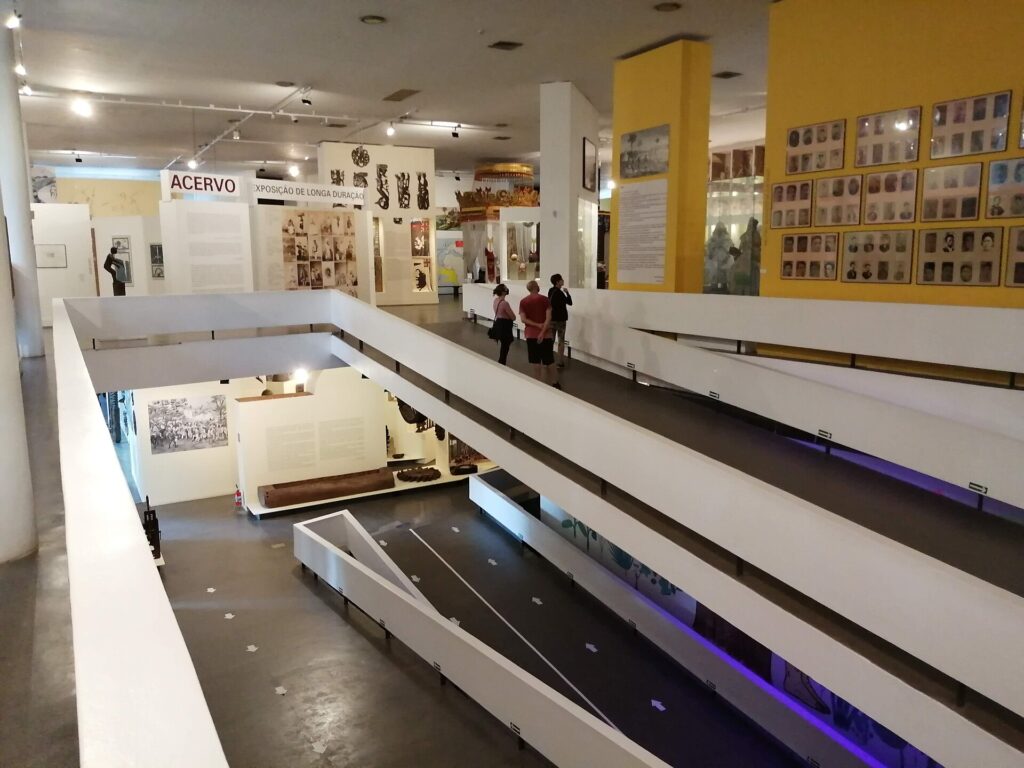
At the heart of the Museu Afro Brasil’s appeal is its collection, which is extensive and varied, spanning multiple disciplines and historical periods. The museum houses thousands of objects, including artworks, artifacts, documents, and photographs that articulate the African roots of Brazilian culture and society.
The collection is divided into clear thematic areas that explore African origins, the transatlantic slave trade, everyday life under slavery, religious practices, resistance and freedom movements, and contemporary cultural expressions. Key exhibitions illustrate the continuity and transformation of African influences in Brazilian music, dance, visual arts, religion, and social structures.
One of the museum’s strengths lies in its visual arts holdings, which include paintings, sculptures, prints, and mixed media works by Afro-Brazilian artists across the 19th and 20th centuries. These works are not only artistic statements but also historical testimonies of identity formation, resistance, and affirmation. The collection also includes colonial-era objects such as tools, domestic items, religious artifacts, and clothing, which shed light on the complex daily realities and hybrid cultural practices within Afro-Brazilian communities.
Religious material related to Afro-Brazilian religions—like Candomblé and Umbanda—is presented with sensitivity to their spiritual significance. This component of the collection emphasizes the survival and adaptation of African cosmologies in Brazil, showing their impact on both private devotion and public cultural life.
Resistance and heritage form a critical thread throughout the museum’s narrative. Exhibits explore the narratives of quilombos (settlements of escaped enslaved people), abolitionist leaders, and cultural activists. The museum balances the portrayal of suffering under slavery with stories of resilience, empowerment, and artistic creativity that remain relevant to Brazil’s contemporary social debates.
Beyond historical artifacts, the Museu Afro Brasil also includes works by contemporary artists, ensuring that the dialogue about Afro-Brazilian identity continues in the present. This ongoing engagement reflects the dynamic and evolving nature of Afro-Brazilian culture.
While the museum primarily focuses on Afro-Brazilian themes, its curatorial approach situates these within dialogues about African diaspora broadly, occasionally connecting with wider contexts in the Americas and Africa. This allows visitors to grasp the global significance of African cultural legacies.
Visitor Experience
For most visitors, the Museu Afro Brasil offers an intellectually stimulating and culturally rich environment. The layout and sequence of permanent exhibitions generally facilitate a logical progression through the themes, combining historical depth with artistic appreciation. Visitor flow may depend on individual interest areas, as some rooms encourage close study of historical archives and artifacts, while others invite more immediate visual engagement with artworks.
The museum is suited to a diverse audience, including researchers, students, families, and tourists interested in Afro-Brazilian history and culture. However, it is more likely to engage those with some prior interest in historical and cultural topics. The interpretive materials are usually clear and informative, with text panels and labels that provide historical context, biographies, and explanations of cultural significance. Visitors without Portuguese proficiency might find limited translations, so checking ahead can be necessary for those seeking comprehensive accessibility in other languages.
The Museu Afro Brasil also works as a site of memory, which can evoke complex emotional responses. The museum does not shy away from difficult subjects such as slavery and racism but approaches these with academic rigor and respectful tone. This makes it a valuable resource for deeper reflection on Brazil’s social fabric, though some casual visitors might find some sections intense or demanding.
The museum’s spatial design and lighting generally support the viewing experience without overwhelming technology or overt spectacle. This measured style favors looking closely at objects and artworks rather than heavily mediated experiences. For visitors accustomed to more interactive or technologically integrated museums, the Museu Afro Brasil offers a quieter, more contemplative atmosphere.
Tickets, Access, and Planning
Information on tickets, current opening hours, discount policies, and special access provisions should be verified directly on the museum’s official website or reliable tourism sources before planning a visit. This is crucial given the potential for changes in museum operations due to public health guidelines, special programming, or administrative decisions.
The museum’s location within Parque Ibirapuera means visitors will have access to public transport options and the amenities of a major urban park. However, specifics such as parking availability, ease of access for people with disabilities, onsite services, and onsite amenities like cafés or shops require confirmation through official channels to ensure an up-to-date understanding.
Visitors interested in guided tours, educational workshops, or special events should plan ahead by consulting the museum’s official communication to learn about offerings and booking requirements. Not every museum day or season might include the same programs.
Final Verdict
The Museu Afro Brasil Emanoel Araujo is an important institution for anyone seeking to understand Afro-Brazilian identity, history, and culture. Its comprehensive and carefully curated collections emphasize the complexity and richness of African heritage in Brazil, striking a valuable balance between historical artifacts and contemporary artistic expressions.
Its strengths lie in its thematic clarity, the breadth of its collections, and its ability to handle challenging topics with respect and intellectual rigor. The museum offers a reflective, educational experience that goes beyond art appreciation, engaging with critical social and cultural issues relevant both within Brazil and across the African diaspora.
While it may demand a degree of preparation or background interest to fully appreciate some of its more complex historical content, it remains accessible and rewarding for a broad audience. Potential visitors should be prepared for a relatively quiet, contemplative museum atmosphere and should seek current logistical information in advance to ensure their visit goes smoothly.
In sum, the Museu Afro Brasil is a focused cultural institution that plays a key role in Brazil’s museum landscape, providing vital insights into the African roots of Brazilian society and fostering ongoing conversations about identity, history, and heritage. It stands as a thoughtful space of remembrance and cultural affirmation, valuable for both first-time visitors and those with a deeper interest in Afro-Brazilian studies.