Musée de la Chasse et de la Nature Review
Natural History Museums · Paris, France. The Musée de la Chasse et de la Nature, located in Paris, France, offers a distinctive perspective on the history, culture, and symbolism of hunting and the natural world. Founded in 1967, the museum…
Natural History Museums · Paris, France. The Musée de la Chasse et de la Nature, located in Paris, France, offers a distinctive perspective on the history, culture, and symbolism of hunting and the natural world. Founded in 1967, the museum…
Best forMuseum lovers, culture travelers, first-time visitors
Review focusCollections, visitor experience, and practical planning
Historical Context
The Musée de la Chasse et de la Nature, located in Paris, France, offers a distinctive perspective on the history, culture, and symbolism of hunting and the natural world. Founded in 1967, the museum is housed in two hôtels particuliers from the 17th and 18th centuries, which contributes to its unique ambiance and setting. The museum was established by members of the Association de la Chasse et de la Nature, an organization devoted to promoting knowledge and respect for wildlife and hunting traditions. Over time, the institution has developed into a specialized museum focusing on the relationship between humans and animals through hunting, its artistic representations, and natural history.
Unlike many natural history museums or purely art-focused institutions, this museum merges elements of both disciplines within a largely private collection that has grown from the personal interests of its founders. It explores hunting not solely as a sport or subsistence practice, but as a cultural activity that has shaped art, design, mythology, and conservation awareness. This dual emphasis on art and nature distinguishes it within the dense museum landscape of Paris. However, the provenance of some collections reflects aristocratic and colonial legacies that occasionally invite deeper critical reflection on the historical contexts of hunting and animal display in European society.
Today, the Musée de la Chasse et de la Nature occupies a niche yet complex cultural role. It appeals to visitors interested in history, art, anthropology, as well as natural sciences. It neither champions nor condemns hunting outright, but rather presents it as a multifaceted phenomenon, interwoven with human imagination, tradition, and evolving environmental ethics.
What You See on Arrival
Upon approaching the museum’s entrance, visitors will encounter a rather discreet façade situated in the historic Le Marais district of Paris. The building’s exterior offers a hint of the style and era of the interiors, which contrast sharply with the urban setting. The absence of grand or contemporary signage reflects the museum’s personality as a place that invites curiosity through understated presentation rather than immediate spectacle.
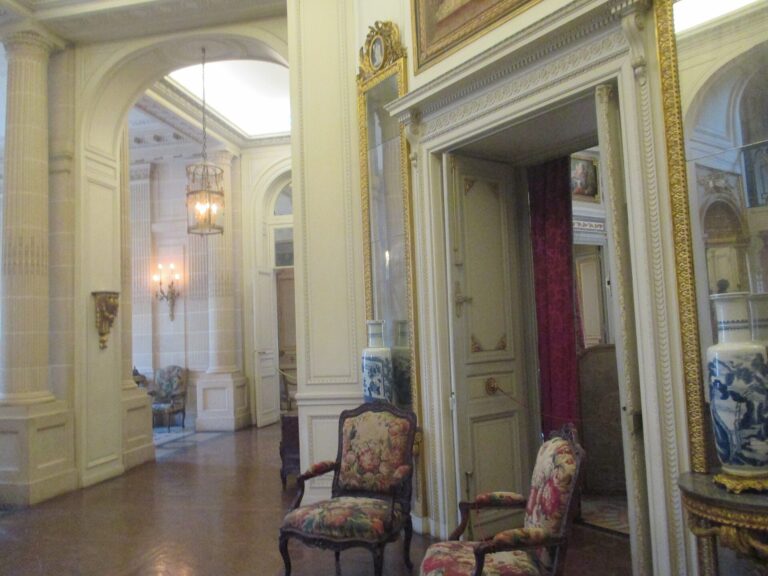
The entrance vestibule and initial reception spaces are intimate, maintaining the feel of a private residence rather than a large, institutional facility. This framing sets visitors in a mood of discovery reminiscent of entering a collector’s cabinet or a period home filled with curiosities. The museum’s identity as a space that intertwines culture and nature is quickly communicated through the display of mounted animals, period furniture, hunting trophies, and eclectic decorative objects before visitors move deeper into the galleries.
There is no grand lobby or conventional museographic staging here; the presentation instead emphasizes atmosphere and thematic immersion. Visitors are thus subtly prepared for an experience that oscillates between the historic and the naturalistic, between display and narrative. This approach may favour those with patience and attention to detail, rather than a brisk tourist seeking a linear chronological exhibition.
Highlights and Key Exhibitions
The core of the Musée de la Chasse et de la Nature’s collection lies in its diverse range of artifacts related to hunting and nature, spanning several centuries. Among the highlights are intricately crafted weaponry such as hunting rifles and crossbows, showcasing technological development as well as the artistry of gunsmiths and metalworkers. These objects are often installed alongside hunting horns, falconry equipment, and other specialized gear, underscoring the multifaceted nature of the hunt.
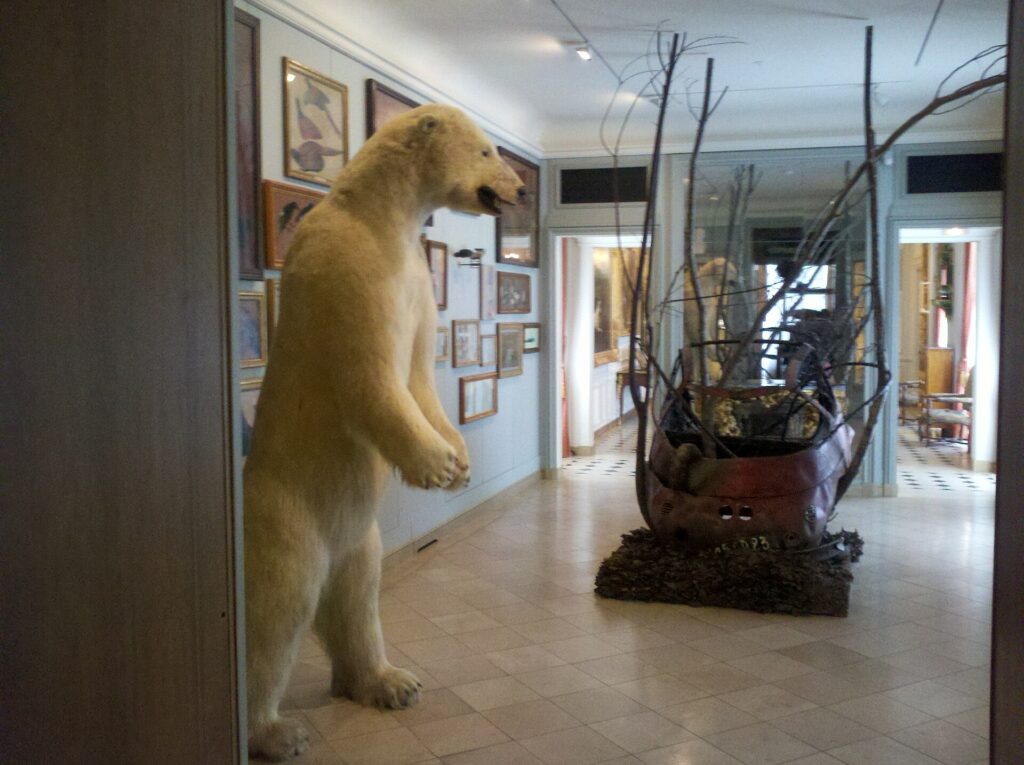
Equally prominent are the taxidermied animals, some displayed in dramatic or lifelike poses, which represent species once pursued or honored in various cultural contexts. The taxidermy itself is an art form here, with many pieces dating back to the 18th and 19th centuries, reflecting changing attitudes toward preservation and the natural world. These mounts stand as historical documents as much as zoological specimens, illustrating the intersection of science, aesthetics, and hunting practice.
Visitors will also find a notable collection of paintings, prints, and sculptures that depict animals, hunters, and forest landscapes. Works by artists such as François Desportes and Jean-Baptiste Oudry, known for their animal portraits and hunting scenes, feature prominently. These artworks reveal how hunting was idealized, mythologized, or scrutinized over time, highlighting human-animal relationships from various angles—be it nobility, sport, or folklore. The inclusion of modern and contemporary art pieces further complicates the narrative, showing the continuing cultural engagement with hunting and nature beyond purely historical documentation.
Complementing the objects and artworks are carefully arranged interior rooms designed to resemble a nobleman’s hunting lodge, complete with period furniture, cabinets, and decorative arts. These spaces offer an atmospheric context for the objects, linking them to lifestyles and social practices of the past. Ornate wallpapers and elaborate ceiling decorations support this immersive setting without overwhelming the individual exhibits.
Importantly, the museum’s curators set out to explore hunting from various perspectives, including the ecological and ethical concerns it raises today. Though not overtly activist in tone, some displays hint at the ambivalence and changing meanings associated with hunting in modern society. Some educational material and mounted specimens address conservation issues and the balance between human activity and wildlife preservation.
Overall, the collection is eclectic but coherent, speaking to a broad historical timeframe and multiple cultural origins. It spans from technical and decorative hunting equipment to art and taxidermy, interconnected through the theme of human engagement with animals. However, visitors should note that the museum does not present a comprehensive global overview of hunting traditions or natural history; its focus remains primarily European, with a French emphasis.
Visitor Experience
The Musée de la Chasse et de la Nature is suited to visitors who enjoy detailed, thematic exploration rather than a straightforward timeline. The museum's layout, spread over several floors in two adjoining historic houses, encourages wandering through interconnected rooms rather than following a strict circuit. This arrangement can foster an intimate and contemplative visitor experience but may challenge those who prefer clear directional signage and linear storytelling.
Interpretation relies heavily on the objects themselves, supported by written labels and occasional thematic panels. The museum leans toward a traditional museological presentation style, with less use of digital media or interactive displays. For visitors keen on deep reading and observation, this can be a strength; for others, the experience may feel demanding or less accessible, particularly for younger audiences or those with limited prior knowledge of hunting history or natural sciences.
One notable aspect is the museum’s atmosphere, which is often described as evocative and at times theatrical. The combination of historic interiors, atmospheric lighting, and the juxtaposition of art, taxidermy, and weaponry creates a sensory complexity that enhances the themes of the exhibition. However, this approach also carries the risk of sensory overload or confusion if visitors do not have a clear conceptual framework from the start.
The museum’s audience is likely to be varied but skews toward visitors with interests in natural history, art history, cultural anthropology, and conservation. The niche focus on hunting may not appeal equally to everyone; those seeking more neutral or purely scientific natural history content will find limited coverage. Likewise, the museum does not present detailed ethical debates on hunting but rather approaches the subject through cultural artifacts and historical contexts.
Crowd levels and visitor flow can influence the experience significantly. Given its relatively small size and location away from Paris’s most heavily trafficked tourist circuits, the museum often offers a quieter alternative to larger institutions, allowing for considered viewing. Nonetheless, the compactness of spaces means the environment can feel a little congested during busier periods or peak seasons.
Tickets, Access, and Planning
While practical details like current opening hours, ticket prices, and available guided tours vary and are subject to change, interested visitors should refer to the official museum website before planning a visit. The website typically provides the latest information regarding admission fees, discounts for certain groups, hours of operation, special access accommodations, and any temporary interruptions to normal service.
The museum is located in the Le Marais area of Paris, which is accessible by public transit, but details about specific transit stops, parking availability, or on-site amenities should be double-checked through official channels. The absence of dedicated on-site parking or large visitor facilities is common for many Parisian historic sites, so planning arrival and departure logistics in advance is advisable.
For visitors with mobility concerns, the museum comprises historic buildings with characteristic structural limitations. Current accessibility arrangements and support options are best confirmed directly through the museum’s visitor services.
Finally, as with many specialized museums in Paris, peak times tend to be more subdued outside weekends or public holidays, but potential visitors should consider seasonal tourism trends in Paris when scheduling their visit.
Final Verdict
The Musée de la Chasse et de la Nature offers a distinct and thoughtful presentation of hunting and nature through historical artifacts, art, and natural specimens. Its strength lies in the blending of cultural history with natural history, housed within atmospheric historical buildings that enhance the sense of entering a unique, private world. This museum is most rewarding for visitors with interests in the intersections of art, history, and wildlife, and who appreciate a non-linear, intimate exhibition experience.
That said, the museum’s focus on European hunting traditions and largely aristocratic collection base may limit its appeal to those seeking a broader or more globalized perspective. The interpretive approach favors traditional textual information and object-centered display, which may require patience and curiosity from visitors. The relatively small-scale layout, while fostering intimacy, can feel constrained or crowded at times.
Moreover, the thematic focus on hunting means the museum does not fully satisfy either specialist naturalists seeking exhaustive scientific displays or audiences looking for a critical or activist discourse on hunting ethics. Instead, it presents a cultural-historical lens that is nuanced but cautiously framed.
For those prepared to engage with its unique subject matter and style, the Musée de la Chasse et de la Nature stands as a differentiated Parisian museum offering substantial visual and intellectual appeal beyond mainstream attractions. Prospective visitors should consult the official resources for current visiting conditions and consider their personal interests and access needs before including this museum in their Paris itinerary.