Musée de la Chasse et de la Nature
Natural History Museums · Paris, France. The Musée de la Chasse et de la Nature in Paris is a specialized museum dedicated to hunting and nature, presenting these themes through a combination of art, artifacts, and natural history. Situated in…
Best forMuseum lovers, culture travelers, first-time visitors
Setting / nearbyParis, France
Overview
The Musée de la Chasse et de la Nature in Paris is a specialized museum dedicated to hunting and nature, presenting these themes through a combination of art, artifacts, and natural history. Situated in the heart of the historic Le Marais district, this museum offers a distinct perspective on the cultural and environmental aspects of hunting, a practice that has played a significant role in human history and society, particularly in France. Rather than focusing on hunting in a purely sporting or utilitarian sense, the museum explores its symbolic meanings, its relationship to nature, and its artistic representations.
This institution stands apart from traditional natural history or art museums by marrying these disciplines. It invites visitors to consider hunting as a cultural phenomenon intertwined with human interaction with wildlife, the wilderness, and conservation. It is a place where centuries-old traditions meet contemporary ideas about nature and animal life.
Collection Highlights
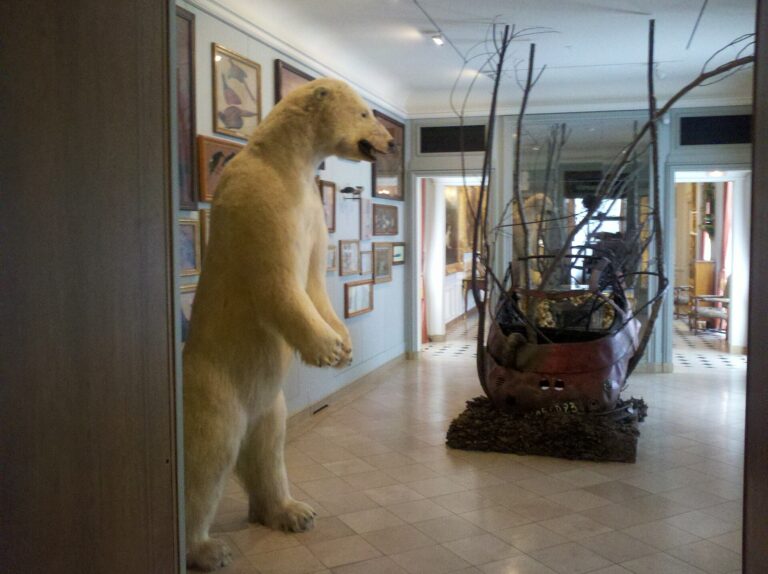
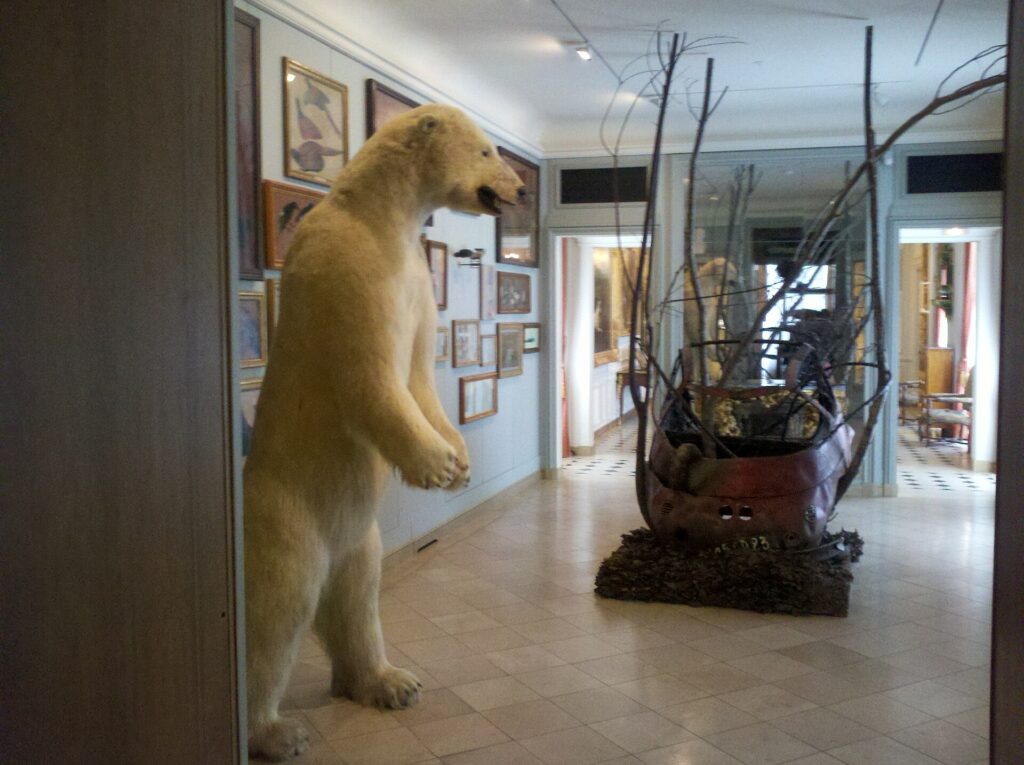
The collection spans several centuries and includes hunting weapons, taxidermy specimens, paintings, sculptures, and decorative objects. The artifacts are curated to reflect not only the technical aspects of hunting tools but also their aesthetic qualities and symbolic connotations. Visitors encounter finely crafted firearms and bows alongside taxidermy displays that range from lifelike animal mounts to artistic installations challenging how we perceive wildlife.
Among the noteworthy elements are historical hunting rifles that showcase the craftsmanship of firearm makers and their evolution over time. Meanwhile, taxidermy pieces are presented not just as trophies but as preserved natural forms, sometimes contrasted with artistic interpretations that provoke reflection on human relationships with animals.
The paintings and sculptures further enrich the story, representing hunting scenes, allegories of nature, and portraits of animals that often embody deeper philosophical or cultural meanings. The museum’s interdisciplinary approach relies on such juxtapositions between arts and natural history objects, encouraging visitors to look beyond the literal and to consider broader questions about humanity’s role in nature.
In addition, the museum has curated environments within its rooms that evoke the rich atmosphere of hunting lodges and period interiors, creating immersive contexts for the collection’s items. This design choice helps to frame the exhibits as parts of living traditions rather than static displays.
Building and Setting
The museum is housed in two historic private mansions (hôtels particuliers) on the Rue des Archives in Paris’s 3rd arrondissement. These buildings date back to the 17th and 18th centuries and retain much of their original architectural character, including decorative wood paneling, fireplaces, and richly designed staircases. This setting contributes to the museum’s intimate atmosphere and offers a tangible connection to the aristocratic and social milieus historically associated with hunting.
The layout of the premises reflects the combination of museum and house museum traditions, with rooms arranged to encourage careful looking and a sense of discovery. The compact scale makes for a focused visit but also means the spaces can become crowded during peak times, which may affect the visitor experience. The museum’s location in Le Marais places it within a dense urban fabric known for its historical buildings and cultural institutions, making it accessible for those exploring the broader district.
Practical Information
Visitors planning a trip to the Musée de la Chasse et de la Nature should consult the museum’s official website to verify the latest information on opening hours, ticketing, accessibility, and visitor services. Given the museum’s specialized nature and relatively limited size, it may not be suited for large groups or very young children, though individual interests and educational goals vary.
The museum’s layout involves staircases and rooms of varying size, which could present challenges for visitors with mobility restrictions. Confirming accessibility options in advance is advisable. While the building’s historic character is a major part of its appeal, this can sometimes limit the display or visitor circulation options compared to contemporary museum designs.
Visitors expecting a conventional natural history or art museum might find the museum’s thematic focus unusual. Some installations and taxidermy arrangements may raise ethical questions or prompt reflection on hunting and conservation debates, making the museum particularly suited for those willing to engage with these complexities.
Why Visit
Choosing to visit the Musée de la Chasse et de la Nature offers an opportunity to engage with a museum that approaches its subject matter in a way that is both culturally and visually rich. For those interested in the history of hunting, the museum provides access to a collection that goes beyond technical or sporting aspects, instead exploring hunting as a cultural phenomenon with deep historical roots and many layers of meaning.
The museum is notable for its unusual curatorial approach, blending art and nature to offer a reflective experience that touches on human relationships with wildlife and the environment. It can serve as a starting point for considering broader themes such as humanity’s impact on nature, the symbolism of animals, and changing attitudes toward conservation and animal rights.
At the same time, the museum’s size and the density of its displays may challenge casual visitors unaccustomed to focused thematic museums. Those with a particular interest in French cultural history, aristocratic traditions, or the interplay between art and the natural world may find the experience especially rewarding.
In summary, the Musée de la Chasse et de la Nature occupies a unique niche in the Parisian museum ecosystem. It is not a broad natural history museum nor a conventional art gallery but a place where multiple perspectives on hunting and nature meet. For the thoughtful visitor, it offers an opportunity to encounter a complex and occasionally challenging collection presented in a historic setting that itself speaks of the cultural histories it holds. Before planning a visit, checking the museum’s official information ensures a smooth experience tailored to one’s interests and needs.