Musée du Luxembourg Review
Art Museums · Paris, France. The Musée du Luxembourg, located in the historic Luxembourg Palace gardens in Paris, holds a significant place in the French cultural landscape, particularly in the realm of art exhibition. Established in 1750, it initially…
Art Museums · Paris, France. The Musée du Luxembourg, located in the historic Luxembourg Palace gardens in Paris, holds a significant place in the French cultural landscape, particularly in the realm of art exhibition. Established in 1750, it initially…
Best forMuseum lovers, culture travelers, first-time visitors
Review focusCollections, visitor experience, and practical planning
Historical Context
The Musée du Luxembourg, located in the historic Luxembourg Palace gardens in Paris, holds a significant place in the French cultural landscape, particularly in the realm of art exhibition. Established in 1750, it initially functioned as a museum dedicated to contemporary art, specifically presenting works by living artists—a somewhat pioneering concept for its time. It operated under this mission until the early 20th century, influencing the display and reception of modern art in France and beyond. Post-1927, the museum’s role evolved, eventually becoming a venue for temporary exhibitions focusing on various art historical periods, thematic studies, and occasionally non-European cultures.
Situated within the Luxembourg Palace grounds, the museum shares a cultural precinct that includes both the National Assembly and the celebrated Luxembourg Gardens, adding to the layered historical and urban context. Over the years, the Musée du Luxembourg has adapted to changing curatorial and museological trends, shifting from its initial narrow mandate to a broader, more inclusive exhibition scope. This adaptability forms part of its ongoing relevance in Paris’s dense and competitive museum scene, where numerous institutions vie for visitors’ attention with permanent collections or expansive narratives. The museum’s commitment to temporary exhibitions allows it to remain dynamic and responsive to current scholarly and public interests, positioning it as a compact space where targeted shows can be staged with a degree of flexibility not possible in larger institutions.
What You See on Arrival
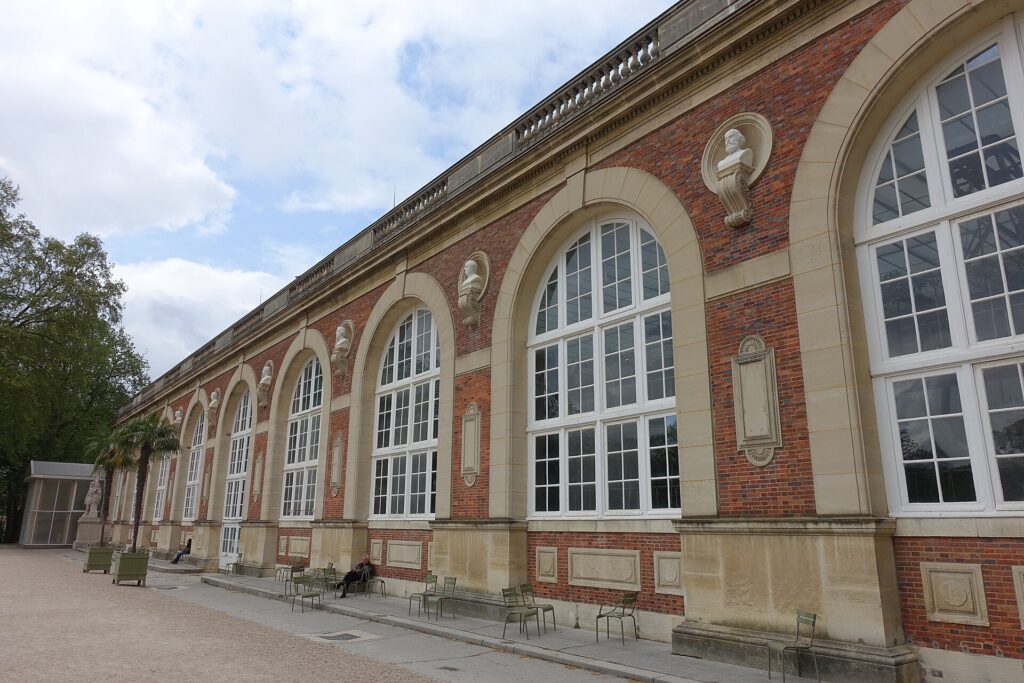
Encountering the Musée du Luxembourg, visitors are met with a building that reflects its 19th-century origins and its prestigious setting within the Senate’s gardens. The museum exterior conveys a restrained elegance, framed by the formal landscape of the Luxembourg Gardens, which serves as an inviting green buffer from the surrounding city. This context contributes to a contemplative attitude on arrival, framing the museum less as a bustling tourist hub and more as a site for focused appreciation of art.
Inside, the museum’s layout typically supports exhibitions spread over several rooms, each suited to distinct themes or time frames. The scale of the museum is modest compared to larger Paris institutions, which can be an advantage for visitors seeking concentrated engagement without the exhaustion often associated with sprawling art museums. The entrance area provides clear orientation toward current exhibitions, often accompanied by wall texts and introductory panels that situate the forthcoming experience.
Overall, the museum’s identity is that of a temporary exhibition space relying on curatorial rigor and thematic clarity. Unlike institutions anchored by permanent collections, the Musée du Luxembourg offers an evolving program that positions visitors for fresh dialogues with art each time they enter, inviting repeat visits from those interested in contemporary exhibition practices or specific thematic focuses.
Highlights and Key Exhibitions
The Musée du Luxembourg is particularly recognized for hosting temporary exhibitions that explore diverse art historical subjects. These shows often bring together loans from public and private collections, resulting in exhibitions that can range across periods and styles. This strategy allows the museum to spotlight artists or themes that might not be as prominently addressed elsewhere, often providing a depth of focus unexpected in a mid-sized venue.
Historically, the museum’s programming has included notable retrospectives of 19th- and 20th-century art, informed by its heritage as a space committed to modern and contemporary works. Exhibitions have frequently highlighted French painters but expanded to embrace international artists, broadening the museum’s narrative beyond a purely national framework. Subject matters have spanned impressionism, symbolist painting, sculpture, and the development of modern artistic movements, reflective of France’s critical role in shaping modern art.
One strength of the Musée du Luxembourg is its capacity to create exhibitions that are both scholarly and accessible to a general audience. The thematic choices tend to be clear and well-structured, facilitating learning without overwhelming the visitor. The museum often emphasizes biographical and artistic contexts, helping to situate artworks meaningfully.
While the museum itself does not maintain a permanent collection open to the public, its temporary exhibitions sometimes draw from the collections of prominent French institutions, such as the Louvre or the Musée d’Orsay. This lends a scholarly weight to the exhibitions and enables significant artifacts or paintings to be accessible in an intimate setting.
On occasion, the museum has also presented exhibitions devoted to decorative arts or to movements at the intersection of art and society, reflecting an openness to varied artistic expressions and the changing museum culture toward interdisciplinary approaches. However, the absence of a permanent collection means that visitors seeking a consistent representation of art history should be prepared to approach the museum as a space of episodic encounters rather than continuous narratives.
Visitor Experience
The visitor experience at the Musée du Luxembourg is shaped by its size, exhibition model, and setting. Its limited footprint tends to keep visits manageable, which benefits those looking for focused cultural outings without the vast scale of larger museums. The changing exhibitions require visitors to engage with new content on each visit, which can appeal to repeat visitors with specific art interests.
Interpretive materials generally serve as a useful complement to the artwork on display. Wall labels are usually concise but informative, which supports visitors of varying prior knowledge without being overly simplistic or dense. The museum typically balances detailed explanations with visual presentation, allowing for both study and aesthetic enjoyment.
Given the focus on temporary exhibitions that often bring together disparate works, room layout and flow can vary considerably between shows, but the museum generally arranges spaces to maintain a logical narrative or thematic progression. This contributes to a clear visitor path that helps maintain engagement and comprehension, minimizing confusion.
The museum’s position in the Luxembourg Gardens also quietly enhances the visitor experience. Visitors can combine a visit with a stroll in the gardens, allowing for a break before or after the museum visit and offering a reflective green space removed from the urban clamor. This combination can extend the overall experience beyond the walls of the museum itself.
The museum, however, is not aimed at children or casual visitors seeking interactive or multimedia-heavy experiences. It is better suited to an audience comfortable with traditional exhibition formats and text-based interpretation. Visitors requiring extensive multilingual options or broad accessibility features will need to consult the institution’s current provisions directly.
Tickets, Access, and Planning
Visitors considering a trip to the Musée du Luxembourg should be aware that details on ticketing, opening hours, and accessibility features may vary and should be confirmed via the museum’s official website prior to the visit. The museum’s location in central Paris makes it accessible via public transportation, and the surrounding Luxembourg Gardens and Senate neighborhood are well served by multiple transit lines.
Because the museum is primarily an exhibition venue focusing on temporary shows, ticketing policies might differ significantly depending on the exhibition on view. Some exhibitions may be included in joint Paris museum passes, while others might require a separate entry fee. Conversely, access for certain groups or on specific days may be regulated differently, so up-to-date information is essential.
The museum’s moderate size means that large crowds are less common than at major Paris museums, but the popularity of particular exhibitions can affect visitor flow and necessitate some planning. Those interested in specific exhibitions are advised to check timing and possible booking requirements beforehand.
Final Verdict
The Musée du Luxembourg occupies a particular niche in Paris’s museum ecology, offering thoughtfully curated temporary exhibitions within a manageable and historically resonant setting. Its strength lies in its ability to present focused thematic or artist-centered shows with scholarly backing, accessible to visitors willing to engage with traditional museum presentation styles.
While it does not offer a permanent collection for continuous exploration, this opens possibilities for a changing program reflecting diverse facets of art history and contemporary artistic practice. The museum suits visitors who already have an interest in European art and who appreciate concise, well-organized exhibitions rather than broad, encyclopedic displays.
Limitations include a lack of interactive or family-oriented facilities and less emphasis on multimedia or alternative interpretive approaches. Accessibility and visitor amenities should be verified ahead of time, as comprehensive information is not always prominent.
For those planning a visit, the Musée du Luxembourg offers a chance to experience evolving exhibitions in a location rich with historical associations and peaceful surroundings. It is a space where dedicated art enthusiasts can explore tightly focused themes and artworks in atmosphere that encourages concentration. However, it may not satisfy all types of visitors equally, particularly those looking for permanent collections or highly diversified interpretive experiences. As always with specialized exhibition venues, advance research and flexible expectations will yield the most rewarding visits.