IVAM Review
Art Museums · Valencia, Spain. The Institut Valencià d’Art Modern (IVAM) in Valencia stands as one of Spain’s foremost institutions specifically devoted to modern and contemporary art. Founded in 1986, it was the first museum of its kind in…
Art Museums · Valencia, Spain. The Institut Valencià d’Art Modern (IVAM) in Valencia stands as one of Spain’s foremost institutions specifically devoted to modern and contemporary art. Founded in 1986, it was the first museum of its kind in…
Best forMuseum lovers, culture travelers, first-time visitors
Review focusCollections, visitor experience, and practical planning
Historical Context
The Institut Valencià d’Art Modern (IVAM) in Valencia stands as one of Spain’s foremost institutions specifically devoted to modern and contemporary art. Founded in 1986, it was the first museum of its kind in the country to concentrate exclusively on 20th-century and present-day artistic practices. Its establishment came at a time when Spain was consolidating its democratic identity and cultural infrastructure following decades of dictatorship. IVAM emerged as part of the Valencian community’s broader efforts to position itself within international cultural conversations and to cultivate local artistic talent alongside recognized figures of modernism.
Over the years, IVAM has developed a distinctive profile by focusing on avant-garde movements both within Spain and beyond, with a particular interest in the Valencian artistic scene. It has built a significant permanent collection marked by diversity in media and approach, featuring drawings, paintings, sculptures, photography, and installation art. IVAM’s collections include many emblematic artists of the 20th century, as well as figures pivotal to Spanish art history, such as Julio González and Joaquín Sorolla, whose works reflect diverse modernist explorations from Cubism to Expressionism.
In addition to its collection, IVAM has been a platform for research and dialogue around modern art’s evolving language, exploring themes related to abstraction, geometric art, and experimental disciplines. Its reputation extends as a cultural catalyst within Valencia—contributing to the city’s artistic identity while engaging with pressing contemporary issues through art. The museum occupies an important position in Spain’s art ecosystem, balancing its public mission with the challenges of contemporary museum practice in a medium-sized European city.
What You See on Arrival
Approaching IVAM, visitors confront a modernist architectural presence that signals the museum’s focus on art from the 20th century onward. The building’s design, completed in the late 20th century, reflects its mission through clean lines and functional, light-filled spaces, a notable departure from older, more traditional museum environments. It presents itself as a public institution dedicated to artistic innovation and education, while maintaining an accessible and somewhat understated street-level presence in the urban fabric of Valencia.
Visitors entering IVAM are immediately aware that the museum cultivates a serious yet open approach to modern and contemporary art. The entrance and lobby area are designed to serve both as a welcoming threshold and as a space where visitors can orient themselves to the exhibitions and programming on offer. The architectural clarity supports clear circulation routes that facilitate a logical progression through the galleries. While the building does not overwhelm the visitor with grandiose gestures, it’s functional and respectful of the works it houses.
Signage and display in the entrance areas are straightforward, reflecting IVAM’s institutional commitment to accessibility without over-simplification. Given its focus, the museum’s identity is firmly rooted in the modernist tradition but with an understanding that art is dynamic and open to evolving interpretations. As a result, visitors can expect an environment that treats art both as a historical phenomenon and as a living practice.
Highlights and Key Exhibitions
IVAM’s permanent collection stands at the core of its presentation. It is broad in scope but focused on modern art styles, especially those with connections to Valencia and Spain’s artistic heritage. A key strength of the collection is its representation of geometric abstraction and constructivist tendencies, featuring artists who engaged with formal experimentation and spatial concerns. This includes notable contributions by Spanish artists who were pivotal within these movements, emphasizing both local engagement and international dialogue.
One of the museum’s standout areas is its holdings related to Julio González, a Catalan sculptor considered a pioneer in iron sculpture and an important figure in the development of modernist three-dimensional work. IVAM’s collection includes several significant pieces that demonstrate González’s integration of industrial materials and techniques within artistic practice. These works help visitors understand the intersection of craftsmanship, industry, and modern art innovations through the early 20th century.
Another important aspect of IVAM’s collection is its commitment to the experimental and to underrepresented voices in modern art. This includes works by women artists and those who worked in more marginal or emerging media during the 20th and 21st centuries. The museum appropriately contextualizes these contributions within broader narratives of modernity, expanding the canonical view to include new perspectives and practices.
In addition to painting and sculpture, IVAM has sizeable photography and graphic arts collections that offer insights into modern visual culture. The museum pays attention to the interpretative relationship between form and content, showcasing works that challenge traditional representational norms or investigate new modes of expression tied to the social and political contexts of their time.
While IVAM’s scope allows it to cover a wide chronological range of modern and contemporary art, it has a particular focus on the interwar period, the Spanish avant-garde, and developments after the Spanish Civil War. This provides a valuable framework for understanding how art functioned and evolved under difficult political conditions, and how artists negotiated identity, innovation, and resistance.
The museum also supports performance art, video art, and installation, reflecting contemporary trends that extend the definition of what a museum can present as part of modern art. While the core collection is relatively fixed, temporary exhibitions tend to complement these themes without dominating the institution’s ongoing mission. Visitors interested in the trajectories of modern and contemporary art will find IVAM’s exhibitions offer a thoughtful balance between canonical pieces and experimental works.
Visitor Experience
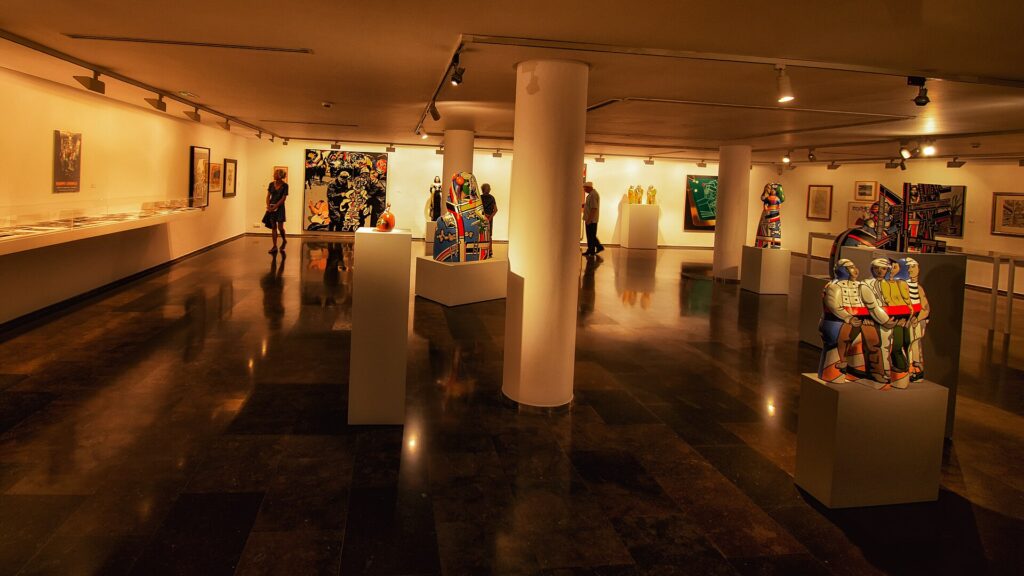
Visitors to IVAM are likely to appreciate a museum that values intellectual engagement and offers well-curated, clearly explained exhibitions. The layout encourages a measured pace, allowing time for reflection without feeling rushed. The spaces vary in size but generally maintain a sense of openness conducive to viewing modernist and contemporary pieces, which often require breathing room to be fully appreciated.
Interpretative materials are typically concise and informative, avoiding overly academic or jargon-heavy language. This makes the exhibitions accessible to a broad audience—from scholars and students to casual visitors with an interest in art—without diluting the complexity of the works. Labeling and information panels tend to include contextual details about the artists’ lives, artistic techniques, and historical background, enhancing comprehension.
One potential limitation for visitors might be the museum’s focus. Those without a preexisting interest in modern or contemporary art may find IVAM less engaging than museums with more diverse chronological holdings or a stronger emphasis on classical or historical art. The specialization demands a certain openness to abstraction, conceptual art, and avant-garde aesthetics. However, for those inclined toward these areas, the museum offers a rich and coherent narrative that is well grounded in scholarship and curatorial expertise.
Another consideration is the museum’s scale. While IVAM is not among Europe’s largest art museums, it makes effective use of its space to present an integrated vision of modern art. Its size makes it approachable without overwhelming, but visitors should not expect huge blockbuster exhibitions or extensive multi-floor displays typical of major metropolitan institutions.
Overall, IVAM’s programming and permanent displays suggest a museum comfortable with its identity and confident in its ability to foster dialogue around modern artistic practices. The experience is deliberately thoughtful, encouraging visitors to engage actively with the questions and histories the artworks pose rather than delivering straightforward entertainment.
Tickets, Access, and Planning
Practical information about tickets, opening hours, guided tours, and visitor services like café or shops should be confirmed through IVAM’s official website before planning a visit, as these details can change and are not always standardized. This precaution is particularly important given that museums sometimes adjust hours due to temporary exhibitions, local holidays, or evolving public health requirements.
Access to the museum is generally considered convenient within the urban context of Valencia. Its location is integrated into the city’s public transport network, though the specifics of parking and accessibility for people with reduced mobility should be verified per individual needs. Visitors should also consult the official site regarding any booking requirements or limits on group visits to ensure a smooth arrival.
If planning a visit focused on particular collection areas or exhibitions, checking IVAM’s calendar in advance is advisable. This can help avoid disappointment if some galleries are closed for rotation or maintenance. As with many institutions focusing on modern and contemporary art, timed-entry tickets or visitor caps may be in place, particularly for weekend visits or special events.
Final Verdict
IVAM offers a focused and intellectually rigorous experience centered on modern and contemporary art with particular resonance for Spain and Valencia’s artistic milieu. Its permanent collection encompasses key twentieth-century movements such as geometric abstraction and constructivism, alongside significant works by notable Spanish artists. The institution’s strength lies in its ability to balance local relevance with international currents, granting visitors insight into the development of art during complex political and social periods.
The museum’s physical environment complements its collection strategy, presenting artworks in spaces that respect their scale and intent without unnecessary theatricality. Interpretation is clear and thoughtfully paced, making it suitable both for knowledgeable visitors seeking depth and for newcomers willing to engage with modern art’s challenges.
Visitors less familiar with non-figurative or experimental art forms may find IVAM demanding, as the museum does not dilute its modernist focus for broader appeal. However, for those interested in 20th-century art and its ongoing evolution, the museum offers a valuable destination that goes beyond surface-level engagement. Its size and curatorial commitment ensure that visits can be meaningful without becoming overwhelming or rushed.
In sum, IVAM fulfills an important role within Valencia’s cultural landscape and the wider Spanish museum scene. It stands as a serious institution dedicated to modern art’s complexities and histories, presenting a curated experience that encourages reflection and dialogue. Potential visitors should keep in mind the museum’s specialization and confirm logistical details before visiting, but those with an interest in modern and contemporary visual culture will find IVAM a thoughtfully conceived and well-maintained facility.