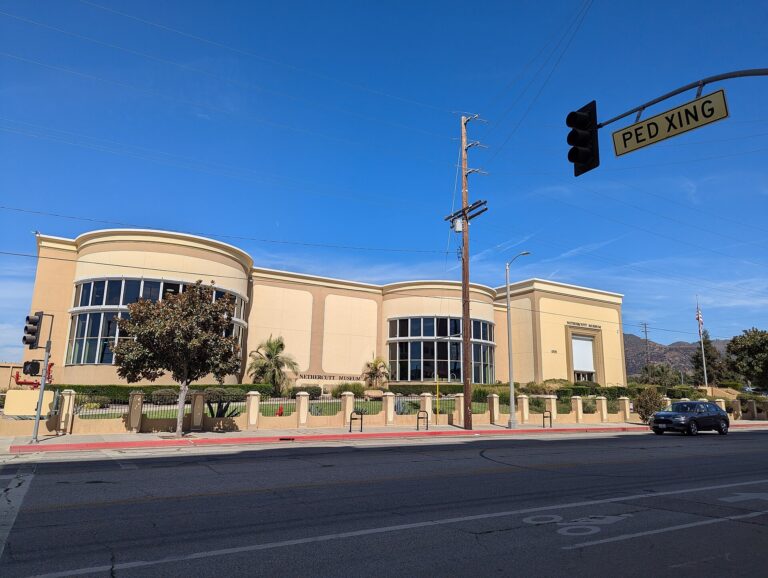
LeMay America’s Car Museum
Automobile Museums · Tacoma, United States. LeMay America’s Car Museum in Tacoma, Washington, is a museum dedicated to the history and culture of the automobile in the United States. Founded on the extensive private collection of Harold LeMay, the museum…
Best forClassic cars, automotive design, motoring heritage
Setting / nearbyTacoma, United States
Overview
LeMay America’s Car Museum in Tacoma, Washington, is a museum dedicated to the history and culture of the automobile in the United States. Founded on the extensive private collection of Harold LeMay, the museum presents an extensive array of vehicles that trace the evolution of American car design, engineering, and society’s relationship with motoring. It stands not simply as a repository of vintage vehicles, but as a specialized institution focused on the motor vehicle’s role in American life, technology, and industry over the last century and more.
The museum’s identity is rooted in its dedication to preserving and showcasing automobiles as artifacts that reveal aspects of design trends, manufacturing achievements, and social history. While it centers primarily on American cars, the thematic scope includes relevant developments in automotive innovation, culture, and the changing landscape of transportation. This specificity places the museum as a dedicated car museum rather than a general history or technology institution, making it a focused destination for anyone interested in cars beyond mere nostalgia or spectacle.
Collection Highlights
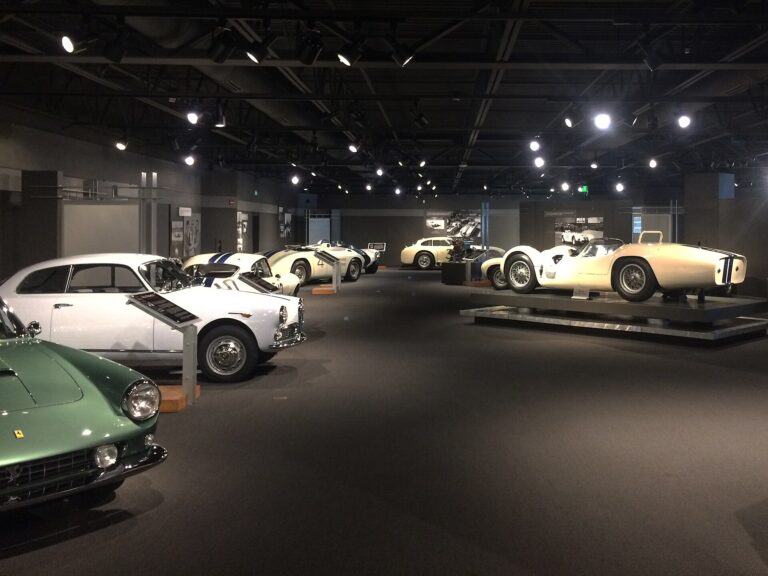
The heart of the museum is its collection of thousands of vehicles that encompass many styles, makes, and periods of American automotive history. Visitors can expect to see a wide range of cars, including early 20th-century models that reveal the infancy of the automobile industry, as well as mid-century classics that reflect postwar design boom and innovation. The collection spans not only passenger cars but also race cars, trucks, and perhaps other automotive-related artifacts that illustrate the diversity of automotive use and culture in the United States.
Among the highlights are examples of craftsmanship and engineering evolution, such as cars with notable designs, rare or historically significant models, and sometimes customized or unique vehicles that demonstrate personal and popular expressions through cars. It is reasonable to expect that the museum emphasizes American makes and models heavily, though some cross-influences or international entries may appear to give context on the global influence of the American automotive industry.
The museum also features exhibits that explore the broader themes of car culture, including innovations in manufacturing, shifts in consumer preferences, and cars’ impact on American lifestyles and landscapes. While the visitor will find many impressive vehicles, the museum’s educational focus includes putting them in perspective as technological artifacts and agents of cultural change.
Building and Setting
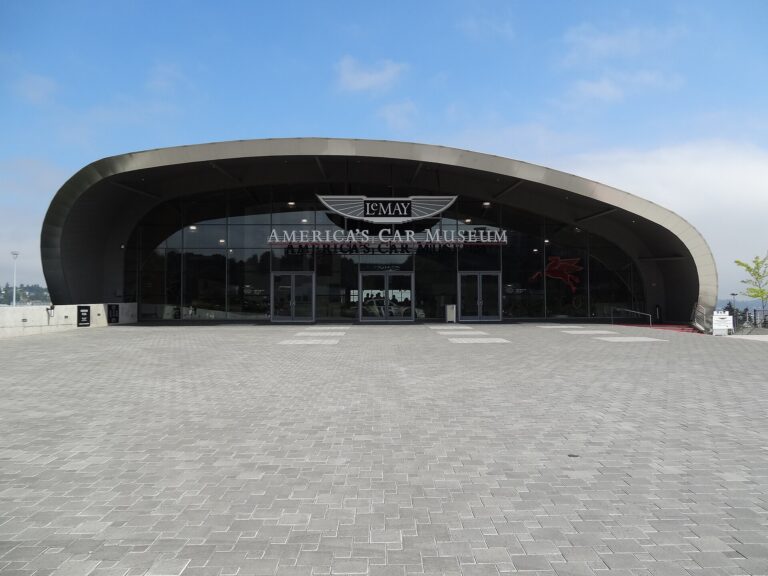
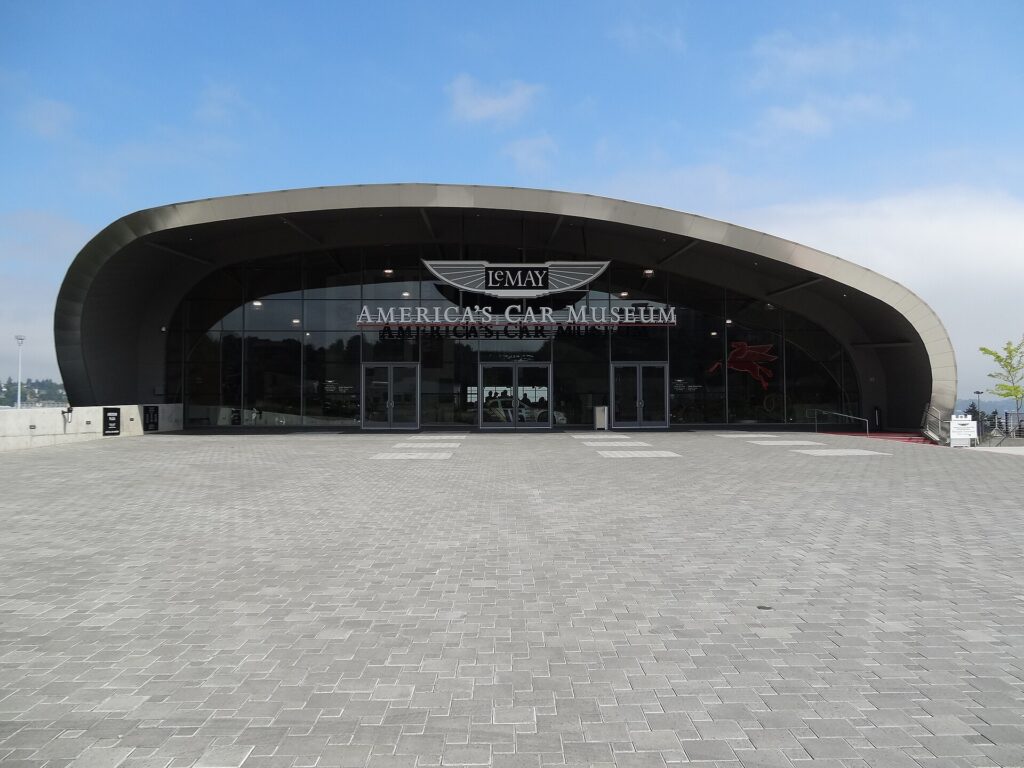
LeMay America’s Car Museum occupies a modern building designed specifically to host and display this automobile collection. Its architecture is functional and purposeful, aiming to provide ample space to accommodate a large number of vehicles while facilitating visitor flow and exhibit visibility. The design may emphasize cleanliness and openness, often associated with contemporary museum standards, allowing natural light and spacious interiors that show off the vehicles effectively.
Located in Tacoma, the museum benefits from the city’s accessibility and infrastructure while contributing to the area’s cultural landscape. It is situated in an area that supports easy access for visitors arriving by car or public transportation, though specific details about parking or access should be confirmed prior to visiting. The site also sometimes hosts events and temporary exhibitions that complement the permanent collection, taking advantage of the flexible interior spaces.
While the setting is urban-suburban, the museum grounds and entrance areas may feature automotive-themed landscaping or outdoor displays. This enhances the contextual experience and prepares visitors for a focused and sizeable automobile exhibit ahead.
Practical Information
For those planning a visit, it is important to consult LeMay America’s Car Museum’s official website or contact the museum directly for up-to-date information on opening hours, admission fees, available discounts, guided tours, audio guides, accessibility accommodations, and amenities. These details can change and may vary seasonally or due to special circumstances.
The museum is suitable for a wide range of visitors, from automobile enthusiasts and historians to families and casual visitors interested in design and cultural history. Because the exhibits focus on vehicles and related artifacts, visitors should be prepared for a largely visual and object-centered experience rather than participatory or interactive displays, although the museum may incorporate multimedia elements or interpretative panels to enrich understanding.
Due to the size of the collection and the building, visitors may find it helpful to plan their visit in advance and decide which parts of the collection to focus on. The museum’s layout typically supports an accessible route through the exhibits but clarity on visitor flow and navigation can be found through museum maps or staff assistance.
Why Visit
LeMay America’s Car Museum offers a uniquely focused experience for those interested in the role of the automobile in American history and culture. Its collection provides a tangible and visual timeline of automotive development, from early models to significant classics. This makes it a valuable resource not only for car enthusiasts but also for people curious about 20th-century American industrial design, transportation history, and cultural change driven by mobility.
The museum’s scale and presentation create a space where historical vehicles are treated as preserved artifacts rather than just collectible items. This perspective can broaden visitors’ appreciation for cars as objects shaped by technological innovation and social context, rather than solely by brand loyalty or nostalgia. For educators and students, the museum can serve as a setting for exploring themes of manufacturing, design, and cultural shifts around automobiles.
However, those hoping for extensive interactive or technology-heavy exhibits might encounter a more traditional museum display style focused on physical vehicles and related collections. Visitors with limited prior interest in cars or American automotive history might find parts of the museum less engaging if their focus is elsewhere. Still, the museum’s clear presentation and interpretative materials tend to accommodate a variety of backgrounds.
In summary, the museum is well-suited for visitors intrigued by the tangible history of cars in America, the design and craftsmanship involved, and the social stories these vehicles embody. It complements other more general history or technology museums by concentrating on a specific but culturally important aspect of American life and innovation.
Before planning a visit, it is advisable to verify practical details well in advance through official channels to ensure the best experience. The museum’s website remains the safest resource for such current information.