Lane Motor Museum
Automobile Museums · Nashville, United States. The Lane Motor Museum in Nashville, Tennessee, is a specialized automobile museum focusing on unique and historically significant vehicles. Unlike more general automotive museums that emphasize mainstream car production or motorspor…
Best forClassic cars, automotive design, motoring heritage
Setting / nearbyNashville, United States
Overview
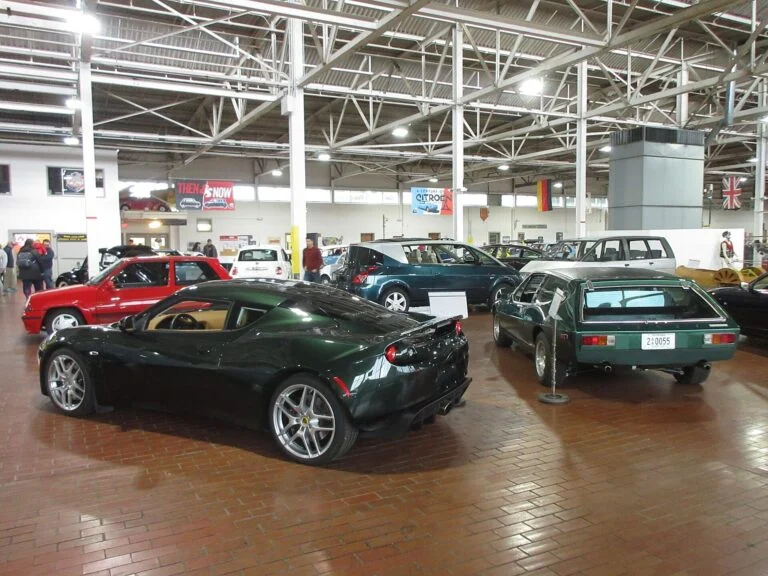
The Lane Motor Museum in Nashville, Tennessee, is a specialized automobile museum focusing on unique and historically significant vehicles. Unlike more general automotive museums that emphasize mainstream car production or motorsports, this museum concentrates on the unusual, small-scale, and sometimes experimental aspects of automotive history. Its collection reflects a broad spectrum of motor vehicle design across many countries, with a particular emphasis on European microcars, alternative propulsion vehicles, and oddities rarely seen elsewhere. This approach attracts visitors interested in automotive engineering innovation, quirky design, and the evolution of transportation beyond the familiar models of American and global mass production.
The museum founder, Jeff Lane, collected items over several decades, which shaped the institution’s character. The museum opened to the public in 2002 and has since developed a reputation for its distinctive range of vehicles. The collection spans much of the 20th and early 21st centuries, offering insights into how societal, economic, and technological factors influenced car design in different regions. Located in a converted industrial space, the museum presents these vehicles with enough contextual information to help visitors understand their origins and significance.
Collection Highlights
The core attraction of the Lane Motor Museum is its array of small, often three-wheeled cars, microcars, and vehicles powered by alternative mechanics. This includes European bubble cars from the post-war era, which were designed for affordability and efficiency during times of economic hardship or fuel scarcity. Cars from manufacturers in Germany, France, Italy, and other countries illustrate how the automotive industry adapted in response to localized needs and constraints.
Besides microcars, the museum holds a variety of prototypes and unusual designs, including amphibious vehicles and experimental propulsion models. Many on display are rare survivors of brands and engineering experiments that did not succeed commercially or remained limited production models. This makes the museum a valuable visit for anyone interested in the less mainstream chapters of car design, where creativity and experimentation are evident.
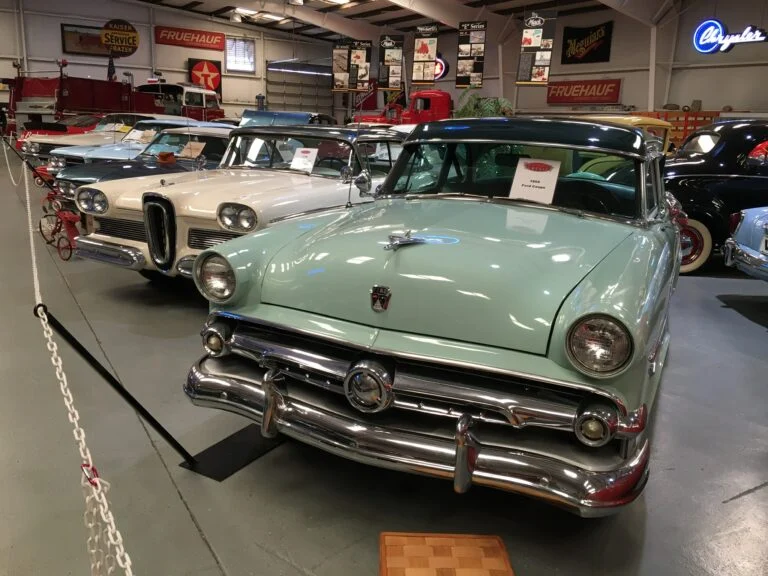
In addition to the vehicles themselves, the museum provides displays on motorcycles, scooters, and concept cars that further portray diverse forms of personal transportation. Some exhibits include contextual material about manufacturers no longer in operation, giving a glimpse of the UK, Eastern European, Japanese, and American contributions to automotive innovation under different cultural and economic conditions.
The museum’s collection is especially notable for including many cars still in workable condition, highlighting differences in mechanics and design. This practical demonstration of automotive technology enriches the experience by allowing visitors to see how these cars operate and understand their engineering differences more clearly.
Building and Setting
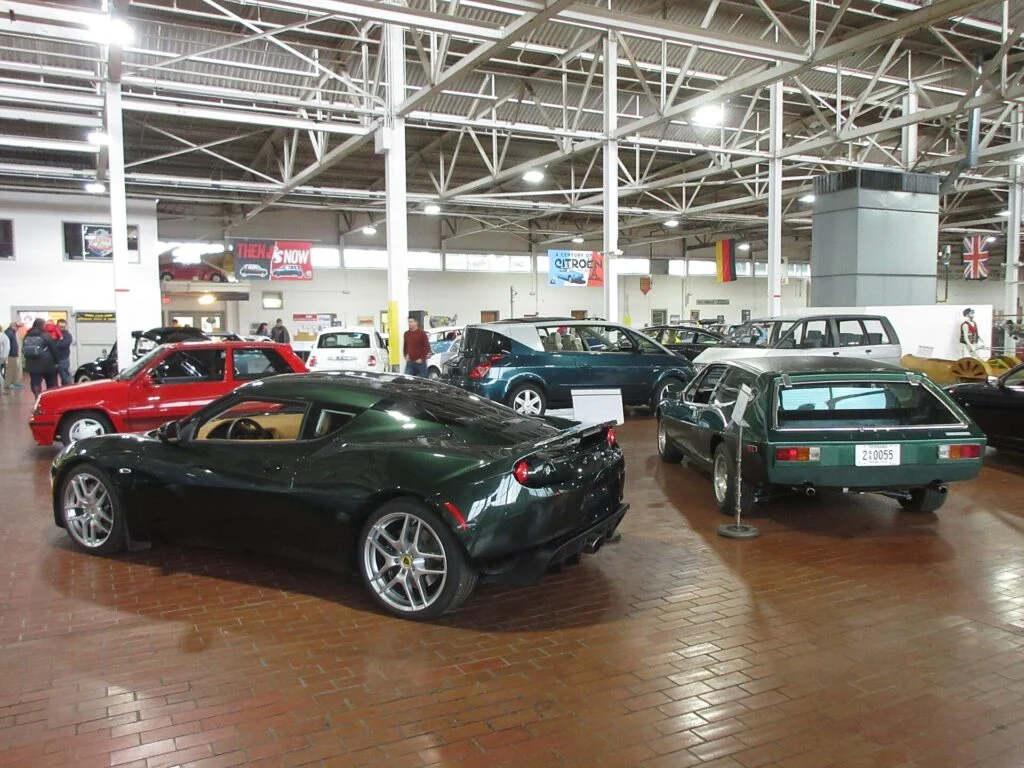
The museum is housed in an industrial-style building located in Nashville’s East Nashville neighborhood. The space is functional, with a layout focused on showcasing a compact but dense assortment of vehicles without much emphasis on elaborate decorative displays or themes. This straightforward approach reflects the museum’s intent to concentrate on the objects themselves, giving them room to be examined and appreciated without distraction.
The setting provides enough space for visitors to navigate comfortably around the exhibits, although the collection density may feel somewhat intimate compared to larger automotive museums. The industrial feel of the building ties well with the mechanical nature of the collection, but those expecting a polished, corporate-style visitor center might find the atmosphere more modest.
The location within Nashville positions the museum within reach of other cultural and historical attractions in the city, though it is somewhat off the main tourist pathways. Visitors planning to include the Lane Motor Museum in their itinerary should consider their transportation options and the time needed to explore the collection fully.
Practical Information
Visitors interested in the Lane Motor Museum should check the official museum website for the most current information regarding ticket prices, opening hours, tour options, and accessibility accommodations. Since details such as guided tours and audio guide availability can vary, recent information from the museum will help ensure a smooth visit.
As a specialized museum, it may have less frequent public hours compared to larger institutions, so prospective visitors should verify when the museum is open before planning their visit. The museum’s size and setting suggest that visits can be self-guided, and the information signage is generally clear and informative for most exhibits. However, those unfamiliar with automotive terminology may find some descriptions technical or requiring further explanation.
Parking and public transport details are best confirmed through the museum’s official communication channels or local travel information. While the museum is not located in the city center, Nashville’s overall transport infrastructure includes bus routes and taxi services that could serve visitors depending on their plans.
Why Visit
The Lane Motor Museum appeals particularly to visitors who have an interest in the variations and experiments in vehicle design that have occurred globally throughout the 20th century. For automotive enthusiasts, engineers, and historians alike, it offers an opportunity to see vehicles that do not typically feature in mainstream museum collections. Its focus on microcars, three-wheelers, and alternative propulsion vehicles fills a niche in automotive museums in the United States.
While it is not a large museum, and does not cover automotive history comprehensively, the Lane Motor Museum offers depth in its specialty, helping visitors appreciate how geography, culture, and economic conditions shaped transportation design in lesser-known ways. This contributes to a broader understanding of the automobile’s global history beyond the usual emphasis on major manufacturers and models.
The museum’s relaxed presentation style supports independent exploration, making it suitable for casual car fans as well as those with deeper knowledge or a technical background. Some exhibits may require extra reading or curiosity to fully appreciate the engineering and historical context, but there is enough varied content to engage a wide range of visitors.
Though less accessible than museums located in more tourist-centric areas, its unique collection makes it worthwhile for those who prioritize original and less conventional automotive history over visitors seeking a more general or entertainment-focused experience. Planning ahead is advisable to accommodate opening times and ensure a visit that matches individual interests.
In summary, the Lane Motor Museum offers a distinctive glimpse into the world of small and unusual cars, a perspective that complements larger automotive museums that focus on mainstream and luxury vehicles. It reflects a commitment to preserving the history of automotive innovation that might otherwise be forgotten, making it a thoughtful destination for exploration in Nashville.