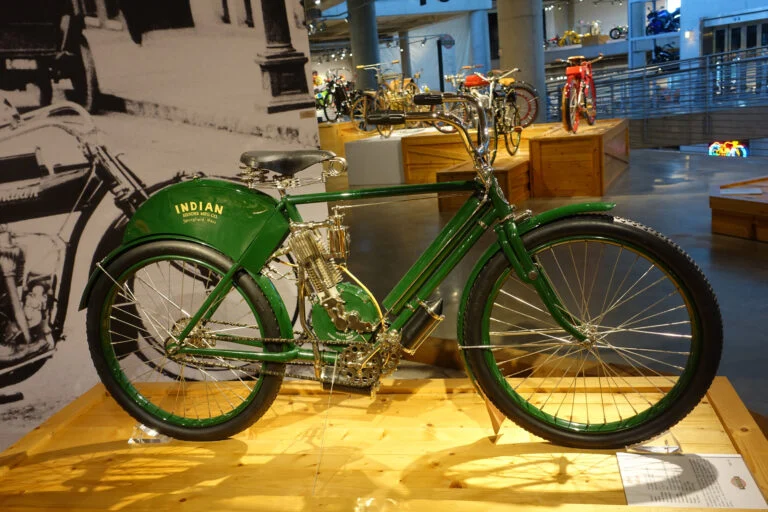
Nethercutt Collection
Automobile Museums · Sylmar, United States. The Nethercutt Collection in Sylmar, California, is a museum focused on classic automobiles, mechanical musical instruments, and the artisan craftsmanship behind them. It reflects the interests and legacy of J.B. Nethercutt, a businessman and…
Best forMuseum lovers, culture travelers, first-time visitors
Setting / nearbySylmar, United States
Overview
The Nethercutt Collection in Sylmar, California, is a museum focused on classic automobiles, mechanical musical instruments, and the artisan craftsmanship behind them. It reflects the interests and legacy of J.B. Nethercutt, a businessman and car enthusiast who assembled one of the most extensive private collections of vintage vehicles and related artifacts in the United States. The museum is situated in a suburban setting north of Los Angeles and is designed both to preserve and publicly display these objects. Unlike many automotive museums that prioritize racing or industrial histories, the emphasis here is on restoration quality, design evolution, and historical significance from a collector’s viewpoint.
Visitors to the Nethercutt Collection will find a site dedicated specifically to car restoration and preservation as a form of cultural heritage. The museum blends elements of an automotive museum with aspects of a mechanical music museum, offering a dual perspective on 20th-century mechanics and entertainment. The collection was built up with patient care over many decades, creating a dense and idiosyncratic archive rather than a broad institutional narrative. It is best suited to visitors with a particular interest in classic cars, vintage mechanical technology, and the aesthetics of early-to-mid 20th-century Americana.
Collection Highlights
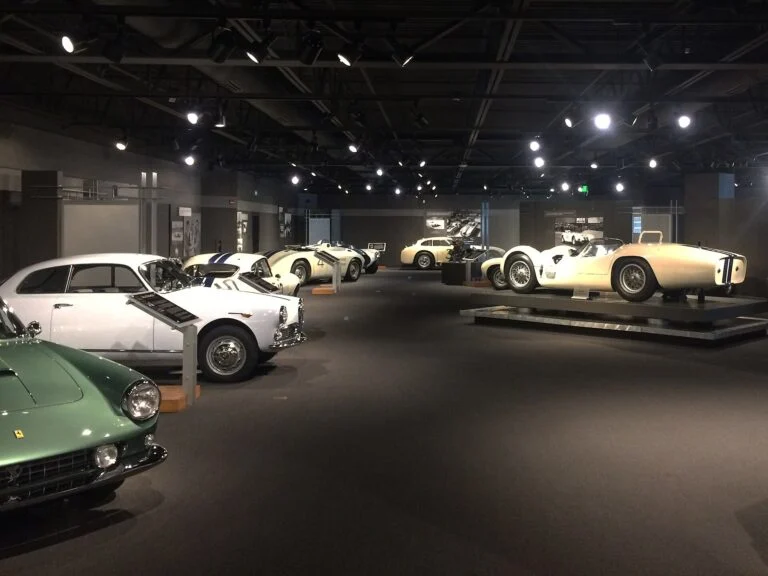
The heart of the Nethercutt Collection is its assemblage of classic automobiles, mainly from the early 1900s through the 1950s. The cars represent a variety of American, European, and select other manufacturers, emphasizing rarity, historical importance, and condition. Many of these vehicles have been painstakingly restored to like-new condition, demonstrating the museum’s strong commitment to craftsmanship. Some cars are noted for their design features, engineering innovations, or the role they played in automotive history.
In addition to the cars themselves, the collection includes a remarkable range of mechanical musical instruments. Visitors will encounter orchestrions, player pianos, music boxes, and related mechanically operated devices popular before the era of electronic sound recording. These exhibits underscore an intersection between mechanical ingenuity and entertainment culture during an era when automated musical devices were a primary form of popular amusement. The music machines are often functional and demonstrate sound-producing mechanics, though operation may vary according to programming and staffing.
Beyond vehicles and music machines, the museum also displays an impressive assortment of automotive memorabilia, tools, and restoration artifacts. This complements the main exhibits by providing insight into the practical challenges of maintaining and restoring antique cars. It allows visitors to appreciate not only the finished vehicles but also the technical proficiency and sustained effort needed to preserve them. The collection thus conveys a layered narrative: the appeal of classic cars as design objects, the history of mechanical sound, and the artistry involved in restoration.
Building and Setting
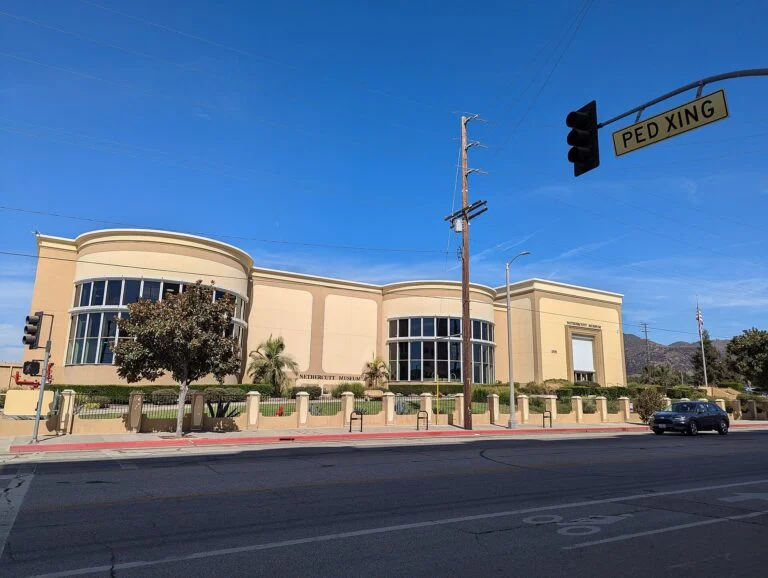
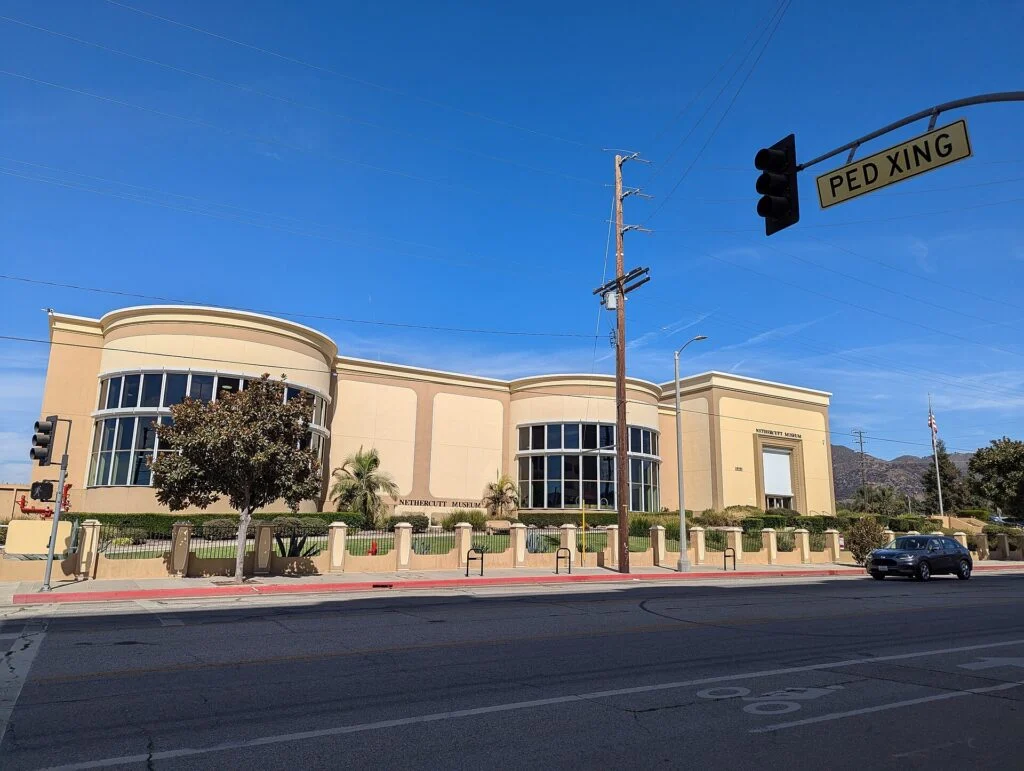
The Nethercutt Collection is housed in a purpose-built complex in Sylmar, a district within the San Fernando Valley region of Los Angeles. The museum’s location reflects its private ownership and the space requirements needed for cars, large mechanical instruments, and restoration workshops. The facility includes multiple display galleries, climate-controlled storage, and workshops visible to the public at times. This setup highlights the museum's dual identity as both exhibition space and active preservation site.
The museum environment leans toward a linear, chronological presentation of objects, allowing visitors to progress through themes of automotive design and mechanical music history in sequence. The galleries are spacious and designed to put the spotlight on the objects without unnecessary distractions or ornate decorative elements. Lighting and display cases are functional and aim to provide clear viewing. The institution occupies a suburban site rather than a downtown or historic core, which means the setting is primarily utilitarian with landscaped parking and street access but without extensive visitor facilities sometimes found in larger metropolitan museums.
Practical Information
Prospective visitors should verify current details directly on the official website or trusted sources, as information about hours, admission policies, tours, and visitor services can change. The museum is active and open at the time of this writing, but times of operation and available amenities may vary seasonally or due to special arrangements.
Because the collection includes many delicate mechanical pieces and rare vehicles, public access may be limited in certain sections or during restoration activities. Group tours or scheduled visits might be recommended to experience the full scope of the exhibits and workshops, but such services are best confirmed in advance.
The site’s suburban location means that personal vehicle access is most common. Public transport to Sylmar is available but can involve multiple transfers from central Los Angeles. Parking availability and regulations near the museum should be checked beforehand, particularly for larger vehicles or tours.
Visitors interested mainly in casual art or general history might find the museum’s technical focus narrower than some broader institutions. However, for those who appreciate craftsmanship, mechanics, and design history, the collection offers a distinctive experience. The museum is not one with extensive interactive exhibits or multimedia presentations, instead concentrating on the objects themselves and their physical presence.
Why Visit
Choosing to spend time at the Nethercutt Collection means encountering a richly focused assembly of vintage automobiles and mechanical music instruments curated with a collector’s eye. The museum appeals to those who enjoy precise restoration, the material culture of early 20th-century technology, and the special character of collector museums as opposed to encyclopedic institutions.
The museum’s emphasis on restored vehicles in excellent condition, alongside music machines that demonstrate another dimension of mechanical art, offers a layered experience that is somewhat rare among American museums. Even visitors less versed in automotive history can gain an appreciation of the artistry involved in these machines. The presence of restoration workshops adds a useful interpretive aspect, underscoring the ongoing preservation efforts that keep many historic vehicles operational rather than merely static displays.
At the same time, visitors should be prepared for a setting that prioritizes the objects over immersive or thematic storytelling. The experience is best approached as a close-up study of specific collectible categories, well suited for those with existing curiosity or knowledge of classic cars and mechanical music devices.
For those planning a visit to Los Angeles interested in automotive heritage or the mechanical culture of the early 20th century, the Nethercutt Collection can be a meaningful complement to more general museums and car shows in the region. It offers a quiet, contemplative environment where the beauty of mechanical design and the rigor of preservation are on full display. The museum thus occupies a particular niche—more focused than many institutions but rewarding for visitors who come prepared to engage with the deep care and expertise invested in its holdings.
In summary, the Nethercutt Collection serves as a specialized repository of automotive and mechanical musical history in Southern California. Its collection, building, and operations reflect a collector-driven approach that values restoration quality and the unique stories behind rare machines. It is a focused destination best suited to those intrigued by detailed, technical, and aesthetic aspects of historic vehicles and related mechanical entertainment. Anyone considering visiting should refer to official sources for the latest practical information to ensure a smooth and informed experience.