Whanganui Regional Museum
Tickets & Tours
Compare ticket options and guided tours from trusted booking partners.
We may earn a commission if you book through these links.
Overview
The Whanganui Regional Museum, located in the city of Whanganui on New Zealand’s North Island, serves as the local history and regional natural history museum for the area. The institution focuses on the heritage of Whanganui and its surrounding district, collecting and preserving objects that illuminate local Māori and Pākehā histories, natural sciences, and aspects of cultural development in the region. Established in the late nineteenth century, the museum has grown with contributions from local communities and benefactors, reflecting a particular commitment to recording and sharing stories tied closely to the Whanganui River and the lives of those who live near it.
This museum is the main repository and public exhibitor of Whanganui’s material past and natural environment. Its holdings offer insight into the intersection of indigenous culture, early European settlement, and natural history. As a regional museum, it leans heavily on local narratives rather than national-scale collections, giving a more focused, community-oriented experience dealing with the formation and evolution of Whanganui’s identity. Its permanent exhibitions and rotating displays cover a broad spectrum of subjects, generally linked to this particular place and its people.
Collection Highlights
The Whanganui Regional Museum’s collections are varied but centred on natural history, anthropology, local history, and ethnography. The museum is known for its significant Māori taonga (treasures), including carved woodwork, traditional weapons, and other cultural artifacts that highlight the art and material culture of the iwi (tribes) especially those connected with the Whanganui River. These collections help explain iwi relationships with the river and surrounding lands, making visible the cultural and spiritual importance of place in Māori heritage.
In addition to indigenous collections, the museum holds a range of European settler artifacts, including early domestic objects, tools, and photographs that document the challenges and changes in the community from colonial times onward. Of particular note are historical photographs and archival documents, which provide a useful visual history of Whanganui’s urban and rural development.
Natural history is represented through specimens and exhibits related to the flora and fauna of the region. This includes local bird species, insects, and geology, offering a sense of the area's biodiversity and environment. The natural history collection supports the museum’s role in regional education about conservation, biology, and environmental change.
One of the longer-standing features is its sizeable collection of moa bones and other extinct animal remains, reflecting early scientific interest in paleontology. These pieces give a glimpse into New Zealand’s prehistoric ecosystems and contribute to a broader understanding of how fauna altered following human settlement.
The museum also hosts temporary exhibitions that explore specific themes or subjects connected with Whanganui’s past or wider Māori or New Zealand history. These often serve to deepen engagement with particular stories or events not covered in the permanent galleries.
Building and Setting
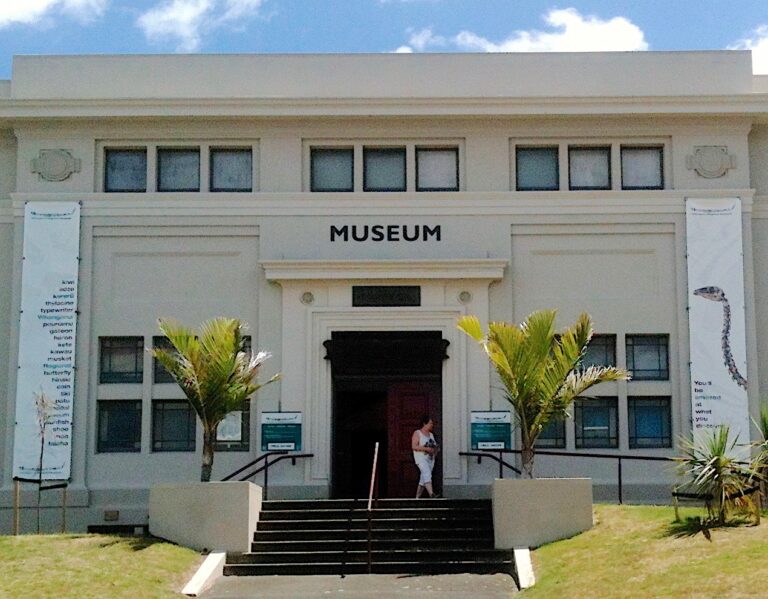
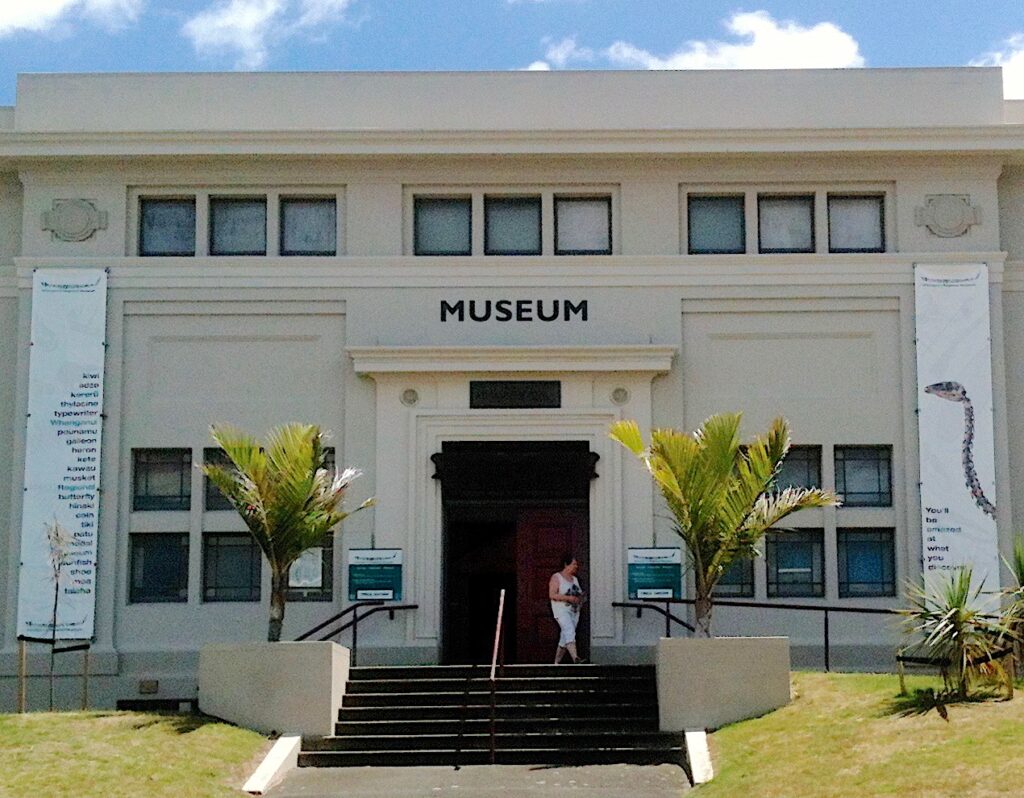
The Whanganui Regional Museum occupies a heritage building in the heart of Whanganui city, reinforcing its role as a community institution. The location is accessible and fits naturally into the urban environment, allowing visitors to visit alongside other city centre features. The structure itself survived various significant events in the region’s history, and in that way forms part of the town’s material narrative.
The building’s layout comprises several galleries and educational spaces with room for both permanent and rotating exhibitions. It is designed to accommodate both objects that require controlled environments and items that can be displayed in open-access areas. While not large by international standards, the museum’s setting allows for a relaxed pace of viewing, making it manageable for visitors to explore the contents without feeling overwhelmed.
Externally, the museum is situated near the Whanganui River, an element central to many of its stories and collections. The proximity to the river can enhance visits, as the museum’s narrative often ties into the landscape immediately outside. However, there is no extensive grounds or outdoor exhibition areas affiliated directly with the museum.
Practical Information
Before planning a visit to the Whanganui Regional Museum, potential visitors should consult the museum’s official website or contact the institution directly for the most up-to-date information regarding opening hours, admission fees, and any special event schedules. As with many regional museums, details such as guided tours or audio guides may not be regularly available, and this can vary depending on staffing and current exhibitions.
Accessibility information may also change over time so checking ahead is advisable, especially for those needing mobility assistance. Similarly, if visiting with children or as part of a group, verifying educational programming or family-oriented activities on offer is recommended.
The museum’s scale and focused collection mean that most visits will not require extensive time commitments, but this depends on individual interest and whether temporary exhibitions are part of the itinerary. It is best to allow flexibility in plans, as some smaller regional museums may have days with limited staff or unexpectedly reduced opening hours.
Why Visit
The Whanganui Regional Museum serves a particular role in preserving and communicating the unique histories and natural environment of the Whanganui district. It is especially suited for visitors interested in New Zealand’s local-level indigenous and settler history or those curious about the intertwining of cultural and natural narratives in a defined geographic region.
For those interested in Māori material culture, the museum’s collections offer meaningful insights that are directly connected to the ancestral lands and ongoing traditions of the area’s iwi. This focus distinguishes it from larger but more generalized institutions by enabling a closer look at how local Māori identities and histories have been documented and preserved.
The museum can also appeal to natural history enthusiasts keen on understanding the ecology and prehistoric environment of the region through well-curated specimens. Its moa and fossil collections might be particularly interesting to those drawn to paleontology or ancient New Zealand fauna.
On the other hand, visitors looking for exhibitions with extensive breadth beyond the Whanganui area or aiming for a large-scale art or science museum may find this collection more limited in scope. The museum works best for those open to an intimate experience rooted in place-specific stories rather than sweeping national narratives.
In all, the Whanganui Regional Museum offers an informative look at a distinctive locale within New Zealand, with holdings and displays that contribute to the preservation of community memory and understanding of regional biodiversity. It underscores how local museums can play vital roles in cultural continuity and education by focusing deeply on the immediate environment and its histories. Interested visitors should plan ahead to confirm practical details and consider the type of content that aligns with their interests.
For current visitor information and further details, consulting the museum’s official website is advised.