Whanganui Regional Museum Review
Natural History Museums · Whanganui, New Zealand. The Whanganui Regional Museum in New Zealand occupies a significant place in the cultural landscape of the Whanganui district. Established in 1895, the museum’s origins reflect a late 19th-century movement across New Zealand to…
Natural History Museums · Whanganui, New Zealand. The Whanganui Regional Museum in New Zealand occupies a significant place in the cultural landscape of the Whanganui district. Established in 1895, the museum’s origins reflect a late 19th-century movement across New Zealand to…
Best forMuseum lovers, culture travelers, first-time visitors
Review focusCollections, visitor experience, and practical planning
Historical Context
The Whanganui Regional Museum in New Zealand occupies a significant place in the cultural landscape of the Whanganui district. Established in 1895, the museum’s origins reflect a late 19th-century movement across New Zealand to preserve and display objects of local, regional, and national importance. The institution has developed over time into a repository that charts natural history, Maori heritage, early European settlement, and the multimedia narratives that shape the region’s identity. Its collections reflect the Whanganui River area’s rich natural environment and layered human history, providing insight into both indigenous Maori cultural practices and colonial encounters.
The museum’s foundation and growth occurred against a backdrop of increasing awareness of regional distinctiveness in New Zealand. Throughout the 20th century, its role evolved from a basic cabinet of curiosities into an organized cultural institution with educational goals. It has maintained a particular focus on the interrelation between Whanganui’s landscapes, its peoples, and the objects that convey these stories. This focus is supplemented by evidence of scientific research and local knowledge, making the museum a key institution for understanding this part of New Zealand beyond tourist destinations.
What You See on Arrival
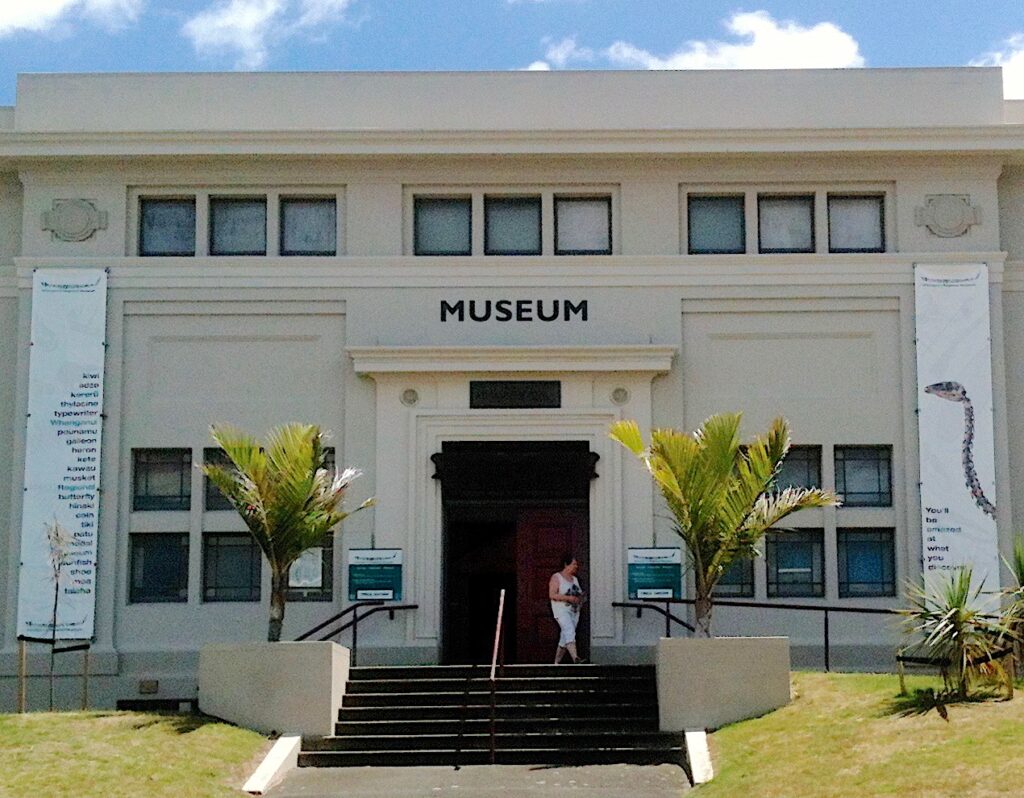
Visitors approaching the museum encounter a building that is traditionally modest and functional rather than flamboyant or architecturally radical. The edifice reflects the institution’s community-oriented purpose, blending into the urban fabric of Whanganui rather than dominating it. There is an air of quiet authority and an emphasis on substance over showmanship in the physical presentation. Clear visual signposting outside aids orientation, though the museum’s setting does not feature sweeping plaza designs or large-scale public installations. The main entrance presents a straightforward welcome, implicitly suggesting the museum’s role as a steward of local heritage and a place for detailed exploration.
The framing of the museum experience begins with this straightforward, grounded identity. Visitors are implicitly invited to engage with regional stories and collections that emphasize place and historical continuity. The immediate impression is one of workaday cultural preservation, rather than a theatrical or thematic spectacle. This positioning suits visitors keen on historical and scientific inquiry, as well as those interested in indigenous Maori culture and early settler narratives, giving a sense that this is a museum concerned with context and deeper understanding.
Highlights and Key Exhibitions
At the heart of the Whanganui Regional Museum’s offering is its varied collection of natural history specimens, ethnographic materials, and archival resources that reflect both natural and human histories of the Whanganui district. Central exhibits include the geology and flora and fauna native to the area, providing a solid base for appreciating the environmental context of this part of New Zealand. These displays reveal the specific characteristics of the region’s ecosystems, interwoven with explanations about ongoing conservation concerns, which lends the museum a relevant contemporary edge.
The museum holds important Maori collections that focus on material culture, including tools, carvings, and woven items. These pieces illuminate the art, social structures, and spiritual life of local iwi (tribes), especially in relation to the Whanganui River, which holds immense cultural and historical significance for Maori. The museum’s commitment to presenting this heritage is reflected in both objects and explanatory content, though the degree to which Maori perspectives are actively integrated into all aspects of the museum experience can be a matter of ongoing development in institutional practice.
European settler history is represented through objects linked to 19th and 20th-century colonization. These include household items, photos, archival documents, and personal belongings. This segment provides visitors with insights into early European settler life, its challenges, and the dynamic between settlers and indigenous communities. The museum’s archives and photographic collections, including early city documentation, are significant assets for researchers and local historians.
One notable element is the museum’s focus on the Whanganui River and its surrounds, which is central to the region’s identity and features prominently across exhibitions. This includes displays related to river navigation and traditional practices, alongside the environmental and cultural changes that have affected the waterway over time.
Overall, the collection is broad but focused on the local/regional level rather than claiming national or international scope. Artifacts and objects are displayed with clear labels and contextual information, making the exhibits accessible to a range of visitors, from casual tourists to students and scholars interested in local history and anthropology.
Visitor Experience
The Whanganui Regional Museum is oriented toward visitors who appreciate a carefully curated regional narrative and are comfortable engaging with detailed interpretative materials. The pacing of exhibitions encourages deliberate reading and allows for reflection on both natural and cultural dimensions of the region. This measured approach will suit those who prefer substance over sensationalism or entertainment-driven presentations.
Interpretive panels and exhibits provide a balanced mixture of factual information and storytelling, though some visitors might find the layout less dynamic than museums with multimedia or interactive technology. The museum’s reliance on traditional display cases and printed materials means the experience is straightforward. This may appeal to visitors who value quiet study and objects presented in their material form, but it might offer less engagement for younger audiences or those looking for hands-on learning opportunities.
The museum’s curation shows respect for the complexities of Maori and settler histories, while also acknowledging environmental concerns. However, as with many regional museums, there is always scope for broadening interpretive frameworks, including more active collaborative displays that foreground indigenous voices alongside Western historical narratives.
Visitor flow is likely to be smooth and unhurried given the museum’s size and layout, though the physical arrangement means visitors should be prepared for a conventional museum visit style without extensive spatial surprises or thematic breaks. For researchers or those interested in local history, the archives and photographic collections can be of particular interest, although access details may require prior inquiry.
Tickets, Access, and Planning
There is no publicly confirmed detailed information regarding ticket prices, opening hours, discounts, guided tours, or availability of audio guides for the Whanganui Regional Museum. Those planning a visit should consult the official museum website or contact the institution directly for up-to-date practical information.
Similarly, information on accessibility arrangements such as wheelchair access or facilities for visitors with specific needs is not comprehensively published online. Prospective visitors with such requirements are advised to seek direct confirmation from the museum to ensure their needs can be accommodated.
Given its location within Whanganui city, getting to the museum is straightforward by local transportation or private vehicle, but planning for parking and local transport options should be checked before the visit. No specific information about on-site amenities like cafés or shops is widely available, so visitors might consider arranging for refreshments before or after their visit.
Final Verdict
The Whanganui Regional Museum serves as a solid civic institution preserving and presenting the rich and layered history of the Whanganui district. Its strengths lie in the depth of its regional collections and its focus on both natural and cultural heritage, with a particular emphasis on Maori and settler histories. For those with an interest in New Zealand regional history, anthropology, and environmental heritage, the museum offers a substantial and thoughtfully presented experience.
The museum’s approach is traditional and restrained, favoring thorough documentation and clear interpretive content over interactive or highly theatrical displays. This makes it especially well suited to adults, students, local historians, and visitors seeking a grounded understanding of the Whanganui region’s past and present. It may not, however, meet the expectations of those seeking high-tech, participatory museum experiences or broad sweeping national narratives.
Planning a visit requires some advance checking due to limited publicly available practical information. Visitors should confirm times, access, and services in advance to ensure a smooth experience.
In sum, the Whanganui Regional Museum offers a careful, considered window into a distinctive part of New Zealand’s heritage. It is a meaningful place for those keen to explore the intertwining of nature, culture, and history in a specific locale, even if it does not cater extensively to visitors looking for more interactive or contemporary museum formats.