Puke Ariki
Indigenous Culture Museums · New Plymouth, New Zealand. Puke Ariki is a combined museum, library, and visitor information center based in New Plymouth, a city on the west coast of New Zealand’s North Island. The institution functions primarily as a regional history…

Best forMuseum lovers, culture travelers, first-time visitors
Setting / nearbyNew Plymouth, New Zealand
Overview
Puke Ariki is a combined museum, library, and visitor information center based in New Plymouth, a city on the west coast of New Zealand’s North Island. The institution functions primarily as a regional history and cultural museum with a notable emphasis on Taranaki—its people, landscapes, and stories. It serves as both a repository for the area’s heritage and a public space where visitors and local communities can engage with history, environment, and contemporary culture.
A key aspect of Puke Ariki is its distinctive role as a hybrid facility that merges museum collections with a public library. This integration reflects a broader commitment to accessible knowledge and communal learning. The museum is particularly linked to the history of local Māori iwi (tribes), European settlement, and natural science, offering insight into the diverse cultural and environmental evolution of the Taranaki region. This dual purpose makes it less like a traditional stand-alone museum and more a center for regional storytelling and research.
Collection Highlights
The museum’s collections emphasize three main areas: Māori cultural heritage, regional history, and natural history. Its ethnographic material relating to local Māori groups includes traditional tools, carved items, and taonga (treasures) that convey aspects of Māori lifeways and artistry. The indigenous collections are significant for those interested in Polynesian cultures, especially in their local Taranaki context.
In terms of regional history, Puke Ariki holds a variety of artifacts and documents that tell the story of New Plymouth’s settlement, development, and social changes. Exhibits might include colonial-era objects, household items, photographs, and documents that reflect both European and Māori experiences in the area over the last two centuries. The museum also covers aspects of local industry such as farming, forestry, and coastal trade which have shaped the region’s economy.
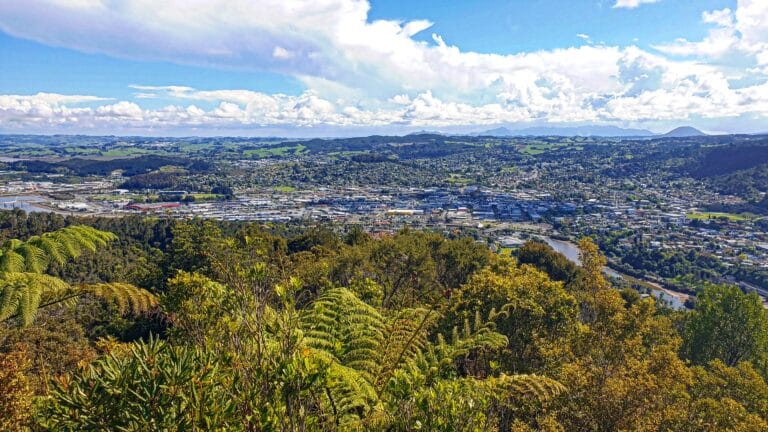
The natural history component features specimens, models, and information related to the geography, flora, and fauna of the Taranaki region, including the mountain and coastline. Mount Taranaki (an extinct volcano dominating the landscape) figures prominently in the natural and cultural narratives presented. Displays related to geology and local ecosystems connect visitors to the environmental context surrounding New Plymouth.
Puke Ariki occasionally features temporary exhibitions that provide room for contemporary art, special historical themes, or community projects. This dynamic aspect complements the permanent holdings and contributes to a lively visitor experience, though the focus remains regional rather than global.
Building and Setting
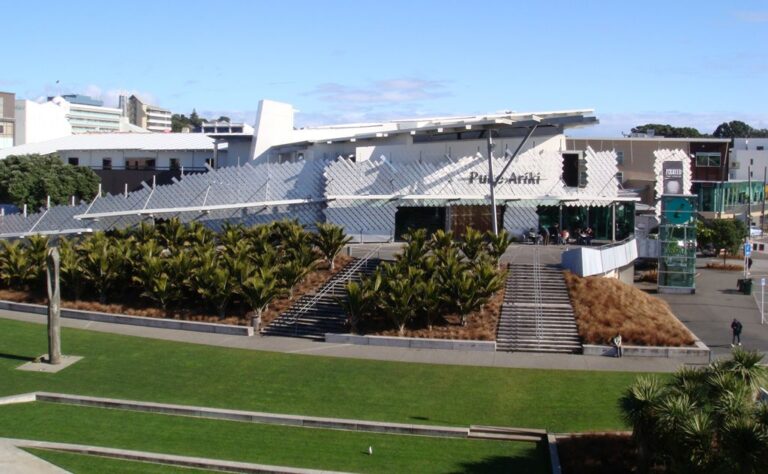
The museum is integrated into a modern complex located on the waterfront area of New Plymouth, close to the central business district. The building design seeks to connect with the surrounding environment, offering views of the coastal scenery and Mount Taranaki, though it is primarily an urban facility that fits within the cityscape.
The name “Puke Ariki” itself references the site’s cultural significance: “Puke” means hill, and “Ariki” can be translated as chief or leader, recalling the location’s historic role as a defensible pā (fortified village) site for local Māori peoples. The museum’s position on or near this hill links it physically and symbolically to indigenous history.
Inside, the layout divides the functions between exhibition galleries, library spaces, and visitor services. The museum galleries are designed for flexible presentation, making it suitable for a varied program of exhibitions alongside displays from the permanent collection.
Practical Information
Anyone planning a visit to Puke Ariki should consult the official website to confirm the latest details on opening hours, admission costs, and any special requirements. Information on accessibility features, guided tours, and audio guides should also be verified online, as these services can change over time or depend on staffing and program schedules.
Because the facility includes a public library and a visitor information center, it can be a practical stop for travelers seeking broad regional information beyond museum content. The combination of museum and library means visitors might find quieter spaces for reading or research as well as more interactive exhibits.
Nearby amenities, transport connections, and parking options are best checked in advance, especially if traveling during popular tourist seasons or local events. The museum’s waterfront location means it is reasonably accessible by foot from central New Plymouth.
Why Visit
Puke Ariki offers a distinctive kind of cultural and historical experience tied closely to the Taranaki region. Visitors interested in understanding New Zealand outside major metropolitan centers may find its focus on local Māori heritage alongside settler history valuable. The museum brings to life the ongoing relationship between people and place in this part of New Zealand.
As a combined library and museum, it suits those who appreciate layered access to knowledge—those who want to engage with exhibits but also consult documents, maps, and other resources. This makes the institution well-suited to students, researchers, local families, and visitors looking for more than just surface-level displays.
While it does not present large international collections or blockbuster shows, Puke Ariki’s strength lies in its rootedness. For people interested in indigenous culture, regional environment, and New Zealand’s colonial and post-colonial story from a southwestern North Island perspective, it offers a comprehensive, informative resource.
Some visitors may find that the museum’s dual role and sometimes quiet library spaces give a different atmosphere than a classic museum visit. The museum galleries are intimate rather than expansive, which appeals to those who prefer a paced and focused visit over more crowded or overwhelming displays.
Overall, Puke Ariki stands as a thoughtfully curated regional museum. It reveals the layers of cultural interaction and natural history unique to its place. This makes it relevant for both locals wishing to reconnect with their heritage and visitors seeking to deepen their understanding of New Zealand’s multifaceted story.