Museo Nacional de Artes Decorativas
Art Museums · Madrid, Spain. The Museo Nacional de Artes Decorativas in Madrid is a specialized institution dedicated to the decorative arts. It represents a concentrated look at the applied arts across several centuries, focusing on craftsmanship and design…
Best forArt lovers, visual culture, architecture
Setting / nearbyMadrid, Spain
Overview
The Museo Nacional de Artes Decorativas in Madrid is a specialized institution dedicated to the decorative arts. It represents a concentrated look at the applied arts across several centuries, focusing on craftsmanship and design rather than fine arts such as painting or sculpture. Situated in the Spanish capital, it offers a detailed perspective on the evolution and cultural significance of objects often overlooked in broader art museums. The collection reflects Spain’s rich heritage in decorative arts alongside pieces from other European countries, making it an important resource for those interested in material culture, design history, and artisanal techniques.
This museum appeals to visitors who want to explore beyond conventional art museums and engage with objects that combine function and artistic expression. It also serves specialists and enthusiasts of furniture, ceramics, textiles, glass, and metalwork, as well as those curious about the social history embedded in everyday luxury and utility items. As a national institution, it holds a recognized place in Spain’s museum landscape, although its specialization may make it best suited for visitors with a particular interest in decorative arts rather than general tourists seeking a broad cultural overview.
Collection Highlights
At the heart of the Museo Nacional de Artes Decorativas lies its collection of decorative objects spanning from the Middle Ages to the 19th century and possibly beyond. Visitors can expect to encounter an array of finely crafted furniture, including chairs, cabinets, and tables that show innovation in design and craftsmanship. These objects provide insight into the stylistic preferences and domestic tastes of different eras, reflecting social class and cultural values.
Embroidery and textiles form another significant part of the collection, which may include tapestries and silks showing intricate techniques and motifs. Ceramics and porcelain are well represented, with pieces that range from everyday ware to more ornate, ceremonial objects. Glasswork and metalwork, including silver and gold items, further diversify the collection and underscore the technical skills of artisans.
The museum also presents decorative arts within a historical context. For example, the integration of different styles such as Baroque, Rococo, and Neoclassical into the pieces offers a timeline of changing cultural and aesthetic trends. This historical layering enriches the visitor experience by revealing how decorative object production interacted with broader European influences and local traditions.
Overall, the collection’s scope and quality make it suitable for visitors with an interest in craftsmanship and design history. Detailed labels and interpretive material are generally expected to clarify the significance of each piece, although those without a background in decorative arts may find some of the content specialized.
Building and Setting
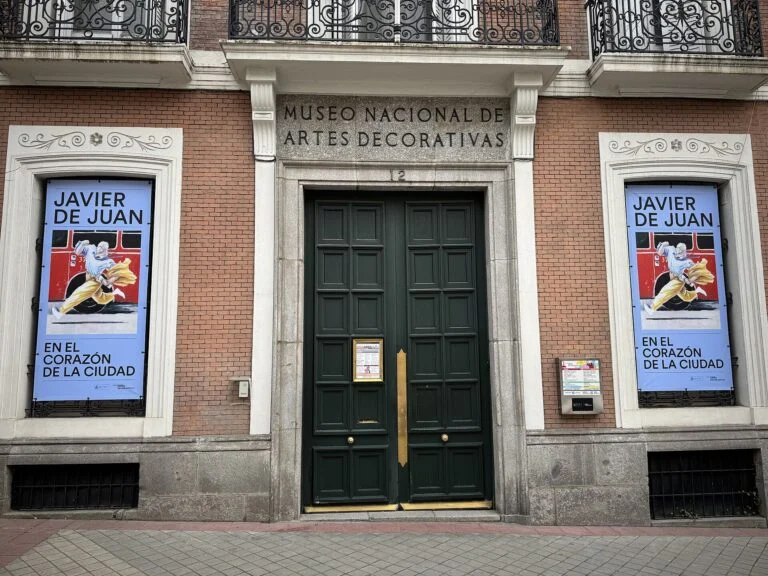
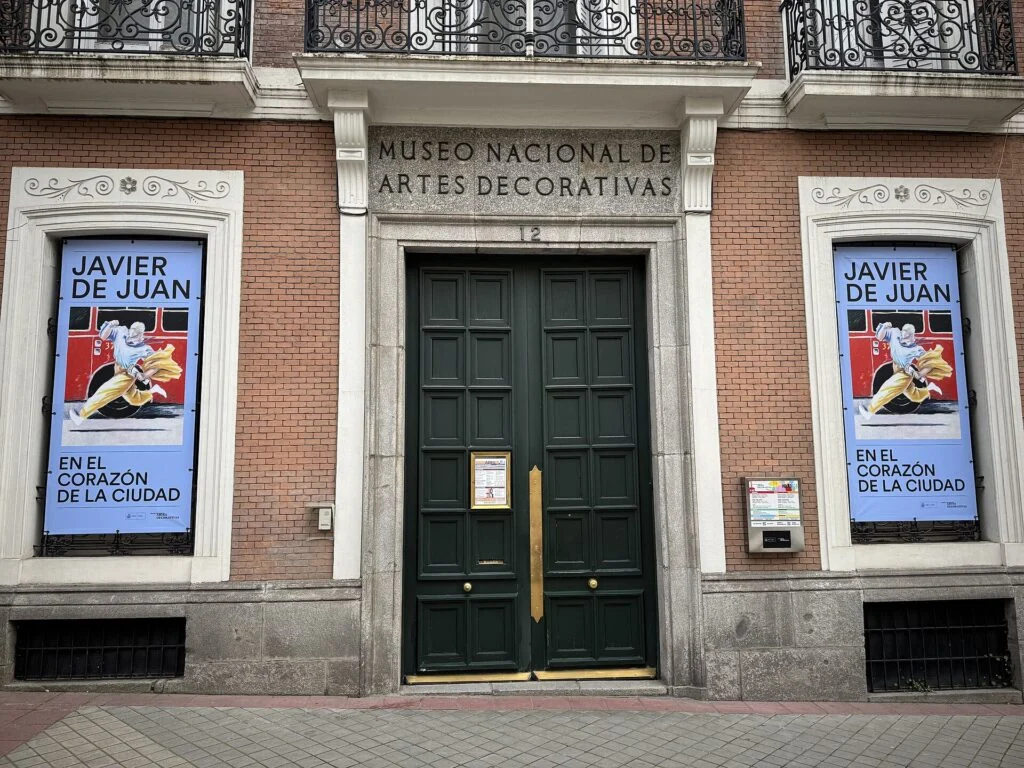
The museum is located in Madrid in a building that traditionally housed the institution. Its architecture and interior spaces contribute to the experience of the collection. While not a historic palace or landmark in itself, the building offers suitable galleries that allow for a clear presentation of the three-dimensional objects the museum holds.
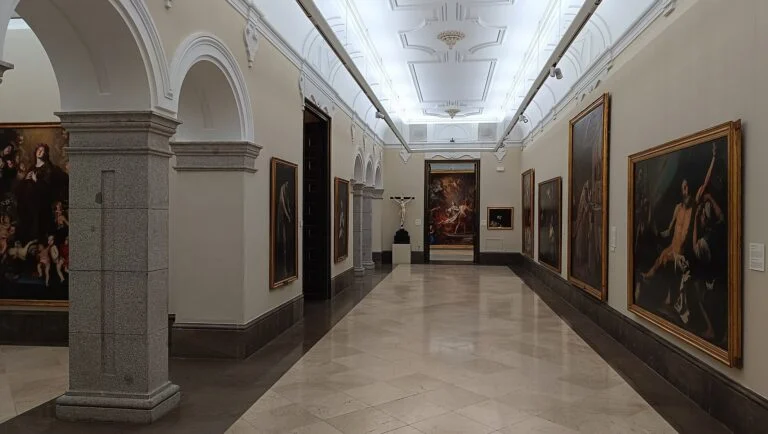
The layout of the museum typically supports a chronological or thematic flow, helping visitors follow the development of decorative arts over time and across different materials. Rooms designed for furniture and larger objects are usually spacious enough to appreciate the details and scale, while display cases protect smaller or more fragile artifacts.
The museum’s urban setting means it can be combined with visits to other central Madrid cultural sites. However, the immediate surroundings are more functional than scenic, so the focus remains on the collection inside rather than the setting.
Practical Information
Details such as opening hours, ticket prices, the availability of guided tours, audio guides, or visitor amenities are best confirmed on the Museo Nacional de Artes Decorativas’s official website or through municipal cultural resources. Because information can change based on season or staffing, visitors should verify these points before planning a visit.
The museum’s size and focus suggest a visit can fit comfortably into a half-day itinerary, though those wanting to study the collection in depth might stay longer. It is also likely to be quieter than larger, more crowded museums in Madrid, which may appeal to those preferring a less frenetic pace.
As with many museums, accessibility and visitor services are important factors to check ahead of time. Reliable information should come from official and current sources. When visiting, coat checks or lockers may or may not be available, and photography policies vary in decorative arts institutions, so clarifying these specifics ahead of the visit is advisable.
Why Visit
Choosing to visit the Museo Nacional de Artes Decorativas offers a focused experience on the art of everyday luxury and craftsmanship. It is not a place for casual browsing if a visitor’s primary interest lies in painting or sculpture; instead, it invites deeper consideration of the objects that shaped domestic and decorative culture.
The museum’s appeal lies in its detailed presentation of how art and function intersect in material culture. For design students, artisans, historians, or anyone curious about how craft techniques and aesthetic trends evolve, it offers concrete examples and often well-documented objects. Its collection serves as a quiet but rich repository that complements the more visually dominant art museums in Madrid.
Limitations of the museum arise mainly from its specialization. People seeking a broader cultural overview of Madrid or Spanish art might find it too narrow. The museum’s size and subject may not fill an entire day without some personal investment in the themes. Also, practical considerations such as accessibility or visitor services are worth confirming in advance to ensure a comfortable visit.
In summary, the Museo Nacional de Artes Decorativas fills a specific niche in Madrid’s cultural scene. It suits those with an interest in decorative arts and design, offering access to carefully preserved pieces that articulate the long-standing relationship between form, function, and style in material objects. Researchers and visitors alike can gain an appreciation of artistic craftsmanship that goes beyond traditional fine art narratives.
For those planning a visit, consulting official resources before arrival remains essential to confirm operational details. By doing so, visitors can approach the museum well-prepared to engage with a collection that reflects centuries of artistic and functional creativity in decorative objects.