Museo Cerralbo Review
Museums · Madrid, Spain. The Museo Cerralbo in Madrid offers insight into the life and tastes of Enrique de Aguilera y Gamboa, the 17th Marquis of Cerralbo, whose career bridged the late 19th and early 20th centuries. The…
Museums · Madrid, Spain. The Museo Cerralbo in Madrid offers insight into the life and tastes of Enrique de Aguilera y Gamboa, the 17th Marquis of Cerralbo, whose career bridged the late 19th and early 20th centuries. The…
Best forMuseum lovers, culture travelers, first-time visitors
Review focusCollections, visitor experience, and practical planning
Historical Context
The Museo Cerralbo in Madrid offers insight into the life and tastes of Enrique de Aguilera y Gamboa, the 17th Marquis of Cerralbo, whose career bridged the late 19th and early 20th centuries. The Marquis was a notable aristocrat and art collector, as well as a politician, writer, and scholar. The museum reflects his personal residence, maintained largely as it was during his lifetime, which adds a strong biographical dimension to the experience. Opened to the public in 1944, the institution preserves not only his vast collection but also the original arrangement and decoration of the house, providing a window into elite Spanish domestic culture of the period.
The museum’s origins lie in the generous decision by the Cerralbo family to turn the family palace into a public heritage site. Situated within the Chamberí district of Madrid, the building itself dates from the late 19th century, designed in a historicist style incorporating aspects of neo-classical and baroque elements. Part of the broader trend of houses-turned-museums in Europe, the Museo Cerralbo embodies a particular aristocratic vision of collecting and display, often associated with the 19th-century enthusiasm for antiquities and decorative arts. The museum occupies a unique space in Madrid’s cultural landscape, distinct from larger national institutions, by focusing on the private rather than the public dimension of art and collecting.
What You See on Arrival
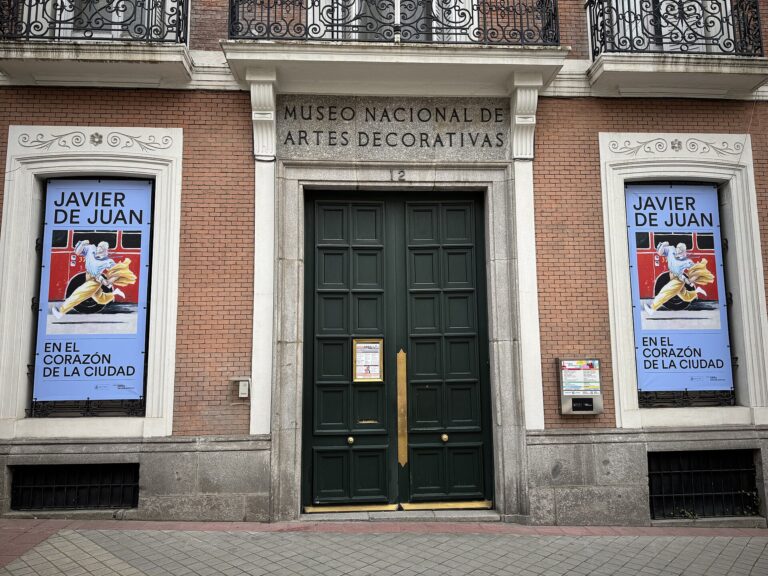
Upon approaching the Museo Cerralbo, visitors encounter a façade that signals its dual identity as both an aristocratic mansion and a repository of art. The building stands out amidst the more modern urban surroundings with its ornate exterior, balancing restraint with decorative richness. The entrance leads through a doorway that retains period details, suggesting the transition from public city street to private residence preserved in time.
The initial impression frames the museum as a domestic space layered with cultural meaning rather than a conventional gallery. This framing helps orient visitors to expect not only individual objects but an immersive environment, where the arrangement of rooms, furnishings, and decorative schemes themselves are part of the attraction. The museum’s signage and exterior indicate a focus on the life and legacy of the Marquis of Cerralbo, preparing visitors for a narrative centered on aristocratic culture, personal taste, and historical collecting practices.
Inside, visitors find themselves moving through richly appointed salons, libraries, dining rooms, and galleries, all arranged to evoke the way the Marquis lived and engaged with his art collection. The smooth transition from exterior to interior invites a contemplative approach, while the building’s layout encourages exploration of multiple layers of history and material culture.
Highlights and Key Exhibitions
The Museo Cerralbo is best understood through the breadth and versatility of its collections, which span diverse categories, reflecting the eclectic interests of its founder. The core appeal lies in the synthesis of art, furniture, archaeological finds, and decorative objects displayed within the historical residence.
A significant part of the collection comprises archaeological pieces collected by the Marquis during his travels and excavations. These include Roman pottery, Greek and Etruscan vases, and artifacts from Spain’s Iberian Peninsula. The archaeological objects form a backbone to the museum’s narrative of historical continuity and elite engagement with antiquity. For visitors interested in classical civilizations, these displays offer evidence of 19th-century collecting practices grounded in both scholarly interest and the era’s taste for the exotic.
Art on view ranges from Renaissance and Baroque paintings to period portraits, religious works, and genre paintings. Many of these treat themes related to Spanish history and culture, providing a contextual counterpoint to the broader European artifacts. The inclusion of rugged, regional iconography alongside courtly imagery underlines the Marquis’s interest in Spain’s cultural diversity. These works are presented within rooms that retain period frames, walls, and lighting schemes, fostering an intimate experience rarely found in larger, more clinical museum spaces.
Furniture and decorative arts hold a prominent place throughout the palace. The elegant woodwork, tapestries, and detailed upholstery reveal aristocratic tastes and the material culture of upper-class life in Madrid around the turn of the century. Interest extends to porcelain, clocks, and metalwork that illustrate the decorative trends of the era. The finely maintained state of these objects emphasizes the museum’s dual role as art gallery and historic home.
The library collection is another key asset, featuring an extensive array of books and manuscripts, many connected to the Marquis’s scholarly and political work. Though the library functions more as a backdrop to the house than a standalone exhibit, it contributes significantly to understanding the intellectual character of the patron. Documents and letters on display underscore his influence within academic and political circles of his time, offering a window into the intersections between collection, knowledge, and power.
Overall, the museum’s arrangement prioritizes authenticity over the display of individual masterpieces. The placement of objects within domestic settings rather than behind glass encourages visitors to see these collections as extensions of a lived environment. This can be especially rewarding for those interested in museology and aristocratic lifestyle studies, although it requires patience to appreciate the density and detail of the installations fully.
Visitor Experience
The Museo Cerralbo caters mainly to visitors keen on history, art history, decorative arts, and cultural studies with a specific interest in the aristocratic milieu of late 19th-century Spain. It is not designed for large tourist groups expecting blockbuster exhibitions or modern interactive technologies. Instead, the museum invites a slower, more contemplative mode of visit focused on nuanced observation.
The pace of a visit is influenced by the layout of the house and the density of objects. While rooms are generously furnished and richly detailed, some may find the abundance of items overwhelming without sufficient interpretive guidance. The museum employs interpretive labels and panels that provide historical context but can sometimes lean towards conciseness rather than expansive explanation. Those interested in deeper engagement might want to supplement the visit with additional reading or research.
Interpretation emphasizes the figure of the Marquis of Cerralbo as a collector and scholar, with narrative strands that interweave personal biography, collecting history, and the social values of aristocracy. The museum’s approach is factual and descriptive, allowing visitors to draw their own conclusions about the cultural significance of the objects and the lifestyle they represent.
In terms of crowding, the museum is generally calm, reflecting its niche appeal rather than mass tourism. This atmosphere suits visitors who prefer a quieter environment for reflection or study. However, the intimate spaces and fragile interiors require visitors to move carefully, and some areas may have restrictions on photography or touching objects.
The juxtaposition of decorative arts with archaeological and fine art collections sets the Museo Cerralbo apart within Madrid’s museum scene. However, those without some background in European or Spanish art history may find certain references and motifs less immediately accessible. This is a museum that rewards curiosity but demands attention and time.
Tickets, Access, and Planning
The Museo Cerralbo operates as a small to medium-sized house museum with a specific historical scope. Practical information such as opening hours, ticket prices, and visitor services may vary and should be confirmed directly via the museum’s official website before planning a visit. Reliable sources indicate that entrance is controlled to preserve the building’s conditions, so information about tickets is best checked ahead to avoid inconvenience.
Accessibility details, including physical access and availability of tours or audio guides, are not widely documented from public sources, and prospective visitors with specific needs should verify these before arriving. Given the historic character of the building, expect some architectural limitations typical of 19th-century residences, such as varying floor levels and narrow passages.
While the museum usually operates weekday hours, holiday schedules and occasional closures for maintenance or special events are possible. The location within central Madrid makes it accessible by public transport, but parking information and on-site visitor amenities are best researched in advance.
Visitors planning to explore Madrid’s broader museum offerings may find the Museo Cerralbo a complementary experience to national institutions such as the Prado or the Thyssen-Bornemisza—offering a more intimate perspective on personal collecting and aristocratic life, rather than a comprehensive narrative of Spanish art history.
Final Verdict
The Museo Cerralbo stands as a distinctive museum experience focused on one individual’s rich legacy as a collector, scholar, and aristocrat in turn-of-the-century Madrid. Its strengths lie in the preservation of the original residence and its extensive collections across archaeological, fine art, and decorative disciplines. This creates a layered environment valuably different from standard gallery presentations.
The museum’s firm emphasis on authenticity and context appeals primarily to those with interest in aristocratic culture, history of collecting, and the domestic display of art and objects. The house-museum format encourages visits of careful paced exploration, suited to visitors who enjoy removed and detailed historical atmospheres over interactive or thematic exhibitions.
While the dense arrangement may feel daunting to casual visitors or those without background knowledge, the museum’s clear narrative about the Marquis’s world allows a distinctive window into a period and class often obscured in larger cultural institutions. Visitors hoping for straightforward blockbuster art or broad national surveys might find the Museo Cerralbo too specialized, but those drawn to nuanced personal histories and historic interiors will find much to engage with.
Planning for a visit demands some preparation due to limited and variable publicly available practical details. Prospective visitors should consult the official site to confirm current arrangements and any special requirements. In sum, the Museo Cerralbo rewards patient and informed visitors with an intimate glimpse into a fascinating historical inhabitant of Madrid, preserved in original splendor and considerable depth.