Museo Nacional de Antropología Review
Archaeology Museums · Madrid, Spain. The Museo Nacional de Antropología in Madrid is a public institution dedicated to the study and display of human cultures, particularly emphasizing the diverse ethnographic traditions found in Spain, Latin America, Africa, Asia, and…

Archaeology Museums · Madrid, Spain. The Museo Nacional de Antropología in Madrid is a public institution dedicated to the study and display of human cultures, particularly emphasizing the diverse ethnographic traditions found in Spain, Latin America, Africa, Asia, and…
Best forMuseum lovers, culture travelers, first-time visitors
Review focusCollections, visitor experience, and practical planning
Historical Context
The Museo Nacional de Antropología in Madrid is a public institution dedicated to the study and display of human cultures, particularly emphasizing the diverse ethnographic traditions found in Spain, Latin America, Africa, Asia, and Oceania. Established in 1875 originally as an extension of the Archaeological Museum of Madrid, it was formally separated and given its current designation in the late 19th century. Its founding reflected a growing European interest in anthropology and ethnology, born out of colonial encounters and a desire to catalogue the customs, artifacts, and lifestyles of peoples beyond Europe’s borders. Over the decades, the museum has undergone various reorganizations and relocations within Madrid, finally settling into a building originally intended for exhibitions and fairs, which offers a sizeable and adaptable space for its collections.
The museum’s collections and mission reflect the historical context of Spain’s imperial past alongside its role in global anthropological scholarship, aiming to document the customs and material culture of indigenous groups and non-European populations. Although its strengths lie largely in objects originating from Spanish-speaking countries in the Americas, notably Mexico, Peru, and the Caribbean, collections from Africa and Asia offer additional comparative perspectives. This national institution nonetheless operates within evolving museological debates about representation, the legacy of colonialism, and the ethics of display in anthropology. Its role remains distinct from natural history or purely archaeological museums by focusing on the lived cultural and social realities behind material objects.
What You See on Arrival
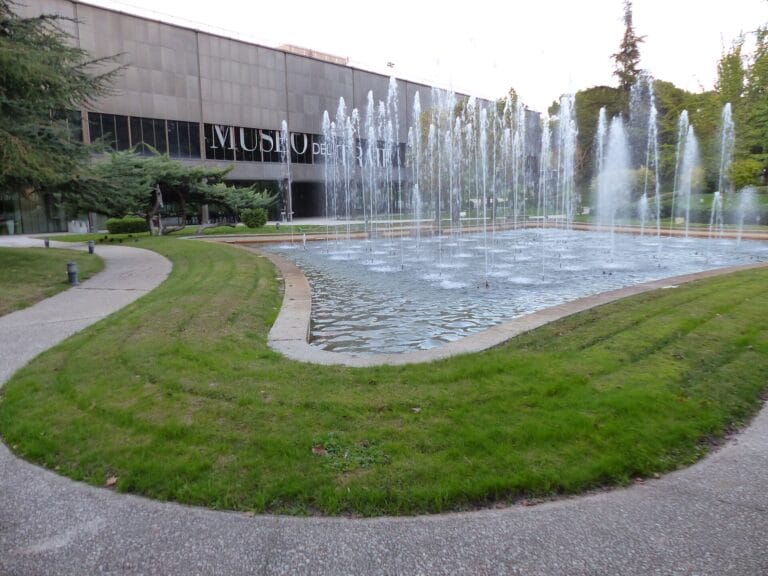
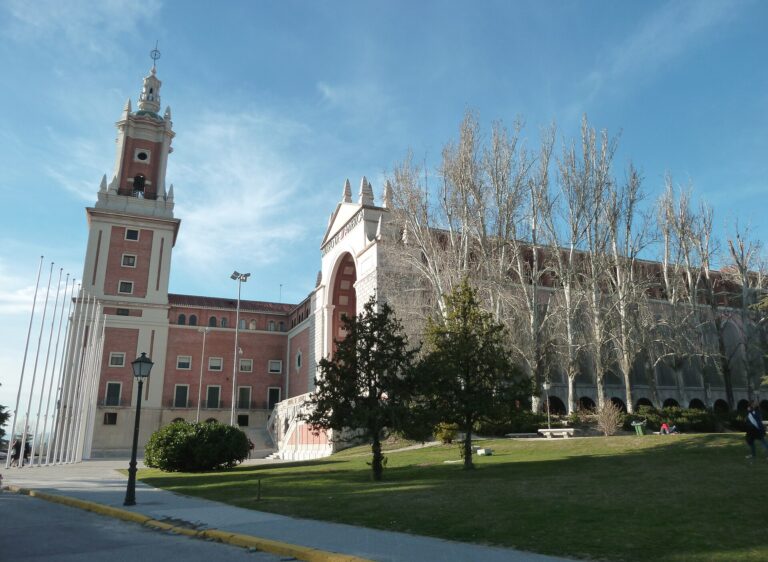
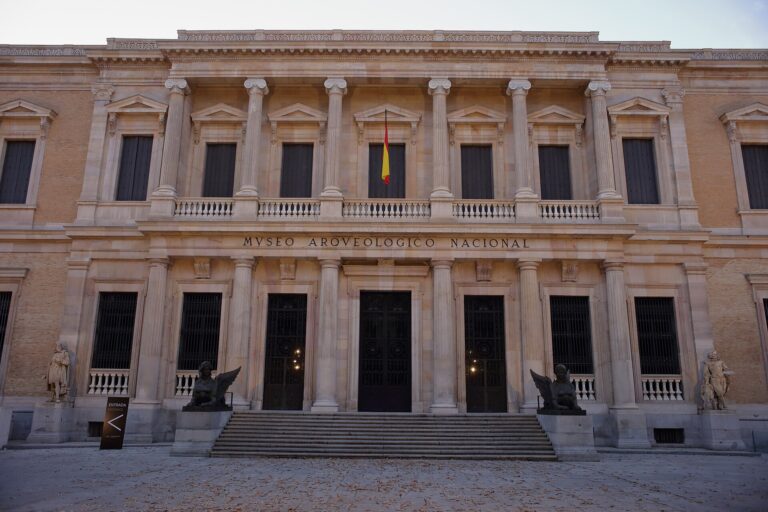
Visitors approaching the Museo Nacional de Antropología in Madrid will encounter a relatively modest exterior that aligns more closely with a functional exhibition space than an imposing temple of culture. The entrance façade presents a simple brick and glass frontage, characteristic of late 19th or early 20th-century construction adapted for public display. It does not rely on grand architectural theatrics but rather signals an institutional seriousness and a focus on scholarship. Signage and exterior lighting mark the building clearly, although the visual identity is understated compared to some of Madrid’s more prominent museums.
Inside, the lobby area is generally designed for orientation, housing basic visitor facilities and information points. While there is a noticeable absence of excessive decoration or grandiose entry halls, the space feels coherent with the museum's emphasis on content rather than spectacle. The immediate impression is one of an accessible, research-focused institution, with staff and signage oriented toward helping visitors navigate multiple galleries and thematic sections. This entry-level experience sets expectations for a museum concentrated on ethnographic artifacts and cultural narratives presented through cases, display panels, and occasionally multimedia resources.
Highlights and Key Exhibitions
The Museo Nacional de Antropología’s collection is organized around human cultural diversity, material traditions, and social practices. Its emphasis on ethnographic objects allows visitors to explore a broad geographical and thematic array, within limits defined largely by historical collecting priorities and Spanish colonial connections.
One of the key strengths is the museum’s extensive holdings of objects from Latin America, encompassing pre-Columbian artifacts, ritual paraphernalia, and everyday items from indigenous communities. This section offers a rare opportunity to view collections of textiles, ceramics, masks, and tools that provide insights into the material culture of groups such as the Aztecs, Mayans, and Andes peoples. It is not primarily an archaeological museum, so the focus tends to be on ethnographic context—how objects were used socially, ritually, and economically—rather than on detailed archaeological analysis. This approach offers interesting contrasts for those familiar with more excavation-oriented exhibits but might seem less complete to visitors seeking archaeological depth.
Equally notable is the coverage of Africa and Asia, albeit more limited in scale and concentration. Within these galleries, visitors encounter objects such as ceremonial masks, domestic artifacts, weapons, and personal adornments drawn from various ethnic groups. These items are contextualized through images, maps, and explanatory text that attempt to convey the cultural meanings and functions of objects, although language and interpretive materials occasionally remain brief or technical.
The museum also devotes space to the ethnographic diversity within Spain itself, highlighting the cultural traditions of different Spanish regions and communities. This comparative lens helps to situate the international collections within a wider reflection on cultural identity, tradition, and change. Visitors learning about the customs of Catalonia, Andalusia, or Galicia will find traditional costumes, folk objects, and audiovisual displays that bridge the local and global.
Anthropological collections from Oceania and the Pacific Islands are less extensive but include important material reflecting the cultural variety of these regions. While not extensive, these objects contribute to a more global survey and confirm the museum’s intent to represent a range of cultures across continents.
One aspect that should be noted is the presentation style. Displays are predominantly case-based, employing traditional museum methods with object labels, photographs, and some map graphics. Multimedia or interactive elements are present but sparing. This can appeal to visitors interested in clear, straightforward documentation but might feel less dynamic compared to institutions embracing digital engagement or theatrical narrative.
Visitor Experience
The Museo Nacional de Antropología offers a visitor experience that is most rewarding for those with a genuine interest in ethnography, cultural history, and non-European traditions. The museum’s layout facilitates a roughly thematic or regional circuit, allowing visitors to make their own pace choices, which is suited to both focused visits and broader strolls through sections.
Interpretive material is generally clear, supplemented by illustrations and occasional audiovisual components, but it leans toward the concise rather than the elaborate. This makes the museum approachable to audiences familiar with anthropological basics, yet it may demand a degree of prior interest or willingness to study texts for visitors less versed in ethnology. International visitors with limited Spanish skills might encounter some barriers as not all interpretive content is available in multiple languages.
The museum generally avoids overwhelming visitors with the volume of objects, favoring selected key pieces and coherent groupings to provide cultural and historical context. At the same time, the space layout is functional without luxury or whimsical design flourishes. Expect corridors, display cases, and sections that feel more like a reference institution than an entertainment-driven venue.
Family visitors or casual tourists might find the museum dense or less immediately engaging compared to other Madrid cultural venues geared to broad leisure appeal. However, educators, researchers, and those with focused interests in anthropology or ethnography will appreciate the depth and specificity of the collections and the straightforward use of pedagogical tools.
Tickets, Access, and Planning
Details regarding tickets, admission conditions, opening hours, or visitor services at the Museo Nacional de Antropología should be confirmed directly through the institution’s official communications before planning a visit. Information about discounts, booking requirements, or accessibility services is best verified closer to the intended date of attendance since such provisions can change.
Potential visitors should also take into account the museum’s location and available transport links, which are generally well connected given its position in central Madrid. However, since the building is somewhat understated, newcomers to the city might need to pay attention to signage to avoid overlooking the museum’s entrance.
While the museum’s internal navigation is orderly, visitors should allocate time according to personal interests and reading speeds. Given the detailed nature of displays, a visit can range from shorter passerby sessions to longer, more immersive engagements. Group visits or educational outings might benefit from prior inquiries regarding onsite support or guided tours.
Final Verdict
The Museo Nacional de Antropología in Madrid serves as a focused national institution dedicated to cultural diversity through ethnographic collections. It stands out for the breadth of its holdings from Latin America, its credible representation of African, Asian, and Pacific cultures, and its inclusion of Spanish regional traditions. The museum’s priorities align with scholarship and education rather than spectacle, creating a steady and serious venue for exploring human cultural expressions.
Its limitations include a more traditional and somewhat restrained presentation style, which may not satisfy visitors seeking highly interactive or multimedia-rich experiences. Language options and interpretive depth vary, so those without some prior anthropological interest could find parts of the visit challenging or less engaging. It also does not portray archaeological material with the depth or emphasis that some audiences might expect in a museum addressing indigenous histories.
Overall, the Museo Nacional de Antropología is a strong resource for those interested in cultural anthropology, ethnographic material culture, and Spain’s historical and contemporary connections to global societies. Its collections and educational approach provide substance, even if the visitor experience demands patience and a degree of scholarly curiosity. For individuals and groups prioritizing cultural specificity and traditional museum education, it offers a reliable and worthwhile visit. But visitors should check official sources to confirm current visitor information and consider how the museum’s style aligns with their expectations and interests.