Confucius Museum
Museums · Qufu, China. The Confucius Museum in Qufu, China, serves as a dedicated cultural and historical institution centered on the life, teachings, and legacy of Confucius (Kongzi), the ancient Chinese philosopher whose ideas have deeply influenced Chinese…
Best forMuseum lovers, culture travelers, first-time visitors
Setting / nearbyQufu, China
Overview
The Confucius Museum in Qufu, China, serves as a dedicated cultural and historical institution centered on the life, teachings, and legacy of Confucius (Kongzi), the ancient Chinese philosopher whose ideas have deeply influenced Chinese society and East Asian culture for over two millennia. This museum functions as a place where visitors can gain insight into Confucian philosophy in more tangible terms through artifacts, documents, and interpretive displays. Qufu, as the birthplace of Confucius, maintains close historical ties to his heritage, and the museum continues that tradition by collecting and presenting materials related to Confucianism across various periods.
As a museum offering a focused thematic experience, the Confucius Museum stands apart from broader historical museums by concentrating on intellectual history, ritual objects, and classical texts. It aims not only to showcase the man known as a teacher and thinker but also to reflect how his ideas have been interpreted, preserved, and revered in China and beyond. The museum fits into a larger landscape of heritage sites in Qufu, including the Confucius Temple and Cemetery, but it takes a more curated, museum-style approach rather than that of a religious or memorial site.
Collection Highlights
The core strength of the Confucius Museum lies in its collection of artifacts that relate directly or indirectly to Confucius and Confucian thought. Expect to find an assortment of historical documents, such as classical commentaries on the Analects and other Confucian texts. These texts are sometimes accompanied by prints, calligraphy scrolls, and annotations that demonstrate how Confucian teachings were studied and transmitted through various dynasties.
The museum also holds ritual objects linked to Confucian ceremonies, including robes, musical instruments, and sacrificial implements. These illuminate the ceremonial aspect of Confucianism, underscoring its role not just as a philosophy but as a system embedded in social and religious practices. Visitors may encounter statues and portraits depicting Confucius, some of which date back centuries and offer insight into how his image was shaped and revered in different eras.
Of particular note are objects related to the Kong family, Confucius’s descendants, who historically played custodial roles safeguarding his heritage in Qufu. Items from their private collections, including genealogical records, seals, and official documents, speak to the continuation of Confucian lineage and its political and cultural significance. The museum may also touch on the broader influence of Confucius outside China, although its primary focus remains firmly on domestic cultural history.
While the collection is comprehensive in scope related to Confucius’s life and influence, it may not engage extensively with critical or comparative perspectives on Confucianism’s role in modern society, so visitors interested in contemporary critiques or global philosophical comparisons may find the coverage primarily traditional and historical.
Building and Setting
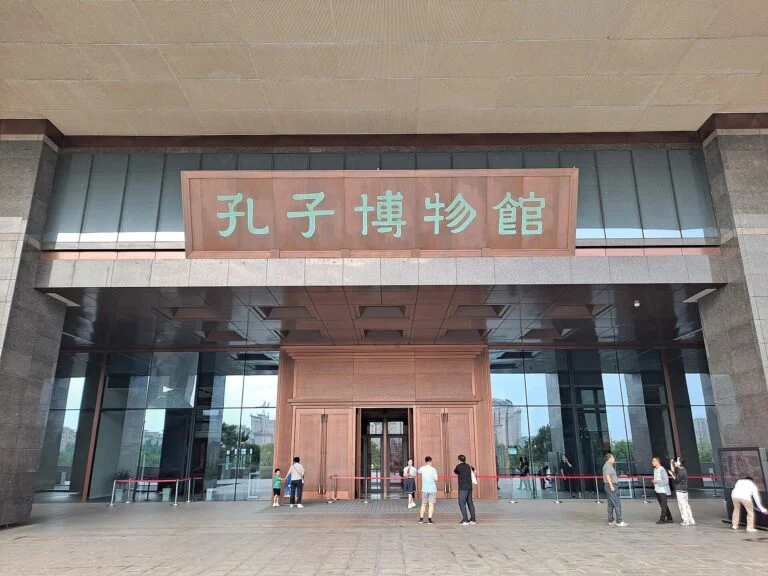
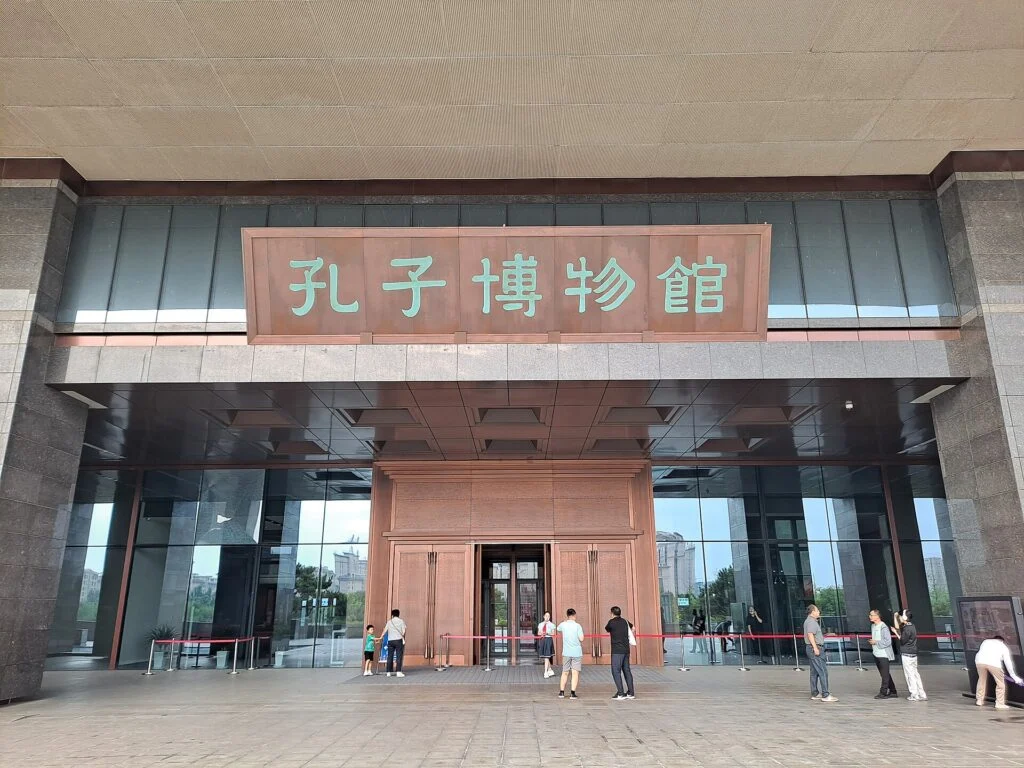
The Confucius Museum is situated in Qufu, a city that holds profound historical and cultural resonance as the birthplace and memorial city of Confucius. The museum’s location likely complements the other prominent heritage sites nearby, such as the Confucius Temple and the Cemetery of Confucius, which together form a significant cultural precinct devoted to the Confucian legacy.
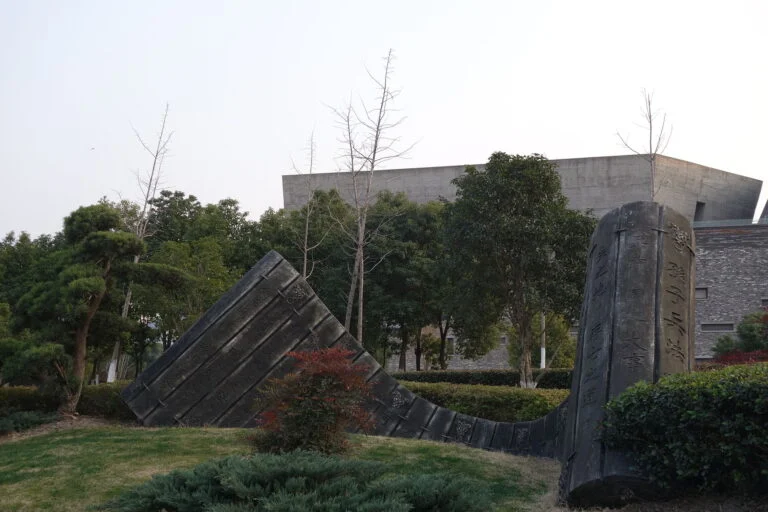
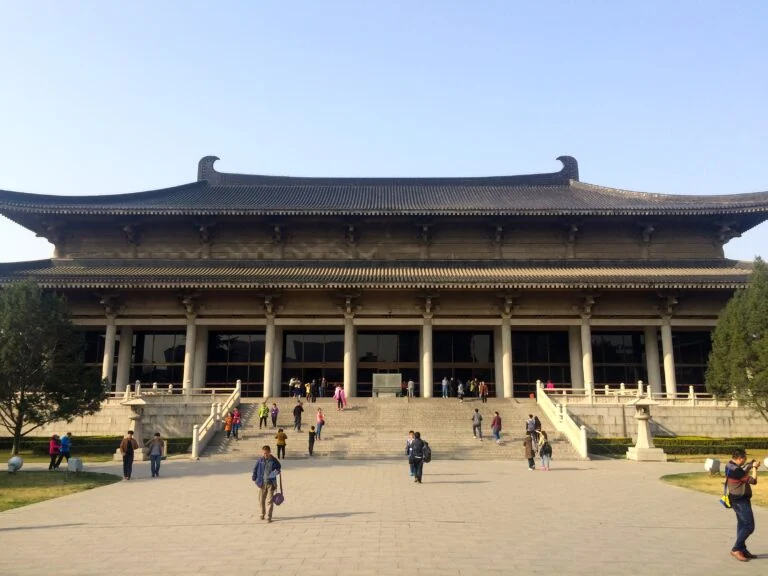
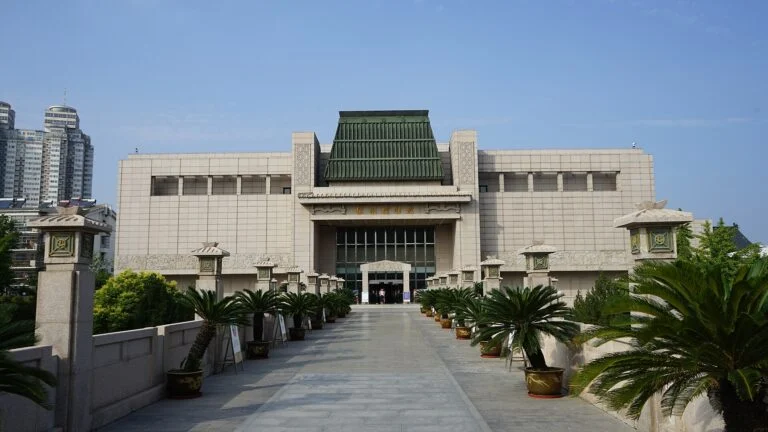
The building itself is designed to support a museum environment suitable for display and scholarship rather than a devotional space. Architectural details tend to respect traditional Chinese styles and echo the aesthetics appropriate for a site commemorating a figure of Confucius’s stature, though it functions primarily as a museum rather than a shrine or temple.
The spatial layout and exhibition design probably emphasize clarity and accessibility, aiming to guide visitors through Confucius’s biography, his teachings, and their cultural manifestations in chronological or thematic sequence. This arrangement helps create a narrative flow, facilitating understanding and reflection.
Practical Information
For those planning to visit the Confucius Museum, it is advisable to verify current visiting hours, ticketing requirements, and potential guided tour or audio guide options through the museum’s official website or local tourism resources before arriving. Admission policies, accessibility features, and on-site amenities such as restrooms or lockers may vary, and up-to-date practical details are essential for smooth planning.
Due to the museum’s nature and its connection to other cultural sites in Qufu, a visit to the Confucius Museum can be combined with trips to the Confucius Temple and Cemetery to form a fuller experience of Qufu’s historical landscape.
Because exhibits may involve delicate artifacts and documents, photography restrictions or limitations on touching exhibits may apply. Visitors with particular interest in deep study might contact the museum in advance to inquire about research access or publications for further inquiry.
Why Visit
Visiting the Confucius Museum offers a tangible way to engage with the figure of Confucius beyond abstract texts or distant historical lore. The museum provides carefully curated access to artifacts and visual materials that show how Confucianism was practiced, preserved, and evolved within Chinese culture.
It suits those interested in Chinese philosophy, religion, and cultural history, as well as visitors keen on understanding the social rituals and intellectual traditions tied to one of China’s foundational thinkers. The museum emphasizes continuity and the deep roots of Confucian thought in everyday life and governance, helping bring clarity to a philosophy that is often taught in the abstract.
However, the museum’s focus on traditional presentations means that visitors expecting critical analysis of Confucius’s impact under modern or alternative perspectives might find the exhibit somewhat limited in this regard. Instead, it excels as a source for appreciating the historical and cultural weight of Confucius as a figure venerated through centuries.
In sum, the Confucius Museum offers a distinct experience for visitors who want to engage with China’s philosophical heritage in situ and learn about the rituals, texts, and objects that have shaped one of the world’s longest-lasting intellectual traditions. Its setting in Qufu ties the museum indelibly to its subject and provides context that enriches the visitor’s understanding of both Confucius and the city itself.