Prototyp Museum Review
Automobile Museums · Hamburg, Germany. The Prototyp Museum in Hamburg, Germany, occupies a distinct niche within the city’s broad cultural landscape, focusing intently on the history and evolution of automotive design and engineering. Hamburg, long a significant industrial and…
Automobile Museums · Hamburg, Germany. The Prototyp Museum in Hamburg, Germany, occupies a distinct niche within the city’s broad cultural landscape, focusing intently on the history and evolution of automotive design and engineering. Hamburg, long a significant industrial and…
Best forMuseum lovers, culture travelers, first-time visitors
Review focusCollections, visitor experience, and practical planning
Historical Context
The Prototyp Museum in Hamburg, Germany, occupies a distinct niche within the city’s broad cultural landscape, focusing intently on the history and evolution of automotive design and engineering. Hamburg, long a significant industrial and trading hub, naturally serves as a fitting backdrop for this institution, which traces the story of pioneering developments in mobility and technology. Unlike larger, more generalized transport museums, the Prototyp narrows its scope to the realm of prototype vehicles, offering an account not just of finished products but of ideas, experiments, and technological ambitions over the years.
Founded in the early 21st century, the museum anchors its identity in the dynamic space between conceptual design and manufactured reality. It highlights the innovations that influenced the automotive industry worldwide, emphasizing German and European contributions alongside international contexts. The museum’s development reflects Hamburg’s modern commitment to industry and innovation, neatly complementing local engineering traditions while appealing to enthusiasts keen on the technical and artistic facets of automotive creation.
This focus signals a museum that aims to attract visitors with a serious interest in how vehicles have evolved—not purely as transport machines, but as prototypes encapsulating design challenges, engineering problem-solving, and the feasible yet unfulfilled directions in automotive history. Its position and curation underscore Hamburg’s role in industrial experimentation and design, making the Prototyp Museum a specialized stop on the cultural itinerary of Germany’s northern economic capital.
What You See on Arrival
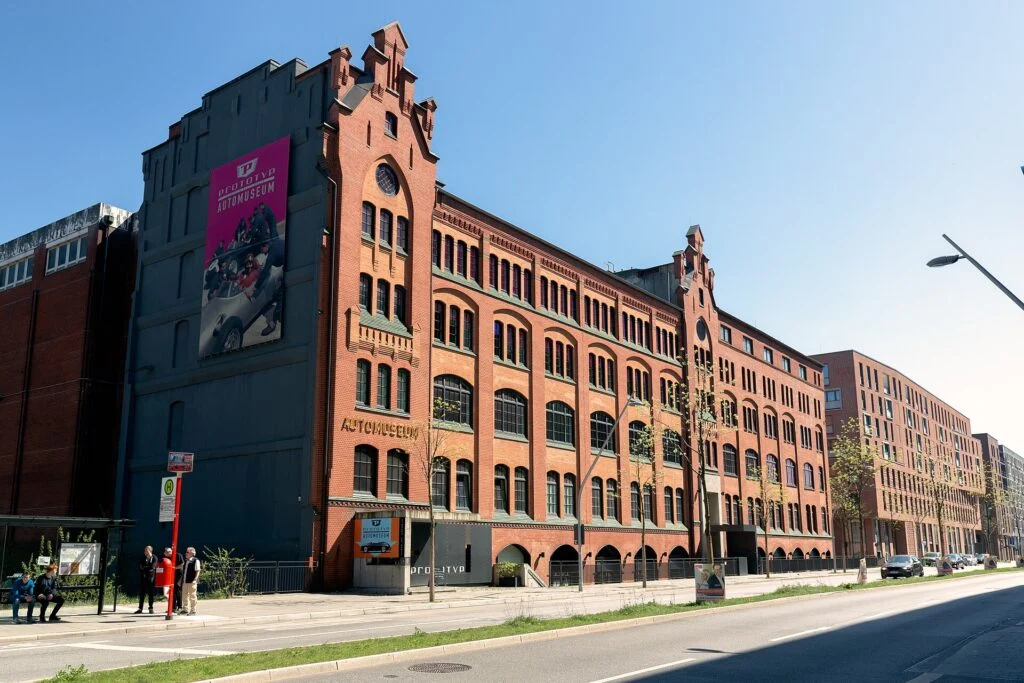
Upon approaching the Prototyp Museum, visitors are met with a location that is straightforward but unpretentious, reflecting its industrial heritage and practical emphasis rather than grand architectural gestures. The exterior architecture often conveys a workshop-like atmosphere, signaling the museum’s focus on technical craftsmanship and the hands-on process of vehicle development. Visible glass facades or large windows may offer glimpses inside, inviting curiosity by revealing some of the vehicles or parts displayed near the entrance.
The initial framing of the museum experience leans toward clarity and purpose. Signage typically positions the institution as a place to explore the history of prototype cars, emphasizing the transient, experimental nature of these machines. There is little attempt to craft a theatrical opening or an overwhelming sensory engagement at the threshold; instead, the building’s identity is anchored in practical design cues and a clean presentation style that avoids overwhelming the visitor right away.
Inside the entrance area, visitors usually find an introductory space that sets out the museum’s mission and the historical context for the exhibits ahead. This transitional zone helps place the displays that follow within the continuum of design, engineering, and manufacturing work. Seating areas or informational panels commonly provide first orientation points, giving visitors room to absorb the goals of the institution and prepare for a focused journey through automotive prototypes across the decades.
The atmosphere here can feel contemplative rather than busy or bustling, hinting at a museum that values detailed attention over high throughput or entertainment-focused crowd control. The clear identity at arrival makes the Prototyp Museum well suited to visitors who want a deliberate and somewhat technical exploration of automotive innovation rather than a broad popular spectacle.
Highlights and Key Exhibitions
The core strength of the Prototyp Museum lies in its collection of prototype vehicles that span early automotive experimentation through to contemporary concept cars. The collection emphasizes the iterative nature of vehicle development. Rather than focusing solely on production models, the museum invites visitors to examine the steps before mass manufacturing—vehicles that represent tests of form, function, technology, and style that may never have reached large-scale production but nonetheless shaped what came after.
German automotive development features prominently, with prototypes related to brands that played key roles regionally and nationally. Visitors can expect to see early 20th-century designs reflecting the dawn of the automobile, including some of the very first motorized vehicles and unique attempts at integrating novel mechanical solutions. These historic pieces underscore how engineers balanced innovation with material limitations and shifting consumer demands.
Moving into the mid and late 20th century, the museum presents experimental designs that highlight advances in aerodynamics, safety features, and fuel efficiency. Prototypes from the postwar boom illustrate how economic and political conditions influenced automotive trends. The collection includes prototypes that experimented with body materials, shapes, and drivetrains, each reflecting a moment in technical inquiry or design philosophy.
Contemporary prototypes introduce a dialogue between tradition and futurism. These are often concept cars that suggest directions for future vehicle technology, exploring electric powertrains, new aerodynamic profiles, and user interface innovations. Though these may be less well-known models outside specialist circles, they provide a window into the evolving concerns of the automotive industry, including environmental impact and changing patterns of mobility.
The thematic layout inside the museum typically encourages visitors to consider each stage of automotive evolution in relation to the engineering challenges faced, as well as the cultural and industrial contexts. Exhibits detail the shift from hand-crafted to industrial production methods, the transition from combustion engines to hybrid and electric concepts, and evolving safety and comfort features.
Interpretive materials commonly include engineering drawings, prototype schematics, early test footage, and comparative displays, which enrich the physical vehicles with context and explanation. This focus on technical process and design rationale sets the Prototyp Museum apart from broader automobile museums that may emphasize social history or commercial success more than technical experimentation.
Though the collection is specialized, it is far from niche in appeal. Automotive students, design professionals, engineers, and those interested in the mechanical arts will find the exhibits rewarding for their depth. At the same time, the clear narrative structure and accessible presentation mean that even visitors without a technical background can follow the development stories if prepared for a focused, sometimes detailed encounter.
Visitor Experience
Visitors to the Prototyp Museum can expect a relatively measured pace encouraged by the layout and interpretive style. The museum’s design does not rush the visitor through a crowded hall but rather invites sustained attention to each prototype and its associated information. The spatial arrangement tends to favor allowing visitors to move sequentially through historical phases of automotive design, facilitating an understanding of development over time.
Interpretation leans towards clarity and detail rather than dramatic storytelling or entertainment. This is likely to suit audiences interested in the mechanics and history of innovation, as well as those who appreciate the less visible aspects of automotive culture—the “what if” scenarios applied to car design and technology. Some visitors might find the emphasis on technical and developmental contexts a bit dense if seeking a purely visual or popular appeal, but the museum generally balances specialist content with accessible explanations to remain welcoming.
Hands-on or interactive elements are not a significant feature here, reflecting the museum’s archival and preservation priorities. Instead, the focus is on authentic artifacts, models, and extensive documentation. The absence of large-scale interactive displays means the museum relies on physical vehicles and well-curated interpretive panels to communicate its themes.
The overall experience rewards patience and curiosity. The Prototyp Museum appeals to those who want to understand the engineering and design decisions that shape vehicles before they reach the consumer market. However, for audiences looking for a broader cultural or social history of cars, or a more varied museum experience combining multiple transport modes or periods, this museum’s scope may feel narrow.
Visitor flow is generally manageable due to the museum’s targeted appeal and spatial design, which often avoids overcrowding. The museum can be comfortably explored without rush, making it suitable for repeat visits or more focused study visits. Educational groups with a particular interest in automotive design or engineering may find the environment conducive to learning and discussion.
Tickets, Access, and Planning
The Prototyp Museum is located in Hamburg, accessible by public transit and within a city that offers a variety of visitor amenities. Practical details such as opening hours, admission costs, available discounts, guided tours, and accessibility features should be confirmed directly on the museum’s official website before planning a visit, as these can change and vary seasonally.
Given its specialized nature, the museum does not generally expect or accommodate high visitor volumes typical of larger, more tourist-oriented institutions. Visitors benefit from this as it allows for a focused, less crowded experience but also means that the museum may not always be staffed with extensive visitor services.
The museum’s layout and physical environment appear to prioritize preservation and display conditions for delicate prototype vehicles, so visitors should prepare for standard museum etiquette regarding photography and interaction with exhibits. Planning a visit around calmer times during the week may yield a more peaceful experience.
While accessibility information is not always prominently detailed, the museum’s modern setting suggests some level of accommodation; however, visitors with specific mobility or sensory needs should verify arrangements in advance to avoid surprises.
Final Verdict
The Prototyp Museum in Hamburg presents a strongly defined and deeply specialized museum experience centered on the history and technology of automobile prototypes. It stands apart from general transport or automobile museums by concentrating on vehicles that never became commercial hits but represent critical experimental moments in engineering and design.
This focus makes the Prototyp Museum an excellent resource for visitors who bring a keen interest in automotive technology, engineering design processes, and the history of industrial innovation. The museum’s collection documents the progression of automotive experiments with clarity and an eye for technical detail, supported by well-presented historical context.
However, the museum’s narrowed focus can pose limits for those seeking a broader cultural, social, or economic history of automobiles or a more multisensory museum visit. It lacks the entertainment elements and broad storytelling that can engage casual visitors more thoroughly. The experience favors contemplation over spectacle, demanding some prior interest or patience for technical themes.
Practical considerations suggest that visitors should come prepared and informed by checking official sources for current information on tickets, hours, and facilities. While not a major tourist draw, the museum offers a valuable encounter with automotive history’s developmental stages often overlooked by larger institutions.
In sum, the Prototyp Museum occupies a clear and defensible place within Hamburg’s museum ecosystem. It preserves and highlights a fascinating but less visible aspect of automotive history, presenting vehicles as instances of invention and testing rather than just machines for transport or status. For those inclined towards automotive design, engineering, and prototype culture, it provides a focused and understated but rich museum experience. For others, it may remain a more specialized interest worthy of consideration secondary to broader museum visits in Hamburg.