PS.SPEICHER Review
Automobile Museums · Einbeck, Germany. PS.SPEICHER is located in the town of Einbeck, Germany, and stands as a unique repository dedicated to the history of mobility, with a particular focus on motorcycles, bicycles, and automobiles. The museum is housed…
Automobile Museums · Einbeck, Germany. PS.SPEICHER is located in the town of Einbeck, Germany, and stands as a unique repository dedicated to the history of mobility, with a particular focus on motorcycles, bicycles, and automobiles. The museum is housed…
Best forMuseum lovers, culture travelers, first-time visitors
Review focusCollections, visitor experience, and practical planning
Historical Context
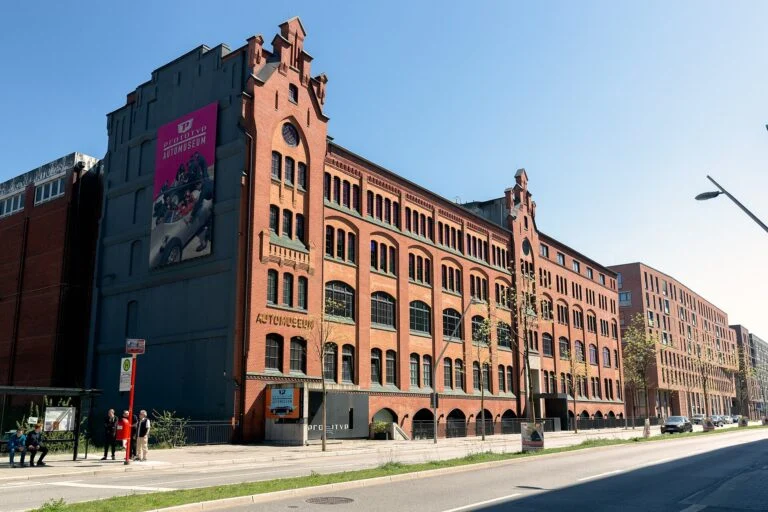
PS.SPEICHER is located in the town of Einbeck, Germany, and stands as a unique repository dedicated to the history of mobility, with a particular focus on motorcycles, bicycles, and automobiles. The museum is housed in a converted granary—previously a storage and trading center for cereals—which reflects the town’s agricultural heritage. Founded to preserve and display vehicles and related artifacts, PS.SPEICHER’s collection documents the evolution of personal transport in Germany and Europe from the late 19th century onwards.
The location in Einbeck is practical and symbolically fitting, as the town has longstanding ties to craftsmanship and trade, industries closely intertwined with the production and maintenance of mobility. The transformation of a former industrial building into a museum space echoes broader trends in industrial heritage preservation, repurposing historical sites for cultural use.
PS.SPEICHER's assembly of vehicles and memorabilia covers several decades of technological advancement as well as social change. It examines not only the mechanical developments of motorcycles and cars but also their cultural significance—from their initial novelty to their role in shaping lifestyle and mobility patterns. In this way, PS.SPEICHER is part of a network of motor museums within Europe that contextualize transport history beyond engineering, addressing themes of everyday life, industrial design, and the societal impact of mobility.
What You See on Arrival
Approaching PS.SPEICHER, visitors are immediately aware they are entering a space that bridges past and present. The imposing granary itself lends a distinctive atmosphere—its tall, utilitarian lines contrast with the detailed vehicles displayed inside. This building, with its large windows and industrial shell, sets the tone for a museum that is both historical and technical.
Visitors typically encounter a spacious entrance area that functions as a lobby, ticketing zone, and orientation point. The museum's visual branding emphasizes its subject matter clearly, with large-scale photographs or signage that link to the themes of motorized transport. This external presentation expresses a commitment to mobility history without overwhelming visitors with nostalgia; instead, it signals a combination of technical history and cultural narrative.
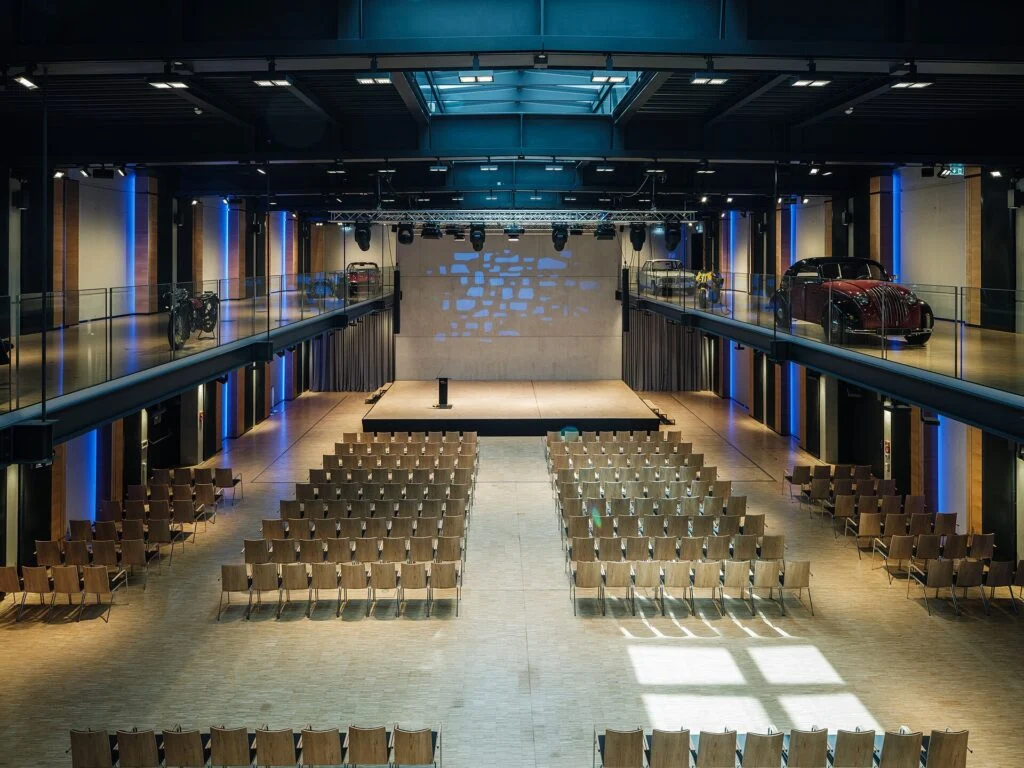
Inside, the museum’s identity manifests through a layout designed to balance chronological progression with thematic clustering. Visitors can anticipate a sense of order—vehicles arranged not haphazardly but in ways that narrate a story across time, geography, and technology. The museum’s choice to showcase motorcycles alongside cars and bicycles signals a broad understanding of transport history rather than a narrow focus.
Highlights and Key Exhibitions
The core of PS.SPEICHER’s appeal lies in its extensive and varied vehicle collection. The museum houses a broad spectrum of motorcycles spanning early makes from the late 19th century through to more recent models. This includes rare and significant pieces illustrating technological innovation, such as early two-stroke engines, unique frame constructions, and distinctive styles from different manufacturers.
Equally important is the automobile selection. The cars on display chart the transition from horse-drawn carriage-like vehicles to streamlined mid-20th-century designs. German manufacturers naturally feature prominently, given the museum’s location and the historical centrality of Germany in automotive innovation. The collection is strong on marques that have had significant influence, including less common brands and prototypes that illustrate the experimental phases of automotive engineering.
The bicycles within the museum serve both as historical artifacts and as a connective thread between human-powered and motorized transport. These include early velocipedes and later models that reflect changing materials and constructions over time. Their presentation helps visitors understand the roots of motorized transport and the technological and social evolution from simple pedal-power to mechanized vehicles.
PS.SPEICHER also places emphasis on the experience of motoring—the clothing, tools, and advertising materials associated with vehicle ownership and use. These auxiliary objects add texture to the main exhibits and help clarify not only the machines themselves but the contexts in which they operated.
Exhibitions are arranged to allow comparison across periods and types of vehicles. Vehicles are showcased in a way that highlights design changes, mechanical details, and sometimes user stories, though the museum largely emphasizes the objects themselves over extensive written interpretation. The spaces are open but thoughtfully planned, allowing visitors to examine details closely and to appreciate the scale and craftsmanship of each piece.
The museum refrains from overloading the visitor with exhaustive technical data or dry chronological lists. Interpretive materials tend to balance technical explanation with anecdotal information. However, those with a particular interest in engineering or motor history will find that the catalogue of vehicles provides significant depth, documented through labelling and multimedia presentations.
Visitor Experience
The general pace suggested by PS.SPEICHER’s layout encourages a considered viewing experience. Visitors can proceed at their own rhythm through the exhibits, which are grouped logically by vehicle type and era. The museum avoids a frenetic rush through its spaces but also does not impose a rigid route, allowing a degree of flexibility.
PS.SPEICHER is well suited to audiences with at least a moderate interest in mechanics, design, or transport history. Families with children interested in engines and vehicles will find much to engage with, though the museum does not heavily employ child-specific interpretive tools. While the museum offers educational appeal, it is probably not aimed primarily at casual tourists unfamiliar with transport history.
The museum’s use of multimedia elements varies. Some dispatches of information come via video or screens integrated with exhibits, offering technical insights or historical context. This can enrich the experience but is not overwhelming in volume, which allows visitors who prefer to explore visually and on their own terms some unencumbered space.
One potential limitation for visitors may be the density of the collection, which could challenge those not accustomed to reading technical materials. While the museum’s design is open and the cadence measured, newcomers to vehicle history might find parts of the exhibition more rewarding with prior background knowledge or guided support. The museum’s presentation style favors quiet contemplation over interactive play, which reflects its focus on material culture and historical preservation.
In terms of physical flow, the granary’s vertical height and open floors allow good visibility and make for a sensible circulation pattern. The lighting and display conditions appear to have been handled with care, highlighting details without excessive glare or shadow.
Tickets, Access, and Planning
For practical planning, it is advisable for potential visitors to consult the official PS.SPEICHER website to verify current visitor information. The museum’s hours, admission fees, and available concessions may vary seasonally or due to special considerations. Up-to-date information will ensure smooth planning and avoid disappointment.
Accessibility specifics, such as facilities for visitors with reduced mobility, and particulars about guided tours or audio guides, are best checked directly with the museum. PS.SPEICHER’s location in Einbeck means that arriving by regional transport or private car is feasible, though local specifics should be reviewed in advance.
As the museum occupies a large, converted industrial building, some areas may not be suitable for all visitors, though no clear limitations are documented. Visitors anticipating physical needs or special requirements should seek official advice to confirm accessibility.
Final Verdict
PS.SPEICHER presents an authoritative and thoughtfully curated overview of personal mobility’s development from the late 19th century onward. Its housing in a former granary adds architectural interest and a tangible link to the industrial past while providing a practical and spacious environment for display.
The museum’s strength lies in the breadth and depth of its vehicle collection. Motorcycles, cars, and bicycles come together to form a cohesive narrative that emphasizes the mechanical ingenuity and cultural importance of personal transport. The inclusion of accompanying artifacts lends a human dimension to the machines.
While the museum’s approach to interpretation is generally clear and informative, those without some existing interest or background in mobility history might find parts of the exhibition more challenging to fully absorb. The experience benefits from a measured pace but does not cater heavily to casual or non-technical audiences with interactive elements or simplified narratives.
Overall, PS.SPEICHER serves well as a resource for enthusiasts and more serious students of vehicle history and design, as well as those interested in German industrial heritage. It invites visitors to reflect not only on engineering milestones but also on how these vehicles shaped everyday life in the modern era.
Prospective visitors should verify operational details before arrival and consider their own interests to gauge how well the museum fits their expectations. The museum offers a substantial collection within an architecturally distinctive setting, rewarding those ready to engage with its detailed presentations and appreciate the story of mobility in Germany and beyond.