Museo Archeologico Regionale Paolo Orsi Review
Archaeology Museums · Syracuse, Italy. The Museo Archeologico Regionale Paolo Orsi, located in Syracuse on the island of Sicily, is one of Italy’s foremost archaeological institutions dedicated to the rich heritage of the region. Named after Paolo Orsi, a…
Archaeology Museums · Syracuse, Italy. The Museo Archeologico Regionale Paolo Orsi, located in Syracuse on the island of Sicily, is one of Italy’s foremost archaeological institutions dedicated to the rich heritage of the region. Named after Paolo Orsi, a…
Best forMuseum lovers, culture travelers, first-time visitors
Review focusCollections, visitor experience, and practical planning
Historical Context
The Museo Archeologico Regionale Paolo Orsi, located in Syracuse on the island of Sicily, is one of Italy’s foremost archaeological institutions dedicated to the rich heritage of the region. Named after Paolo Orsi, a pioneering archaeologist whose work in the late 19th and early 20th centuries significantly shaped understanding of Sicily’s ancient past, the museum anchors its identity in the Mediterranean context where Greek, Roman, Phoenician, and indigenous cultures intersected. Situated in a city with a history spanning Greek colonization, Roman rule, and Byzantine and Norman influence, the museum reflects centuries of cultural layering that have left an extensive archaeological record.
Founded in the early 20th century, the collection has grown through systematic excavations in Syracuse and the surrounding areas, one of the most archaeologically dense regions in the Mediterranean. It aims to document the human activity from prehistory through to the late Roman period, with a strong emphasis on the Classical world and the complexities of Sicilian identity at different moments in history. The museum’s location in Syracuse complements its contents; the city itself is a UNESCO World Heritage site, and the museum allows visitors to gain broader context that deepens appreciation of the sites they may see outdoors.
What You See on Arrival
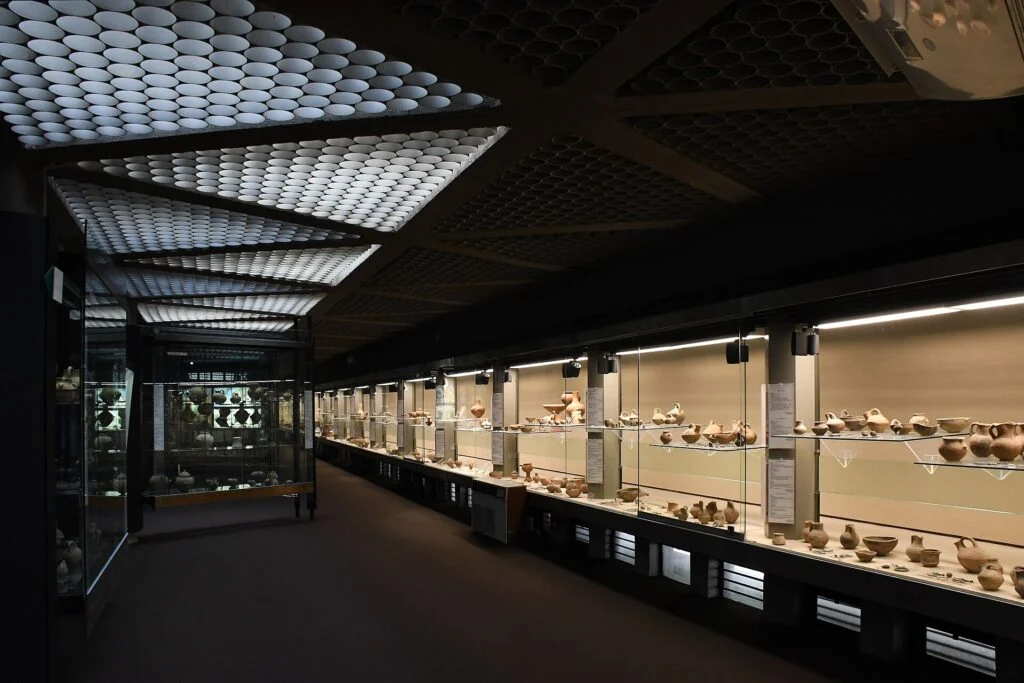
Approaching the Museo Archeologico Regionale Paolo Orsi, visitors encounter a modernist building notably designed to house an extensive and often fragmented collection. The architecture is functional, prioritizing the needs of conservation and exhibition over ornate design, which matches the scholarly nature of the institution. The location, somewhat removed from the bustling city center, lends the museum a quieter atmosphere conducive to study and reflection.
Upon entering, visitors are immediately confronted with the museum’s serious dedication to archaeological research, signaled by a spacious entrance hall that often frames introductory materials and maps outlining the regional archaeological timeline. The museum’s identity as a guardian of Sicilian antiquities is strongly conveyed through clear signage, guiding visitors into a series of galleries arranged thematically and chronologically.
This layout helps frame the visitor’s journey as one that traces the development of cultures and civilizations that inhabited the island—allowing a structured exploration rather than a purely visual or random succession of artifacts. This approach emphasizes historical progression and cultural interaction, which sets expectations that the visit will be educational and detail-rich, rather than purely aesthetic.
Highlights and Key Exhibitions
The core strength of the Museo Archeologico Regionale Paolo Orsi lies in its extensive collection of artifacts that illustrate Sicily’s ancient history across several millennia. Among the highlights are holdings from the prehistoric period, where visitors encounter stone tools, ceramics, and funerary objects that shed light on the island’s earliest inhabitants. These pieces provide valuable context on Neolithic and Bronze Age communities, inviting reflection on early human adaptation in the Mediterranean environment.
A significant portion of the museum's collection is devoted to the Greek period, crucial because Syracuse was once one of the most powerful Greek city-states outside mainland Greece. The museum displays an impressive range of sculptures, pottery, and architectural fragments that document the city’s artistic and political prominence. Particular objects of note include terracotta figurines and finely painted vases demonstrating both local production and imported artworks, illustrating Syracuse’s role in extensive trade networks.
One of the museum’s more compelling sections addresses the Classical and Hellenistic periods. Visitors here can study a range of sculptural works and inscriptions that illuminate political and social life—highlighting Syracuse’s strategic position in Mediterranean conflicts and alliances. For instance, the museum holds significant examples of funerary sculpture that speak to evolving religious beliefs and social hierarchies. The presence of both Greek and indigenous iconography reveals the island’s multicultural character.
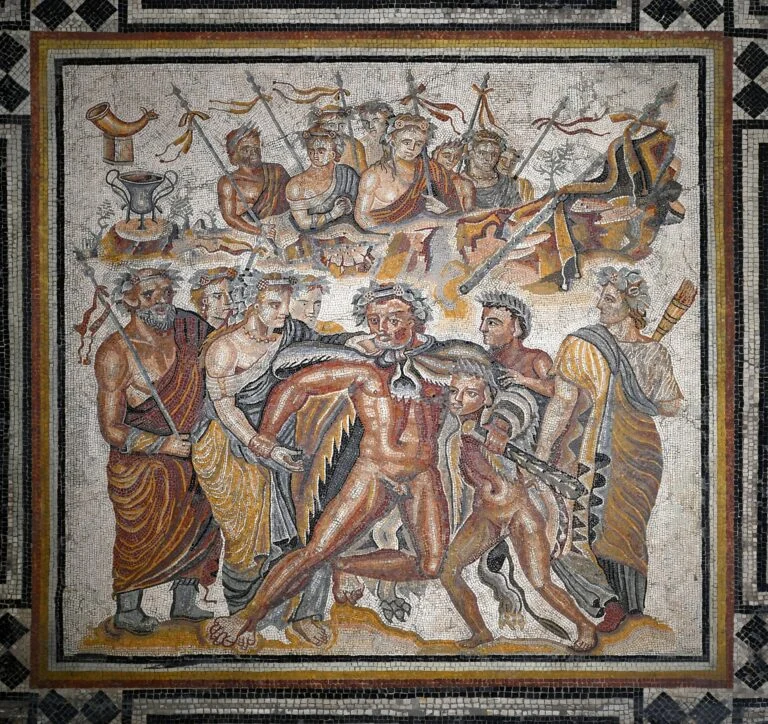
Roman-era material emphasizes both Syracuse’s integration into the Roman empire and the continuation of local traditions. Mosaics from wealthy villas, domestic artifacts, and coins reveal facets of Roman provincial life. These galleries provide an informative contrast to the earlier periods, showing shifts in style, technology, and administration.
Complementing the artifact displays, the museum also dedicates space to archaeological methodology and discovery, presenting tools and documentation from excavations that have shaped its collections. This inclusion caters to visitors interested in how archaeological practice informs historical knowledge.
While the museum’s permanent holdings offer a comprehensive survey of Sicilian archaeology, its presentation style is often dense. The textual information accompanying exhibits tends to be geared toward visitors already somewhat familiar with the region’s history or with archaeological terminology, which might challenge casual tourists or those without a strong background in classical studies.
Visitor Experience
The Museo Archeologico Regionale Paolo Orsi is best suited for visitors who come with a genuine interest in archaeology or in the history of Sicily and the broader Mediterranean basin. Those expecting a museum focused on large-scale reconstructions or interactive technology may find the experience more traditional and text-heavy. The collection is extensive, requiring patient visitors to take time to absorb details.
The museum’s layout provides a logical chronological flow, which helps to anchor the narrative of the island’s ancient cultures. However, the sheer volume of objects and information can overwhelm those seeking a brief or light visit. Exhibits tend to be displayed with careful attention to scholarly detail but without extensive narrative devices or simplifications for a general audience.
Interpretative materials are primarily in Italian, with some English labels on key exhibits, which can present a language barrier. While classic iconographic analysis is available, there is limited multimedia or interactive engagement to assist with contextual comprehension, an aspect that may affect the experience of younger visitors or those new to archaeology.
For researchers or those with prior study, the museum’s documentation and range of artifacts offer valuable insights, particularly in areas such as Greek ceramics, funerary art, and the transition from pagan to Christian practices. The museum’s scholarly programs and publications further extend its role beyond display into academic contribution.
Visitor flow is generally manageable, as the museum’s extensive physical footprint allows for comfortable circulation even during busy periods without congestion. However, the setting’s distance from Syracuse’s city center means that transit arrangements require some planning.
Tickets, Access, and Planning
Specific details regarding admission fees, discounts, guided tours, accessibility, and opening hours are subject to change and should be verified on the official museum website prior to any planned visit. The museum’s somewhat peripheral location outside central Syracuse means that visitors reliant on public transportation should allow extra time for travel and confirm schedules in advance.
The museum is housed in a building designed with climate control and preservation in mind, conditions which also generally provide comfortable indoor environments. However, large groups or visitors seeking interactive or highly visual experiences may find the museum less suited to their expectations.
Those with mobility challenges should consult official resources for up-to-date accessibility information, as older archaeological museums sometimes have limitations in this regard given the building’s historic fabric and the nature of displayed artifacts.
Final Verdict
The Museo Archeologico Regionale Paolo Orsi stands as a significant repository of Sicilian antiquities, offering depth and density in its portrayal of an island shaped by complex cultural exchanges. Its strengths lie in presenting a comprehensive archaeological narrative, anchored by substantial collections from prehistory through the Roman period. For visitors with a focused interest in Mediterranean archaeology or classical antiquity, the museum delivers a solid, research-oriented experience.
At the same time, the museum’s somewhat academic presentation style, limited multilingual resources, and lack of extensive interactive elements may reduce accessibility and immediate engagement for visitors without a specialist background. Its physical location outside the city center further requires thoughtful logistical preparation.
In summary, the Paolo Orsi Museum serves its mission as a scientific and cultural institution well, particularly for those committed to a careful exploration of Sicily’s past. It is less suited to casual or broad-spectrum tourism, where more interpretive or entertaining approaches might be expected. Proper preparation can help visitors make the most of what it offers: a substantive dive into one of the Mediterranean’s most historically rich areas. For anyone planning a visit, checking current visitor information and considering personal interests will be essential steps.