Maritime Museum of Tasmania Review
Maritime Museums · Hobart, Australia. The Maritime Museum of Tasmania is located in Hobart, a city with a longstanding and direct connection to maritime history. Tasmania’s geographic position and maritime heritage have been crucial since the early 19th century…
Maritime Museums · Hobart, Australia. The Maritime Museum of Tasmania is located in Hobart, a city with a longstanding and direct connection to maritime history. Tasmania’s geographic position and maritime heritage have been crucial since the early 19th century…
Best forMaritime history, ship lovers, port culture
Review focusMaritime collections, ship history, and visitor planning
Historical Context
The Maritime Museum of Tasmania is located in Hobart, a city with a longstanding and direct connection to maritime history. Tasmania’s geographic position and maritime heritage have been crucial since the early 19th century when Hobart was established as a strategic port and naval base. The museum serves to document and present this relationship between Tasmania’s inhabitants and the sea. This includes the era of European settlement, the indigenous interactions with coastal waters, and Tasmania’s ongoing role in maritime industries like shipping, shipbuilding, and sealing.
Founded with the intention of preserving Tasmania’s nautical past, the museum has evolved alongside increased interest in the broader historical narratives tied to maritime activity. It captures themes such as early navigation, convict transportation by sea, commercial fishing, and the development of Hobart as a port city. This local focus is significant because Tasmania, as an island state, has depended heavily on sea travel and trade, both historically and in recent times. The museum’s efforts to document this relationship highlight the technological, social, and economic dimensions of maritime life that underpinned the region’s growth.
What You See on Arrival
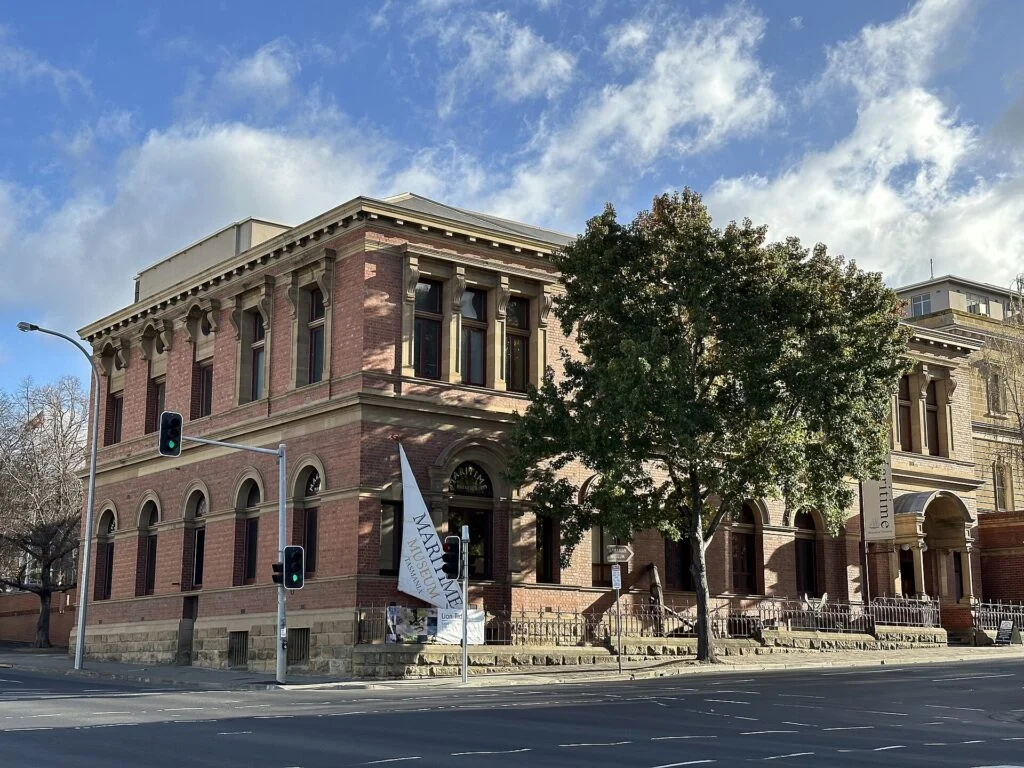
Visitors approaching the Maritime Museum of Tasmania are initially met by its urban waterfront setting, which ties the institution physically and thematically to the sea. The location near Hobart’s docks and harbor underscores the museum’s focus. While the architecture itself might not appear monumental compared to larger, national institutions, its scale and design reflect its role as a regional custodian of maritime history. The building sits amidst working port facilities and historic industrial structures, reinforcing the authenticity of the maritime environment that it interprets.
The entrance and exterior signage clearly identify the institution’s purpose and hint at the nautical content inside. Images or graphic panels outside may showcase vessels, maritime tools, or historic scenes, setting expectations for the type of collection and narratives to be encountered. This external framing prepares visitors for an exploration of both the technical and human elements of Tasmania’s maritime past. The museum makes no overt theatrical claims but rather presents itself as a carefully curated space dedicated to informing and preserving a specific body of maritime knowledge.
Highlights and Key Exhibitions
One of the Maritime Museum of Tasmania’s core strengths lies in its collection of ship models, some of which represent significant vessels that operated in Tasmanian waters. These detailed models serve as visual anchors for understanding maritime design evolution and local industry patterns. Alongside these are artifacts such as navigational instruments, shipboard equipment, personal effects of sailors and fishermen, and materials related to ship construction or repair. Together, these items paint a layered picture of life on and around the water.
The museum provides coverage of Tasmania's role in maritime trade routes that connected the island to mainland Australia, New Zealand, and beyond. It includes an examination of the whaling and sealing industries, which were economically important in the 19th century but are often less prominently covered in mainstream maritime histories. This focus brings a level of specificity and local context.
Additionally, the museum presents information on the convict era, showcasing how transportation to Tasmania by sea impacted the colony’s development. This aspect is not solely about the vessels themselves but also addresses the broader social history of those who came by ship and the maritime infrastructure that facilitated such movements.
Maritime safety and rescue operations form another core theme, with exhibits on lifeboat services, shipwrecks, and local maritime disasters. These displays offer tangible insights into Tasmania’s rugged coastal conditions and the human responses to these challenges.
The museum also addresses the lives of Tasmanian Aboriginal people in relation to the sea, although this section might not be as expansive as other parts of the collection. It acknowledges indigenous maritime practices and the impact of colonization on these traditions, providing a necessary but sometimes less prominently featured perspective.
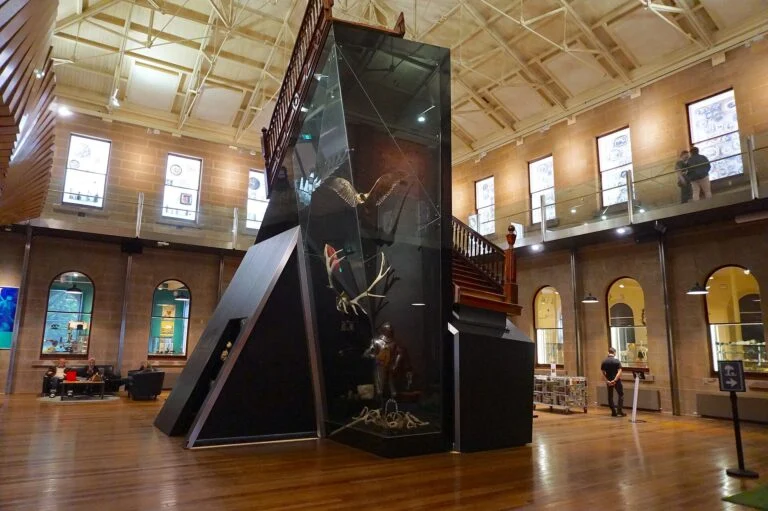
Overall, the exhibition design tends toward traditional display methods—show cases, descriptive panels, and artifacts arranged by theme or chronology. The choice suits audiences seeking detailed, fact-based information rather than sensationalized or overly dramatized storytelling.
Visitor Experience
The Maritime Museum of Tasmania is tailored to visitors with a genuine interest in maritime history, particularly from a regional perspective. Its collections and narrative structure support focused and deliberate engagement rather than quick or superficial browsing. Visitors will find that pacing themselves to absorb the technical details and historical contexts benefits the experience.
The museum’s interpretive materials generally maintain clear and straightforward language, making complex maritime concepts accessible without oversimplification. This balance will serve history enthusiasts, students, and researchers well. However, the reliance on text panels and traditional displays without extensive multimedia or interactive elements may present limitations for those accustomed to digital engagement or younger audiences seeking more dynamic forms of learning.
For some, the breadth of detail and the specificity to Tasmanian maritime history will be a significant draw. The museum’s niche focus on a relatively modest collection size compared to larger national institutions means that it doesn’t overwhelm visitors but invites a slower, more thoughtful exploration. This approach means casual visitors or those with limited time might find the museum less immediately engaging.
The museum also emphasizes the human stories behind the maritime objects, whether shipbuilders, sailors, or communities affected by maritime industries. This focus helps ground technical exhibits in lived experiences, though some narratives might benefit from deeper expansion or more diverse perspectives.
Because of its waterfront site, the museum offers some contextual atmospheric advantage, encouraging reflection on the living interaction between land and water. However, spatial constraints inside might limit exhibition scale or depth in certain areas. Interested visitors should consider the museum as part of a wider Hobart itinerary that includes visits to other maritime-related sites or the nearby docks to round out the context.
Tickets, Access, and Planning
Details about ticketing and access should be confirmed through the museum’s official website before planning a visit. The Maritime Museum of Tasmania is a publicly accessible institution and commonly offers admission policies in line with regional museums, but specifics about admission fees, concessions, or group rates require verification.
Potential visitors are advised to check current opening hours and any special requirements for tours, audio guides, or accessibility accommodations. Given the museum’s relatively compact size, managing visitor flow is unlikely to be challenging but could vary during holidays or special events.
The location in Hobart’s central waterfront area means the museum is generally accessible via local transport options. However, visitors should check for the availability of parking or accessibility provisions to suit their individual needs. Information about on-site amenities such as restrooms or seating is also best confirmed directly.
Planning a visit may benefit from allocating sufficient time to read and absorb the more detailed text and artifacts on display. The museum’s focused subject matter is not suited to very brief drop-in visits if the intention is to engage deeply with the material.
Final Verdict
The Maritime Museum of Tasmania offers a distinctive and well-curated window into the maritime past of Tasmania and the Southern Ocean region. Its collections, particularly ship models, navigational tools, and historical artifacts, underscore the enduring relationship between Tasmanians and the sea. This regional emphasis fills a niche in Australia’s broader maritime historiography by foregrounding lesser-covered aspects such as sealing, convict transportation, and local maritime industries.
While the museum does not incorporate the high-tech exhibition methods now common in larger museums, this absence is compensated by its clear, content-driven presentation style. The interpretive approach suits visitors seeking comprehensive and fact-based maritime history, especially those who appreciate detailed narratives grounded in physical collections.
Limitations include the museum’s modest physical scale and relatively traditional display strategies, which may not engage all visitor types equally. Audiences expecting interactive or multimedia experiences might find the visits less stimulating, and casual tourists may prefer shorter stops with less specialized content.
Nonetheless, the Maritime Museum of Tasmania plays an important role in preserving and interpreting an essential element of Tasmania’s heritage. It stands out for its regional focus and willingness to address a broad spectrum of maritime topics, including those that tend to be underrepresented. For those with an interest in nautical history, maritime technology, or Tasmanian culture, the museum offers valuable perspectives that complement other historical attractions in Hobart.
Prospective visitors should plan with care, checking official resources for practical information to ensure a smooth visit. When approached with the right expectations, the Maritime Museum of Tasmania can enrich understanding of Tasmania’s maritime landscape in a meaningful and measured way.