Strategic Air Command & Aerospace Museum Review
Aviation Museums · Ashland, United States. The Strategic Air Command & Aerospace Museum, located near Ashland, Nebraska, offers a focused look at the history and technology of American strategic air power and aerospace achievements. It grew out of the legacy…
Aviation Museums · Ashland, United States. The Strategic Air Command & Aerospace Museum, located near Ashland, Nebraska, offers a focused look at the history and technology of American strategic air power and aerospace achievements. It grew out of the legacy…
Best forAircraft fans, engineering history, family visits
Review focusAircraft collections, flight history, and visitor planning
Historical Context
The Strategic Air Command & Aerospace Museum, located near Ashland, Nebraska, offers a focused look at the history and technology of American strategic air power and aerospace achievements. It grew out of the legacy of the Strategic Air Command (SAC), a key component of the United States Air Force responsible for the strategic bomber and intercontinental ballistic missile forces during the Cold War era. SAC’s mission was central to deterrence strategies and national defense from the late 1940s until its disbandment in 1992. The museum’s establishment reflects a broader interest in preserving the artifacts and stories associated with this critical period in U.S. military history.
Founded in the late 20th century, the museum is situated on a substantial campus that allows it to display a wide array of large artifacts, including aircraft that played a role in strategic deterrence and aerospace exploration. Over time, its scope has expanded beyond SAC’s Cold War focus to include more general aspects of aerospace technology and history. This broader mission is reflected in its collection and exhibition choices. The museum therefore serves not only as a memorial to a particular military command but also as a repository of aerospace innovation and American aviation accomplishment.
Its geographical location, at some remove from major metropolitan centers, aligns with the historical dispersal of Air Force bases and strategic command locations in the central United States. This places the museum in an interesting position: it is accessible to a regional audience interested in aviation history and military heritage, yet it also competes for visitor attention with several larger, more centrally located aviation museums around the country. Understanding this background helps frame what the museum aims to accomplish and the niche it occupies within the American museum landscape.
What You See on Arrival
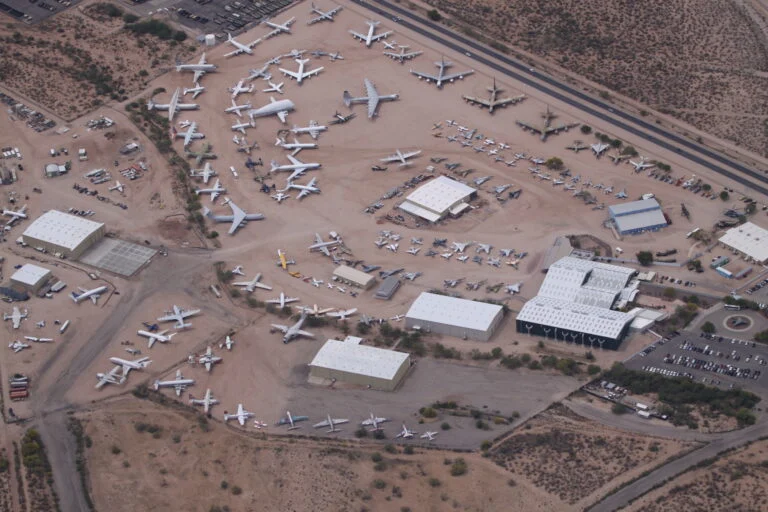
Upon arriving at the site of the Strategic Air Command & Aerospace Museum, visitors encounter a layout that signals its emphasis on large-scale artifacts from both military and aerospace history. The grounds are set to accommodate extensive outdoor displays, often featuring decommissioned strategic bombers, fighters, and missiles, giving an immediate sense of the museum’s aerospace and defense orientation.
The museum buildings themselves lean towards a utilitarian design, typical of specialized transport and military museums where the focus is on artifact display rather than architectural flourish. However, the sprawling nature of the site suggests a visitor experience oriented around exploration and discovery across a broad swath of aviation and aerospace technology.
The exterior spaces are designed to connect visitors immediately with the scale and technological achievement of strategic air platforms. Static displays of aircraft in close view encourage an understanding of their size and engineering, and set the tone for what lies inside. The museum’s identity as a repository dedicated to strategic air command history is made clear from the outset, with clear signage and introductory material addressing SAC’s role and significance.
The arrival experience is one of shifting attention between monumental flying machines and the more detailed, indoor exhibits that contextualize their operational and technological histories. This framing helps prepare visitors for the wide-ranging chronological and technological span of the museum’s holdings.
Highlights and Key Exhibitions
The Strategic Air Command & Aerospace Museum’s collection is notable for its comprehensive overview of strategic air power platforms, especially from the Cold War period, alongside a more varied aerospace collection. The core of the display consists of aircraft that were integral to SAC’s mission, such as the Boeing B-52 Stratofortress. These bombers represent decades of strategic operations and technological advancement in long-range bombing capability. The B-52 display is typically accompanied by interpretive information on the aircraft’s design, deployment, and impact on U.S. defense policy.
Another focal point is the inclusion of a range of missile systems, particularly intercontinental ballistic missiles (ICBMs), which played a crucial deterrent role during the Cold War. These include models and possibly full-scale missiles that help visitors understand the technological leap represented by strategic missile forces. Displaying these alongside manned aircraft gives an integrated picture of SAC’s dual-component structure comprising bombers and missiles.
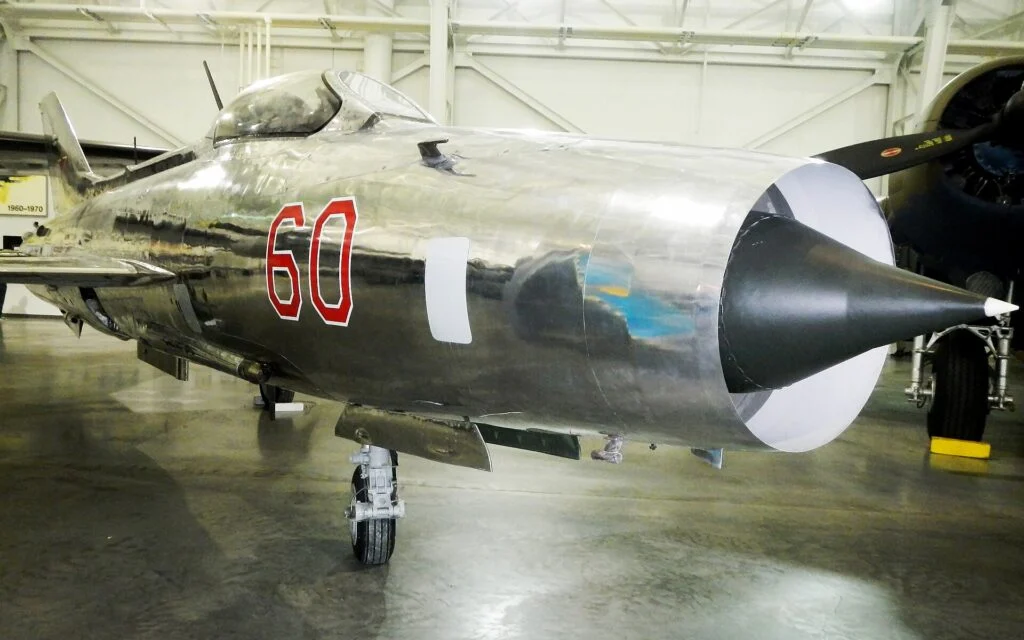
The museum also presents a broader look at aerospace technology, extending beyond military applications. This includes exhibits on space exploration and aviation milestones not directly related to SAC but relevant to a wider aerospace narrative. For instance, there may be aircraft like reconnaissance planes and experimental models that connect strategic air command history with broader scientific and aerospace fronts.
Interpretive materials emphasize technological development, engineering challenges, and operational histories. The museum’s narrative often highlights the technological innovation that underpinned strategic deterrence, along with the human stories of those who operated and maintained these weapons systems. This dual focus provides depth, as the exhibits avoid treating their subject matter purely as hardware but instead place it in an operational and historical context.
The collection’s breadth extends to artifacts, photographs, and documents that complement the aircraft and missiles. These materials contribute to a richer understanding of the military, political, and technological dimensions of SAC as well as aerospace achievements in general. While the museum’s primary strength lies in Cold War air power, its aerospace exhibits give it a wider contextual footing.
That said, the museum does not specialize extensively in other areas such as commercial aviation or early aviation pioneer history, which might limit its appeal for visitors seeking a more generalized aviation museum experience. Its focus is clear and precise, centering on strategic military aviation and aerospace technology, which defines both its strengths and boundaries.
Visitor Experience
Visitors to the Strategic Air Command & Aerospace Museum can expect an experience that foregrounds mechanical achievement and Cold War military history, presented with an emphasis on both scale and detail. The layout is designed to manage the presentation of numerous large aircraft and missile displays, both indoors and on the sprawling grounds. This can affect pacing, as visitors may find some exhibitions demanding in terms of walking and time, especially if they engage thoroughly with the interpretive content.
The museum appeals clearly to those with a particular interest in military aviation, Cold War history, aerospace technology, and engineering. Enthusiasts and individuals with technical or historical curiosity about strategic air power will find substantial material to engage with. The aircraft themselves, given their size and design, are likely to impress anyone interested in the physical realities of aviation technology.
Interpretive signage and displays appear to offer a balanced view, explaining technical details alongside historical and political context. The museum avoids overwhelming visitors with purely technical jargon but expects some prior interest or knowledge to fully appreciate certain exhibits. Consequently, the museum is probably most accessible to older students, adults, and specialized interest groups rather than very young children or visitors seeking more casual experience.
The museum’s sprawling camp layout might impose some practical challenges. Moving between outdoor aircraft displays can be dependent on weather conditions, and the size of the site may require visitors to plan their visit deliberately. Indoor exhibition spaces provide respite and focused content, helping balance the physical demands.
While the museum’s scope is substantial, visitors should note that the focus on strategic air command history means the narrative is somewhat specialized. Those unfamiliar with military aviation may find some exhibits dense or narrowly focused. The museum’s curation does well to integrate human and technical elements but does not attempt to serve as a comprehensive aerospace museum covering all branches of aviation or space history equally.
Tickets, Access, and Planning
As with many museums of its size and specialization, practical details such as admission fees, opening hours, and availability of guided tours can vary. Visitors interested in attending the Strategic Air Command & Aerospace Museum should consult its official website for the most current and detailed information regarding admission costs, opening days and hours, and any special visitor services offered.
Given its location near Ashland, Nebraska, planning travel logistics is important. The museum is not in a major metropolitan area, and visitors should consider their transport options in advance. This may involve private vehicles for convenience, as public transportation options in the surrounding region are limited.
The site’s size and outdoor components may not be equally accessible or comfortable for all visitors, especially during extreme weather conditions, so checking seasonal considerations and accessibility details in advance is advisable. The museum provides substantial walkways and viewing areas but visitors with mobility concerns should verify accommodations beforehand.
Planning sufficient time is recommended, as the museum’s extensive exhibits and outdoor displays suggest that a brief visit may not do justice to its collection. For those particularly interested in military aviation history or aerospace engineering, a measured visit that allows close examination and reading of interpretive material will be most rewarding.
Final Verdict
The Strategic Air Command & Aerospace Museum offers a focused and substantial presentation of a key aspect of American military and aerospace history. Its emphasis on the Strategic Air Command years and related aerospace technology fills an important niche. The museum’s aircraft and missile displays are impressive in scale and represent significant technological milestones, providing concrete examples of Cold War deterrence strategy and aerospace development.
Its interpretive approach generally balances technical detail with historical narrative, catering to an audience with interest in military aviation history and technology. This specificity, however, defines its main limitation: it is not designed to offer a broad-based or casual aviation experience. Visitors without a particular interest in Cold War air power or aerospace technology may find parts of the museum too specialized or narrowly framed.
The museum’s physical layout, while well suited to its collection, requires planning to navigate, especially in terms of time and weather readiness. This factor, coupled with its location, may require visitors to consider logistics carefully.
In sum, the Strategic Air Command & Aerospace Museum stands as a significant regional institution preserving and interpreting a vital chapter of American air power history. It offers depth and scale that aviation and military history enthusiasts will appreciate, while its focused thematic scope helps clarify what visitors can expect. Prospective visitors should prepare accordingly and consult official sources for up-to-date practical information to make the most of their visit.