Museo Archeologico Regionale Paolo Orsi
Archaeology Museums · Syracuse, Italy. The Museo Archeologico Regionale Paolo Orsi, located in Syracuse on the island of Sicily, is one of Italy’s notable archaeological museums. Its focus is the rich heritage of the ancient civilizations that shaped this…
Best forMuseum lovers, culture travelers, first-time visitors
Setting / nearbySyracuse, Italy
Overview
The Museo Archeologico Regionale Paolo Orsi, located in Syracuse on the island of Sicily, is one of Italy’s notable archaeological museums. Its focus is the rich heritage of the ancient civilizations that shaped this part of the Mediterranean. The museum reflects the layered history of a region that was a crossroads for various peoples, including the Greeks, Romans, and indigenous Sicilians. Its scope centers on archaeological finds from Sicily and the broader Mediterranean area, offering insights into the prehistoric, Greek, Roman, and early medieval periods. While not the largest archaeological museum in Italy, it plays a significant role in presenting the material culture uncovered in and around Syracuse, an ancient city with deep historical roots.
The museum is named after Paolo Orsi, an archaeologist who contributed substantially to the study of Sicilian antiquities. His legacy and the ongoing archaeological work in the region are part of what underpins the museum’s collections and exhibitions. Visitors interested in classical archaeology and Mediterranean history will find this museum a detailed and carefully structured resource that sheds light on the development of ancient societies through their artifacts.
Collection Highlights
The museum’s collection is best understood by its chronological and thematic approach. It largely centers on the prehistoric period up to the early medieval era, illustrating the continuous human presence on the island of Sicily.
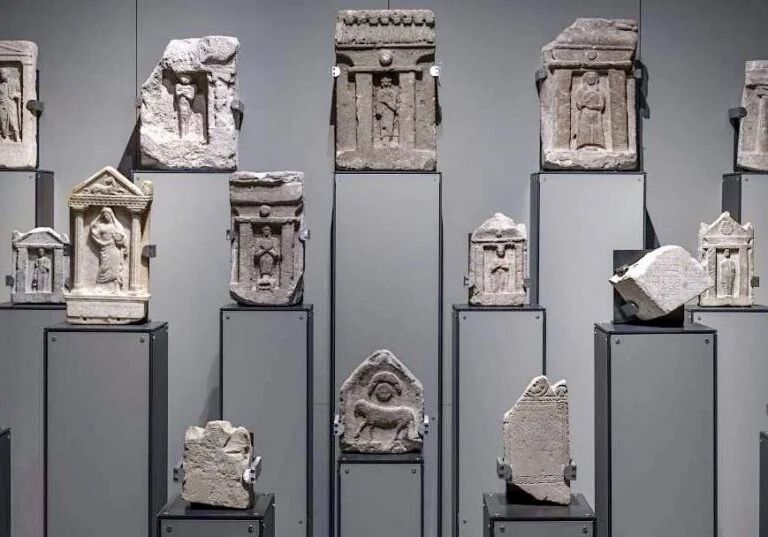
One of the standout areas features Greek artifacts, reflective of the period when Syracuse was a powerful Greek city-state. Visitors can explore pottery styles that evolved in the area, with examples ranging from geometric patterns to more naturalistic depictions typical of Classical Greece. There are also significant pieces of sculpture and relief carving, which help trace changes in artistic styles and cultural influences over time.
Prehistoric finds include items from the Bronze Age and before, showing the material culture of the indigenous populations that inhabited Sicily before and during early Greek colonization. These often consist of ceramics, tools, and fragments of early statuary. This pre-Greek context is important for understanding the museum’s broader story, presenting the island’s human occupation before recorded history.
Roman-era artifacts are another important segment, demonstrating Sicily’s role within the Roman Empire. These objects cover domestic, military, and funerary contexts, including mosaics, architectural fragments, and everyday items that illustrate the influence of Roman culture across Sicily.
The museum also includes notable material related to the early Christian and Byzantine periods, rounding out the narrative of the island’s archaeological history. These collections help chart the transition from ancient pagan cultures to the Christian era in Sicily.
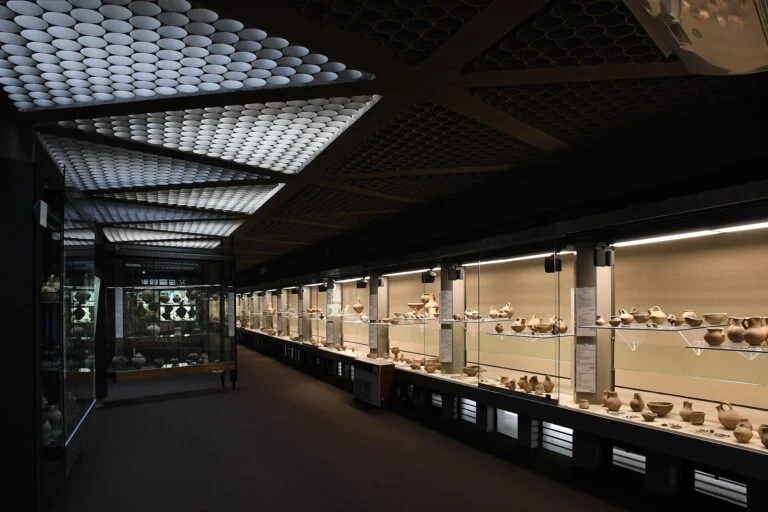
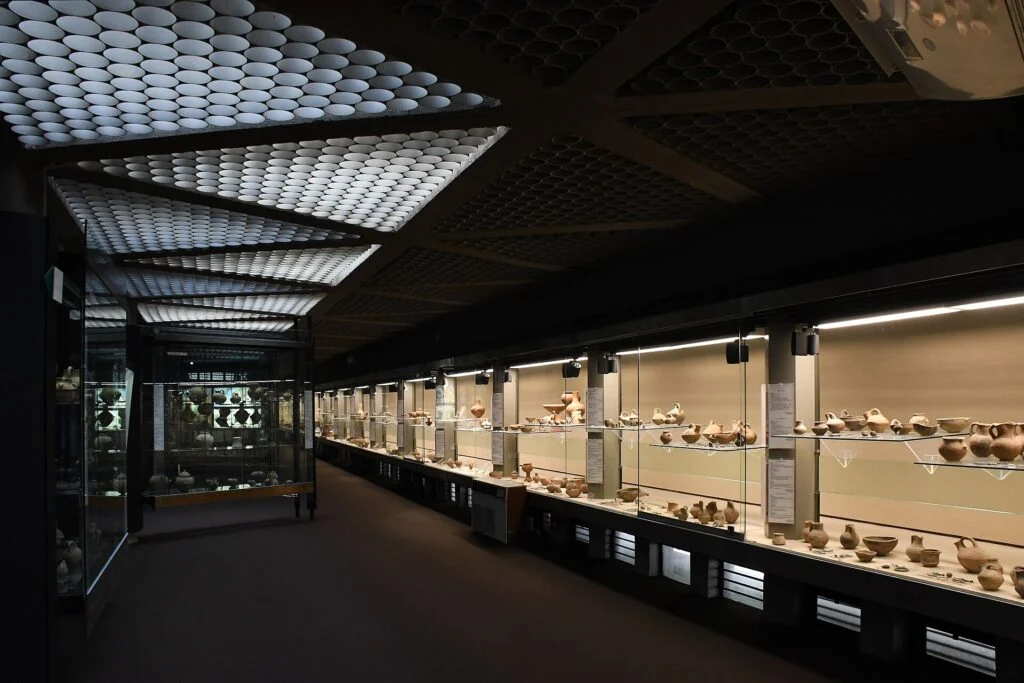
Collection displays are organized in a way that can suit visitors keen on either chronological walking tours or thematic study. Labels and explanatory panels provide context to the artifacts without overwhelming the exhibit space. Some key pieces may include well-preserved sculpture, inscriptions, and large-scale architectural elements, though the collection balances these with smaller, detailed objects that enhance understanding of daily life and religious practice.
Building and Setting
The Museo Archeologico Regionale Paolo Orsi is housed in a modern building designed to accommodate the museum’s varied archaeological material. Its design prioritizes natural light and open gallery spaces, which help present the artifacts clearly and accessibly. The architecture does not imitate ancient styles but is functional and contemporary, allowing the historic objects to take center stage.
Situated in Syracuse, the museum is not far from the historical center, making it relatively straightforward to include in a day focused on the city’s cultural sites. The setting is urban but calm, providing a quiet environment for study and reflection. The museum grounds include some outdoor areas where larger architectural fragments or sculptures can be displayed, which adds to the range of viewing experiences.
Visitors can expect a space that is thoughtfully laid out, with clear paths guiding viewers through the different periods covered in the collection. The building’s configuration allows for movement from early prehistoric displays through to late antiquity without backtracking, creating an accessible narrative flow.
Practical Information
For those planning a visit, it is advisable to check the museum’s official website for up-to-date information on opening hours, ticketing, and possible restrictions or visitor requirements. Such details may vary seasonally or due to special exhibitions or events.
The museum can suit a wide range of visitors, from scholars and students of archaeology to those with a general interest in Mediterranean history. Groups may benefit from guided tours or educational programming, but availability can depend on local scheduling.
While basic visitor amenities are expected, the precise offerings—such as cafés, shops, or additional services—should be verified in advance. Accessibility details are also best confirmed beforehand to accommodate specific needs.
Why Visit
The Museo Archeologico Regionale Paolo Orsi is particularly valuable for those interested in tracing the story of Sicily through its material past. It offers a comprehensive view of the island’s archaeological record, which is something not every museum focused on classical antiquity provides as cohesively. Rather than concentrating solely on Greek or Roman artifacts, it includes the earlier and later phases that complete the historical picture.
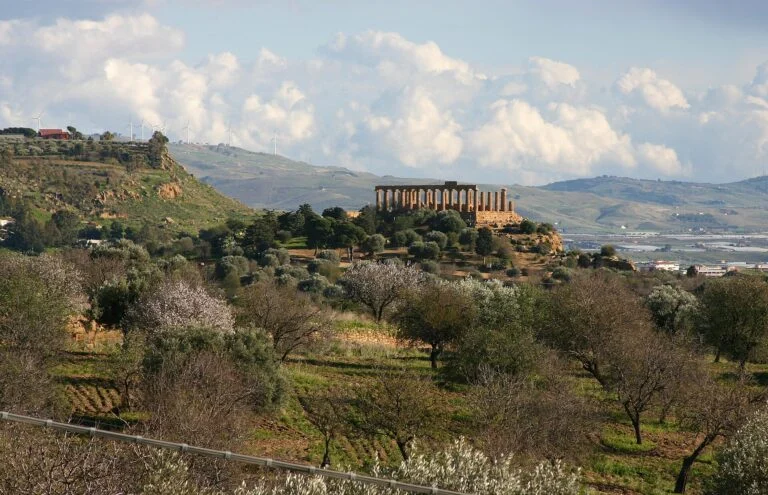
Visitors with an interest in the Mediterranean’s complex cultural interactions will appreciate the museum’s range, which reflects both local and wider influences. It serves as a reminder of the island’s role in ancient trade, politics, and culture.
Those hoping for large-scale reconstructions or dramatized presentations might find the museum more reserved in its approach. The focus is on objects and their archaeological contexts, supported by clear explanation rather than theatrical displays. This makes it best experienced as a place for careful study rather than entertainment.
Overall, the Museo Archeologico Regionale Paolo Orsi is a noteworthy destination within Sicily’s cultural landscape. It offers a focused, detailed, and well-presented archaeological collection in a considerate setting, contributing to the understanding of one of the Mediterranean’s historically rich regions. Visitors who allocate sufficient time can gain a well-rounded impression of the island’s ancient past through its artifacts, making it rewarding for those seeking depth and context in their museum visits.