The Arctic University Museum of Norway Review
University Museums · Tromsø, Norway. The Arctic University Museum of Norway, located in Tromsø, stands as a significant institution dedicated to the natural and cultural history of the Arctic region. Established in 1872, the museum is among the oldest…
University Museums · Tromsø, Norway. The Arctic University Museum of Norway, located in Tromsø, stands as a significant institution dedicated to the natural and cultural history of the Arctic region. Established in 1872, the museum is among the oldest…
Best forMaritime history, ships, harbour heritage
Review focusCollections, visitor experience, and practical planning
Historical Context
The Arctic University Museum of Norway, located in Tromsø, stands as a significant institution dedicated to the natural and cultural history of the Arctic region. Established in 1872, the museum is among the oldest in Northern Norway and serves as a vital research and educational resource connected to the University of Tromsø. Its extensive collections encompass disciplines such as archaeology, ethnography, zoology, geology, and botany, reflecting the diverse and unique environment of the Arctic. The museum’s foundation corresponds to a period of increased scientific interest in the polar regions during the late 19th century, a time when exploration and documentation of Arctic landscapes and cultures gained momentum. Throughout its history, the institution has maintained a focus on documenting the rich heritage of indigenous Sámi communities, Arctic wildlife, and the impact of climate and geography on human adaptation in extreme conditions. This deep-rooted commitment positions the museum as an authoritative voice on Arctic matters in Norway and internationally.
What You See on Arrival
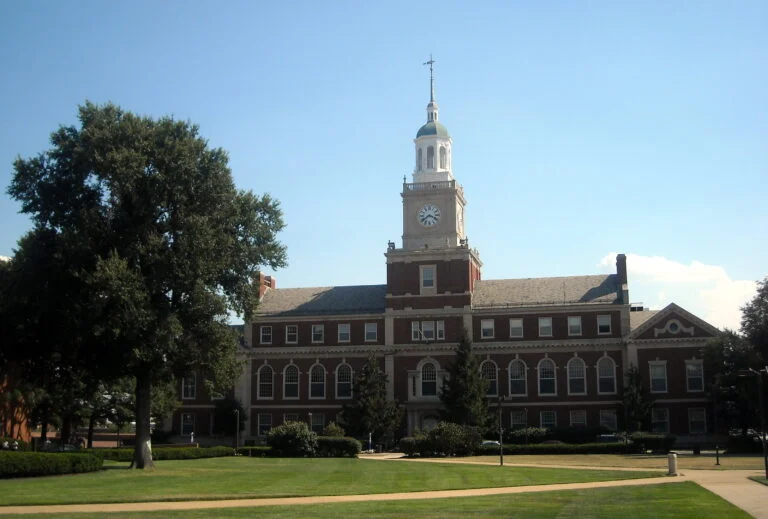
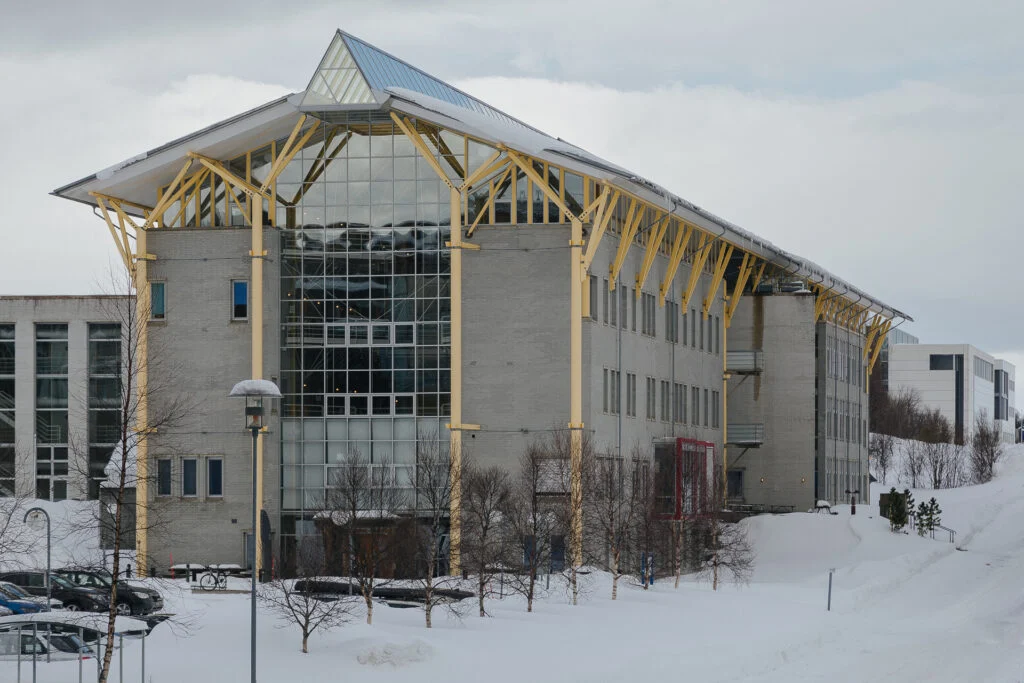
Visitors approaching the Arctic University Museum of Norway are greeted by an unassuming yet dignified building that blends harmoniously with Tromsø’s urban and natural backdrop. Situated centrally in the city, the museum’s façade presents a classical architectural style characteristic of institutional buildings from its era of origin, conveying a sense of permanence and scholarly purpose. The exterior's muted tones and modest ornamentation allow the museum to sit comfortably within a landscape framed by snow-capped mountains and fjords, immediately placing visitors in an Arctic context. Upon entering, visitors typically encounter a subdued and carefully curated entrance hall, designed to orient guests with clear signage and introductory displays that provide a preliminary overview of the Arctic's environmental and cultural narratives. This setting skillfully balances the feel of an academic institution with a welcoming public space.
Highlights and Key Exhibitions
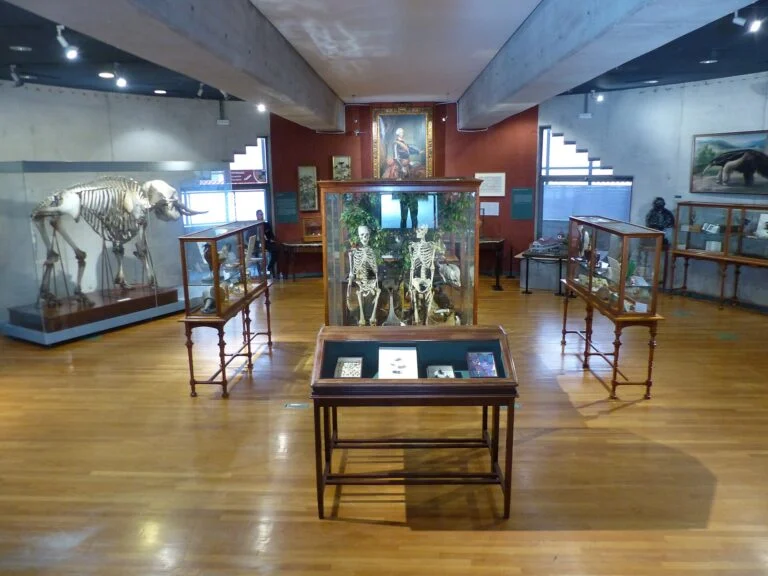
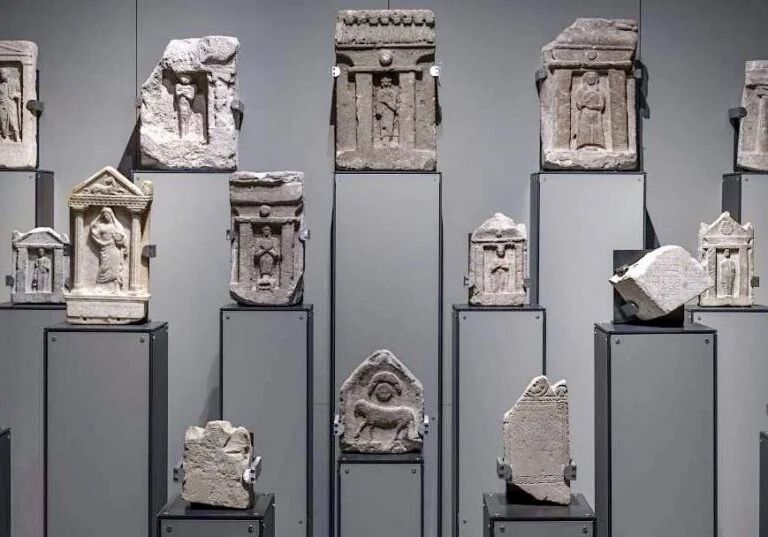
The museum’s permanent exhibitions offer an immersive journey through various facets of the Arctic experience. One of the standout features is the extensive natural history collection, which provides detailed insights into Arctic flora and fauna. Specimens include preserved animals, skeletal remains, and informative displays explaining adaptations that allow survival in extreme polar conditions. The ethnographic sections are equally compelling, showcasing traditional Sámi artifacts such as clothing, tools, and household items, which vividly illustrate indigenous life and resilience. The archaeological galleries delve into the prehistory of the region, featuring relics that chronicle thousands of years of human habitation, trade, and cultural exchange in Northern Norway.
Interactive multimedia installations and well-designed panels support the exhibitions by contextualizing complex scientific data and historical narratives, making the information accessible to a broad audience. The museum also dedicates space to exploring the changing Arctic environment, confronting themes such as climate change and its repercussions on both nature and indigenous livelihoods. This component provides a timely perspective, linking past and present through the lens of ongoing environmental transformation.
Visitor Experience
The layout of the Arctic University Museum is thoughtfully arranged to facilitate a fluid visitor experience that is both informative and engaging. The exhibition spaces are well-lit and maintain a comfortable flow from one thematic area to another, allowing visitors to absorb the content at a measured pace. The use of bilingual signage, predominantly Norwegian and English, is effective in accommodating international visitors without sacrificing depth of information. Audio guides and digital resources enhance the experience by offering additional layers of storytelling and scientific explanation.
Staff at the museum are known for their expertise and readiness to assist with inquiries, though the experience leans more toward self-guided exploration rather than intensive interactive engagement. Educational programs and workshops are available seasonally, which are particularly beneficial for families and school groups seeking a more hands-on approach. However, those with a casual interest may find the academic nature of some exhibits slightly dense, requiring careful reading to fully appreciate the details and scientific nuances presented.
Tickets, Access, and Planning
The museum offers a straightforward ticketing system, with reasonable pricing that reflects its dual role as a public cultural institution and academic venue. Discounts are available for students, seniors, and groups, which encourage accessibility across diverse visitor demographics. Entrance fees typically include access to all permanent exhibitions, though visitors should verify current policies regarding special exhibits or events through the museum’s official website before planning their visit.
Access to the museum is convenient given its central location in Tromsø. The site is well-served by public transportation, and parking facilities are available nearby for those arriving by car. The museum displays commendable attention to accessibility; ramps and elevators accommodate visitors with mobility challenges, and some exhibit areas provide seating options to ensure comfort during the visit. While the museum's infrastructure supports physical access, aspects such as tactile exhibits and comprehensive audio descriptions for visually impaired guests could be further developed to enhance inclusivity.
Visitors are advised to allocate approximately one to two hours for a thorough tour, though scholars or enthusiasts might wish to spend more time engaging with specific collections. The museum is open year-round, providing consistent opportunities for exploration regardless of Tromsø’s seasonal weather, although opening hours can vary seasonally and should be confirmed in advance.
Final Verdict
The Arctic University Museum of Norway is a distinguished institution that successfully bridges academic research with public education, offering a comprehensive portrayal of Arctic natural history and indigenous cultures. Its collections are rich and thoughtfully presented, providing valuable insights into a region of increasing global interest due to environmental and geopolitical factors. The museum's strengths lie in its authoritative approach to content, respectful representation of Sámi heritage, and its ability to place the Arctic’s past and present into a compelling narrative.
While the visitor experience is largely rewarding, it leans towards the academic; casual visitors may find some exhibits densely packed with information that benefits from prior interest or a focused visit plan. The museum is well-equipped with basic amenities and accessibility features, though inclusion and interactive engagement could be enhanced further. Overall, the Arctic University Museum of Norway stands as a must-visit for those intrigued by polar science, indigenous cultures, and the enduring relationship between humans and the Arctic environment, making it a standout cultural institution in Tromsø and an important repository of Northern Arctic knowledge.