National Motorcycle Museum Review
Motorcycle Museums · Bickenhill, United Kingdom. The National Motorcycle Museum, located in Bickenhill, United Kingdom, stands as one of the most comprehensive repositories of motorcycle history and culture in the world. Founded in 1984, the museum was born out of…
Motorcycle Museums · Bickenhill, United Kingdom. The National Motorcycle Museum, located in Bickenhill, United Kingdom, stands as one of the most comprehensive repositories of motorcycle history and culture in the world. Founded in 1984, the museum was born out of…
Best forArchitecture, royal history, heritage
Review focusMotorcycle collections, heritage, and visitor planning
Historical Context
The National Motorcycle Museum, located in Bickenhill, United Kingdom, stands as one of the most comprehensive repositories of motorcycle history and culture in the world. Founded in 1984, the museum was born out of the vision to preserve the rich heritage and technological evolution of motorcycles, particularly those that have shaped British motorcycling. Over the decades, it has amassed an impressive collection that spans over a century, illustrating the growth of motorcycle design, engineering, and the fervent community that supports the sport and lifestyle. The museum’s location within the heart of the Midlands, a region historically pivotal to the British motor manufacturing industry, adds a profound geographical relevance to its narrative. This museum not only catalogues past glories and groundbreaking innovations but also contextualizes motorcycles in the broader social and industrial fabric of the UK. It remains a nexus for enthusiasts, historians, and the casually curious alike, offering insight into how motorcycles have moved beyond mere transportation to become icons of independence, style, and speed.
What You See on Arrival
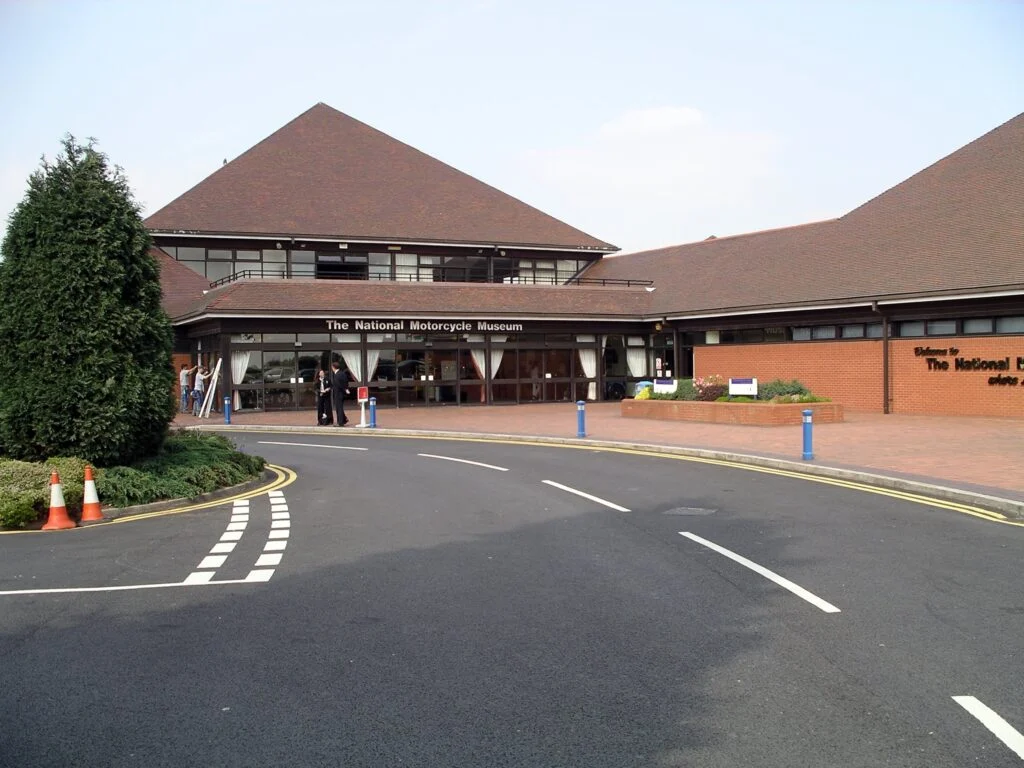
Approaching the National Motorcycle Museum, visitors are met with a modern yet understated architectural facade that hints at the treasure trove housed within. The entrance area is spacious and welcoming, designed to accommodate the flow of visitors and provide a clear sense of orientation. Upon entry, the initial impression is one of order and meticulous care; the motorcycles on display are arranged in a way that balances chronological progression with thematic clarity. The reception area doubles as an orientation point, featuring informational displays, brochures, and friendly staff prepared to assist with directions and advice on making the most of the visit. The interior layout benefits from well-lit spaces that emphasize the striking curves and mechanical details of the exhibits while maintaining an atmosphere conducive to thoughtful exploration. There is a palpable reverence for the machines themselves, evident in the careful preservation and the absence of intrusive modern distractions. This immediate presentation sets the tone for a journey through the diverse history of motorcycling.
Highlights and Key Exhibitions
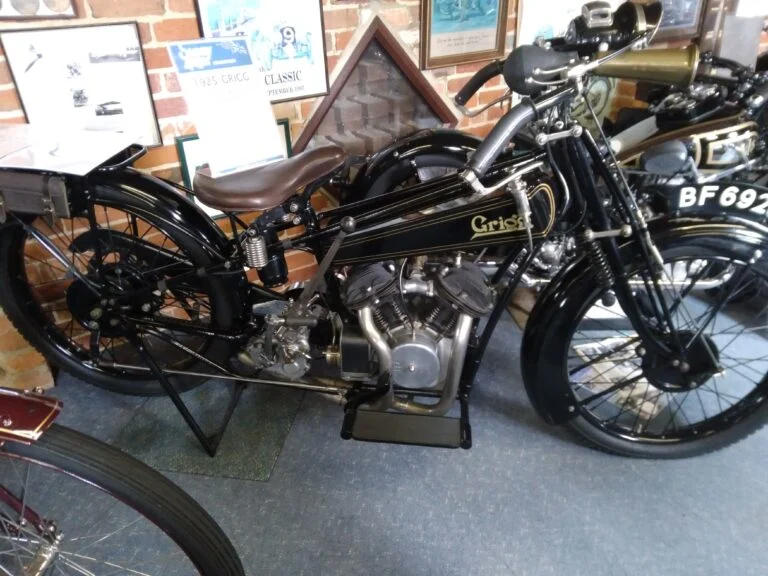
Central to the museum’s appeal is its extensive permanent collection, showcasing over 1,000 motorcycles that trace the evolution of the industry from the late 19th century to present day. One of the standout features is the wide array of British motorcycles, including classic marques such as BSA, Triumph, Norton, and Royal Enfield. These examples illustrate not only the technical advancements but also the distinctive design philosophies that defined each era. The museum’s collection is well-curated to represent a variety of styles—from vintage and heritage bikes to racing machines and modern classics—making it a comprehensive introduction to the breadth of motorcycling history.
Particularly notable is the emphasis on race history, with a dedicated section commemorating the Isle of Man TT and other iconic competitions. This area highlights motorcycles that achieved racing fame, alongside detailed interpretative materials about the riders and the cultural significance of motorsport. Another key exhibition focuses on the engineering innovations that have driven motorcycle development, including displays on engine types, transmission systems, and safety features. While the museum does not rely heavily on temporary exhibitions, the permanent displays are curated to engage through storytelling and thematic exploration, often enhanced by photographs, memorabilia, and multimedia presentations.
Visitor Experience
The National Motorcycle Museum is designed to cater to a wide audience, from dedicated enthusiasts to families and those with a passing interest in motorcycles. The interpretive captions accompanying each display strike a careful balance between technical detail and accessible language, ensuring that the stories behind the machines are communicated effectively without overwhelming less knowledgeable visitors. The museum also offers various interactive elements, such as touch-screen guides and video interviews, which contribute to a more immersive experience.
Accessibility and visitor comfort are notable strengths, with clear signage, seating areas, and quiet zones for reflection. The museum shop offers a well-curated selection of books, apparel, and souvenirs, enhancing the visitor’s engagement beyond the displays. For families, there is a focus on educational content and occasional workshops or events designed to inspire younger generations about engineering and design.
One minor drawback in visitor experience is that some parts of the museum can feel densely packed with machines, which might overwhelm those looking for a more leisurely paced visit. However, this density also serves to underscore the museum’s comprehensive scope and dedication to preservation. On balance, the museum provides a richly layered experience that rewards repeat visits and close attention.
Tickets, Access, and Planning
The museum is easily accessible from major transport routes, situated close to Birmingham Airport and well-connected by road, making it a convenient destination for both UK residents and international visitors. Ample parking is available on site, alleviating common concerns associated with travelling by car.
Ticketing is straightforward, with options for single entry, group bookings, and concessions for children, seniors, and disabled visitors. Prices are competitive considering the depth and quality of the collection. Advance booking is advisable, especially during weekends and school holiday periods when the museum attracts higher visitor numbers. The website provides up-to-date information on opening times, ticket prices, and any visitor advisories, helping guests to plan their visit efficiently.
The museum is mostly accessible for those with mobility impairments, with ramps, lifts, and adapted restrooms in place. Staff are attentive to individual needs, offering support where required. However, as with many historic collections, some displays are situated in areas that may present challenges to those with limited mobility. Overall, the museum’s commitment to inclusivity is clear, though potential visitors are encouraged to consult the official resources ahead of their visit to ensure individual accessibility requirements are met.
Final Verdict
The National Motorcycle Museum in Bickenhill offers an authoritative and engaging exploration of motorcycle history, particularly celebrating the British contributions to this globally beloved form of transport and sport. Its extensive collection provides an exceptional survey of motorcycle design, innovation, and cultural impact, appealing equally to aficionados and newcomers. While the density of exhibits may occasionally challenge casual visitors, this thoroughness affirms the museum’s reputation as a leading institution within its field.
Visitor amenities are robust, with good access and thoughtful facilities that enhance the overall experience. The museum’s educational and interpretive strategies succeed in making complex mechanical histories approachable and interesting. Its location, close to key transport links, coupled with well-organized ticketing options, further supports a visit that is both manageable and rewarding.
In conclusion, the National Motorcycle Museum serves as a vital cultural and historical resource, paying homage to motorcycling’s past while fueling enthusiasm for its future. It is recommended for anyone interested in technology, design, and the unique subculture that motorcycles embody. For those planning a visit to the Midlands or a deeper dive into British industrial heritage, this museum is a must-see destination and a worthwhile investment of time and curiosity.