National Museum of Ethiopia Review
Archaeology Museums · Addis Ababa, Ethiopia. The National Museum of Ethiopia, located in Addis Ababa, is a cornerstone institution in the preservation and presentation of Ethiopia’s rich cultural, historical, and archaeological heritage. Established in 1959, the museum serves as…

Archaeology Museums · Addis Ababa, Ethiopia. The National Museum of Ethiopia, located in Addis Ababa, is a cornerstone institution in the preservation and presentation of Ethiopia’s rich cultural, historical, and archaeological heritage. Established in 1959, the museum serves as…
Best forArchitecture, royal history, heritage
Review focusArchitecture, history, visitor experience
Historical Context
The National Museum of Ethiopia, located in Addis Ababa, is a cornerstone institution in the preservation and presentation of Ethiopia’s rich cultural, historical, and archaeological heritage. Established in 1959, the museum serves as a vital repository for artifacts that span from ancient prehistory through to contemporary Ethiopian art and culture. Ethiopia, unique in its continuous history as an independent African nation, offers an unparalleled narrative that intertwines ancient civilization, Christian heritage, and modern identity. The museum reflects this complexity, housing collections that encompass fossilized hominid remains, royal relics, religious artifacts, and art pieces, all showcasing Ethiopia’s pivotal role in human evolution and African history. Particularly notable is the museum’s emphasis on the region’s paleoanthropological heritage, which includes some of the oldest human ancestors ever discovered. For scholars and casual visitors alike, the National Museum of Ethiopia offers a comprehensive overview of the nation’s enduring legacy and its contributions to global cultural and scientific understanding.
What You See on Arrival
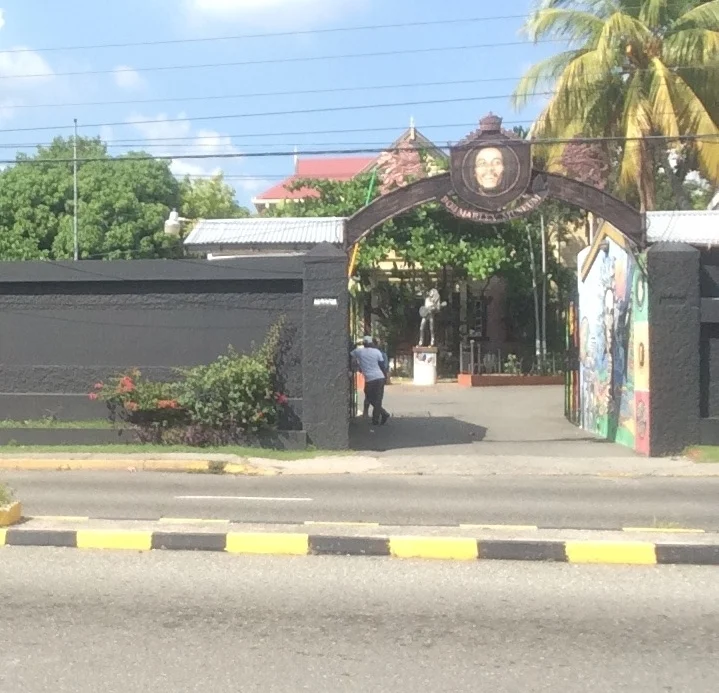
Approaching the National Museum of Ethiopia, visitors are welcomed by a modest yet dignified exterior that hints at the treasures housed within. The museum’s facade is unassuming, blending functional modernist architecture with cultural motifs that evoke the heritage it protects. Outside the building, one can find a few notable sculptures and installations that set an anticipatory tone for the exhibitions inside. Upon entering the main hall, the layout is straightforward, with a series of galleries organized to progressively delve into Ethiopia’s past and artistic achievements. The entrance area also provides informational displays and orientation materials that contextualize the museum’s mission and collections. The atmosphere is quietly respectful, facilitating a contemplative experience that encourages visitors to engage thoughtfully with the exhibits. While the building itself may not be architecturally spectacular by global museum standards, its presentation prioritizes the artifacts and the stories they tell.
Highlights and Key Exhibitions
At the core of the National Museum of Ethiopia’s appeal are its paleontological and archaeological collections. The centerpiece is the fossilized skeleton of “Lucy,” a 3.2 million-year-old Australopithecus afarensis. This remarkable find offers profound insights into early hominid evolution and remains one of the most significant anthropological discoveries of the 20th century. Displayed with appropriate scientific detail, Lucy provides a tangible connection to humanity’s distant past. Beyond this iconic exhibit, visitors will encounter a range of artifacts from the Aksumite civilization, including inscriptions, coins, and royal stelae, providing a window into Ethiopia’s classical era as a major trading empire. The museum also houses extensive ethnographic displays showcasing the diversity of Ethiopia’s many ethnic groups through costumes, traditional instruments, utensils, and ceremonial objects. These exhibits not only highlight cultural variety but also the continuity of ancient practices into modern times.
The art galleries display a vibrant selection of contemporary Ethiopian works alongside religious iconography dating back to the medieval period. These pieces reveal the fusion of traditional motifs and modern techniques, illustrating the evolving nature of Ethiopia’s artistic landscape. Furthermore, the museum holds significant manuscripts and artifacts related to the Ethiopian Orthodox Church, underscoring the nation’s religious heritage and its role in shaping social and cultural identity. Although the museum’s permanent collection is its primary draw, it is complemented by well-curated temporary exhibitions that attract those interested in specialized themes, though these should be checked via official channels for the latest updates.
Visitor Experience
The visitor experience at the National Museum of Ethiopia is generally one of discovery and education. The museum provides clear labeling and explanatory panels that are informative, though often concise. There is room for improvement in the depth of English-language descriptions, but efforts are made to accommodate international visitors through multilingual signage and occasional guided tours. The layout is accessible and allows visitors to explore galleries at their own pace without feeling rushed.
Lighting and display conditions are thoughtfully managed to preserve delicate artifacts, though some areas could benefit from updated display cases to enhance viewing comfort and preservation standards. The museum staff are known to be helpful and approachable, offering assistance and information to visitors with varying degrees of inquiry. The setting is calm and conducive to learning, though at times the museum can feel less vibrant than large metropolitan institutions due to a more limited audiovisual or interactive component.
While the museum’s size is manageable in a single visit, those with a keen interest in anthropology, history, or Ethiopian culture will find ample material meriting several hours, if not repeated visits, to fully appreciate the breadth and nuance of the exhibits.
Tickets, Access, and Planning
Entry to the National Museum of Ethiopia typically involves a modest admission fee, reflecting its status as a public cultural institution. Concessions may be available for students, seniors, and groups, though exact pricing can fluctuate and is best confirmed via the museum’s official communication channels. The museum is located centrally in Addis Ababa, making it accessible by a variety of transportation options including taxis and public transit, although visitors unfamiliar with the city may benefit from pre-arranged transport due to traffic or language considerations.
The museum is open during regular business hours, often with some closure days for public holidays or special events. Visitors are advised to check the official website or contact the museum directly to ensure a seamless visit. Facilities such as restrooms and a small gift shop enhance the visit, though amenities like cafés or extensive dining options are limited immediately on-site, encouraging guests to explore local establishments nearby for refreshments.
While the museum is relatively accessible, visitors with mobility concerns will find that the building accommodates wheelchairs in some areas, but certain sections may present challenges due to the nature of the historic structure and exhibition design. Planning ahead is advisable to maximize the experience, including allotting sufficient time for the diverse range of exhibits.
Final Verdict
The National Museum of Ethiopia stands as an essential cultural institution for anyone seeking a deeper understanding of Ethiopian history, human origins, and African heritage. Its unique assemblage of artifacts offers a window into pivotal moments that have shaped both regional and global narratives. Particularly compelling is the unparalleled presentation of prehistoric hominid remains, alongside a rich collection of historical and ethnographic material that collectively tell the story of a nation with deep roots and enduring traditions.
While the museum may lack some of the state-of-the-art presentation technologies found in larger international institutions, its strength lies in the significance and authenticity of its collections. The institution’s focus on education and preservation makes it an invaluable resource for scholars and culturally curious visitors. Advances in signage, interpretive aids, and visitor amenities could enhance the overall experience, but these limitations do little to diminish the museum’s fundamental role.
For those with an interest in anthropology, archaeology, history, or African studies, the National Museum of Ethiopia offers an engaging and informative visit. It provides a meaningful opportunity to connect with humanity’s ancient past and the vibrant culture of one of Africa’s most storied nations. As Ethiopia continues to develop its cultural infrastructure, this museum remains a vital beacon of heritage and learning within Addis Ababa and beyond.