Heard Museum Review
Art Museums · Phoenix, United States. The Heard Museum in Phoenix, Arizona, stands as a premier institution dedicated to the preservation, interpretation, and celebration of Native American art and culture. Established in 1929, the museum was founded by Dwight B.…
Art Museums · Phoenix, United States. The Heard Museum in Phoenix, Arizona, stands as a premier institution dedicated to the preservation, interpretation, and celebration of Native American art and culture. Established in 1929, the museum was founded by Dwight B.…
Best forMasterpieces, architecture, cultural history
Review focusCollection highlights, building, visitor flow
Historical Context
The Heard Museum in Phoenix, Arizona, stands as a premier institution dedicated to the preservation, interpretation, and celebration of Native American art and culture. Established in 1929, the museum was founded by Dwight B. Heard and his wife Maie Bartlett Heard, who sought to create a space where the complex histories and vibrant traditions of indigenous peoples of the American Southwest could be shared with a broader audience. Over the decades, the Heard Museum has evolved into a cornerstone for cultural education and artistic excellence, showcasing a broad spectrum of Native American life—from ancient artifacts to contemporary artistic expressions. Its mission reflects a commitment to fostering cross-cultural understanding and appreciation, positioning the museum as both a cultural treasure and an educational resource. The Heard’s deep roots in the conservation of indigenous heritage reflect the dynamic identities and ongoing narratives of Native American communities, making it not only a repository of history but a living institution that bridges past and present.
What You See on Arrival
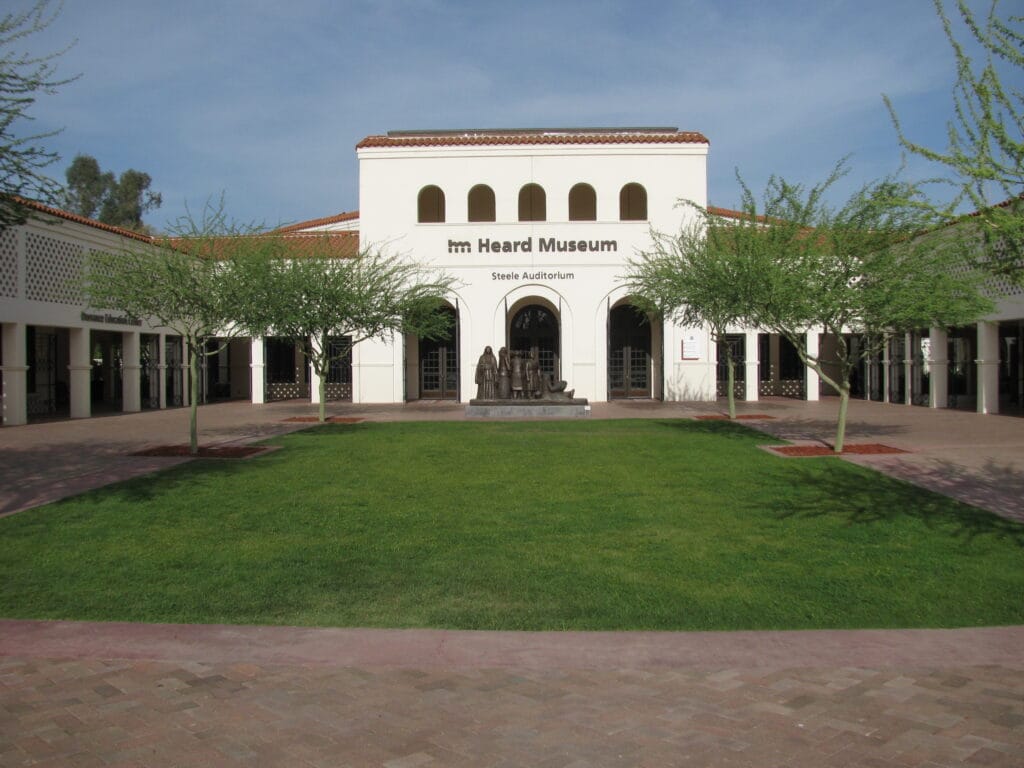
Upon arrival at the Heard Museum, visitors are greeted by distinctive indigenous architectural elements, which blend traditional Pueblo influences with modern Southwestern design aesthetics. The museum grounds are thoughtfully landscaped, featuring native plants and tranquil garden spaces that set a reflective tone before entry. Immediately discernible is the museum’s adobe-style exterior, complemented by intricate wooden detailing and colorful tile work inspired by Native American artistry. The main entrance is marked by signage that is both welcoming and informative, inviting visitors to immerse themselves in the rich cultural journey inside. Outside, one may notice outdoor sculptures and occasional cultural displays, anchoring the museum experience within the natural and artistic landscape of the region. The approach conveys a sense of place that aligns seamlessly with the Heard’s focus on indigenous cultures of the Southwest, inviting contemplation and anticipation for the exhibitions housed within.
Highlights and Key Exhibitions
The Heard Museum’s permanent collection is a profound highlight, featuring an extensive range of artifacts that span centuries and diverse indigenous nations. Visitors can encounter pottery, jewelry, textiles, Kachina dolls, and baskets, each piece contributing to a complex narrative about Native American history, spirituality, and artistry. Particular attention is given to the artistry and cultural significance of the Pueblo, Hopi, Navajo, Apache, and other Southwestern tribes. The collection’s craftsmanship and diversity offer insight into the technical skills and symbolic meanings within Native societies.
A standout gallery explores the evolution of Native art, displaying works from ancient traditional forms to cutting-edge contemporary pieces by Native American artists who continue to innovate and redefine indigenous creativity. This blend of old and new underscores the living nature of these cultures, challenging stereotypical views of Native American art as purely historical.
The museum often houses exhibitions that delve into specific cultural themes, historical moments, or art forms, offering detailed contexts supported by multimedia interpretations and scholarly research. These exhibitions are designed to educate and engage, creating a dialogue between the museum’s audience and the indigenous communities represented.
Visitor Experience
The visitor experience at the Heard Museum is often noted for its educational depth and immersive quality. The museum’s layout is intuitive, guiding guests through chronological and thematic galleries that facilitate understanding of the multiplicity of Native American identities and histories. Staff and docents are typically well informed and sensitive, enhancing the interpretative experience with knowledge and cultural respect.
Multimedia displays, interactive elements, and well-curated signage help convey complex cultural narratives in accessible ways, suitable for a wide range of audiences, including families and students. The museum also incorporates storytelling, audio guides, and occasional public programs that bring indigenous voices directly into the space, enriching the visitor connection to the material.
Amenities such as a museum shop featuring indigenous-made art and crafts extend the educational experience beyond the galleries while supporting Native artisans. The on-site café offers regional cuisine, creating a multisensory cultural immersion.
Tickets, Access, and Planning
Ticketing at the Heard Museum is straightforward, with various options available to accommodate different visitor preferences, including individual, group, and family rates. Discounts are often offered for seniors, students, veterans, and local residents, ensuring broader accessibility. The museum also provides free admission days periodically, fostering community engagement.
Accessibility is a key consideration, with the museum designed to accommodate visitors with mobility limitations. Ramps, elevators, and accessible restrooms are available, and specialized services such as assistive listening devices and sign language interpretation may be supported for public programs upon request.
Located in Phoenix, the Heard Museum is easily reachable by car and public transport, with clear signage and parking facilities on site. Planning a visit is facilitated by a comprehensive official website offering detailed information on current exhibitions, opening hours, and visitor guidelines. Advance booking of tickets is recommended during peak times and for special events.
Final Verdict
The Heard Museum is an indispensable cultural institution that offers an enriching and respectful exploration of Native American art and heritage. It successfully balances scholarly rigor with engaging exhibition design, making complex cultural histories accessible and meaningful to diverse audiences. The museum’s strength lies not only in its extraordinary collections but also in its role as a dynamic center for indigenous voice and contemporary creativity. While visitors should be prepared for a depth of material that may require time and attention to fully appreciate, the experience is ultimately rewarding and enlightening.
For those interested in understanding the rich tapestry of Southwestern Native American cultures or seeking inspiration from extraordinary artistic traditions and modern innovations alike, the Heard Museum provides an unparalleled experience. Its commitment to education, community partnership, and cultural preservation ensures it remains a vital and relevant institution well into the future.