Seattle Art Museum Review
Art Museums · Seattle, United States. The Seattle Art Museum, commonly known as SAM, stands as a vibrant cultural institution within the Pacific Northwest, emblematic of Seattle's evolving art scene and civic identity. Established in 1933, SAM originally operated from…
Art Museums · Seattle, United States. The Seattle Art Museum, commonly known as SAM, stands as a vibrant cultural institution within the Pacific Northwest, emblematic of Seattle's evolving art scene and civic identity. Established in 1933, SAM originally operated from…
Best forMasterpieces, architecture, cultural history
Review focusCollection highlights, building, visitor flow
Historical Context
The Seattle Art Museum, commonly known as SAM, stands as a vibrant cultural institution within the Pacific Northwest, emblematic of Seattle's evolving art scene and civic identity. Established in 1933, SAM originally operated from smaller venues, but its significant growth and reimagining culminated in the opening of its current downtown location in 1991. This transition marked a momentous development in Seattle’s dedication to broadening public access to art and fostering a dynamic dialogue between diverse cultures and artistic traditions. The museum’s collections and curatorial approach mirror the city’s multicultural fabric and its geographical positioning as a gateway between the Americas and Asia, forging meaningful connections through art. Over the decades, SAM has exhibited a commitment to showcasing a comprehensive range of art forms, from indigenous Northwest Coast art to contemporary multimedia works, carving a niche as a hub for both regional heritage and global artistic innovation.
What You See on Arrival
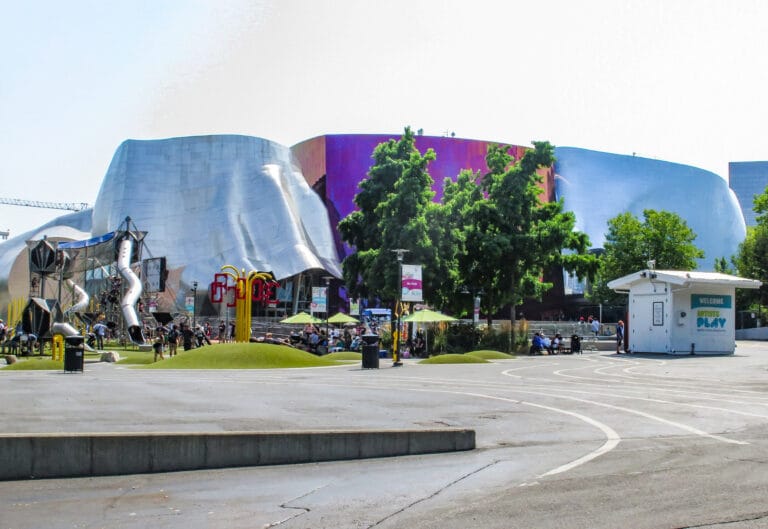
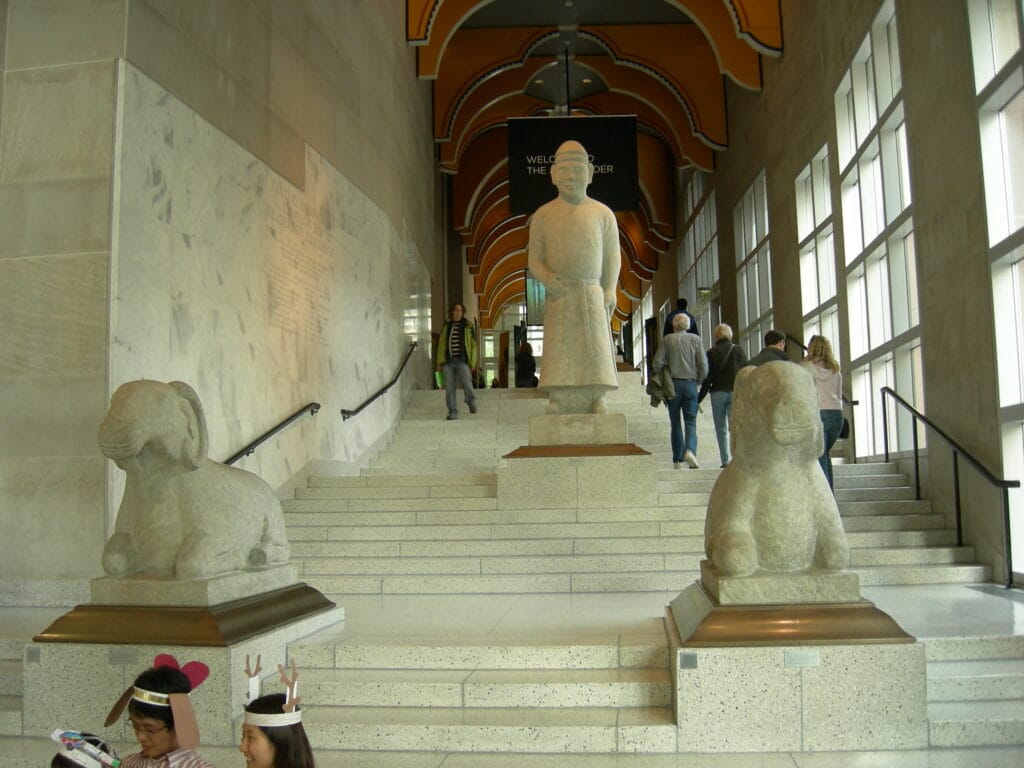
Approaching the Seattle Art Museum in downtown Seattle, visitors are immediately met with a striking urban presence that blends modernist architectural elements with subtle nods to the city’s maritime and mountainous surroundings. The museum’s exterior is composed of stone and glass, offering a sense of solidity and transparency that invites exploration. The entrance is situated along a lively city street, contributing to a seamless integration between the museum and the bustling urban environment. Upon entering, patrons encounter a spacious and light-filled lobby, which serves as a gateway to the museum’s multifaceted galleries and amenities. Visual cues, from well-placed signage to a welcoming visitor services desk, guide attendees smoothly into the institution. Early impressions suggest a balance between calm contemplation and vibrant public energy, setting an anticipatory tone for the visit ahead.
Highlights and Key Exhibitions
The Seattle Art Museum’s collection spans a broad spectrum of artistic practices and historical periods, positioning it as a comprehensive resource for art enthusiasts. Among its most prominent holdings is an impressive assemblage of Native American and Indigenous art from the Pacific Northwest. These works, often intricate and deeply symbolic, provide crucial insights into the region’s original cultures and their ongoing legacies. The museum’s commitment to Indigenous art extends beyond mere display, frequently engaging viewers with interpretive materials that enhance understanding and respect.
Asian art constitutes a vital pillar of SAM’s collection, reflecting both the museum’s geographic and cultural positioning. Visitors can expect to encounter a rich variety of artworks from East and South Asia, including ceramics, sculptures, textiles, and paintings, many of which illustrate centuries of artistic evolution and cultural exchange.
In addition to its strong historical collections, SAM robustly supports contemporary art, showcasing installations, paintings, and multimedia works by emerging and established artists. The juxtaposition of historic and contemporary pieces encourages dialogue across time periods and artistic methodologies, reinforcing the museum’s role as a forum for ongoing creativity.
Special attention should also be given to the museum’s notable public art initiatives, with engaging works displayed both inside and outside the building, enhancing the urban landscape and reflecting community identities.
Visitor Experience
Seattle Art Museum’s visitor experience is thoughtfully crafted to accommodate a diverse audience with varying interests and needs. The museum’s layout is intuitive, with galleries arranged to facilitate a thematic and chronological flow but also allowing for individualized exploration. Clear labeling and descriptive panels provide valuable context without overwhelming, appealing to both casual visitors and those seeking deeper scholarly engagement.
Educational resources are plentiful, including audio guides, docent tours, and interactive digital features that cater to different learning styles. These elements enrich the visit, making art accessible and stimulating curiosity. Family-friendly amenities and programming further highlight SAM’s inclusive approach, encouraging participation across age groups.
The atmosphere within the museum balances contemplative quietude with lively social interaction, inviting visitors to both reflect on the artworks and engage in conversation. Seating areas strategically placed throughout the galleries offer rest without disrupting the viewing experience. The museum café and gift shop contribute to a holistic visit, presenting opportunities to relax and acquire art-related merchandise or literature.
Tickets, Access, and Planning
Planning a visit to the Seattle Art Museum involves considering several practicalities that enhance overall accessibility and convenience. Ticket pricing is generally moderate, with options for individual admission, discounts for seniors, students, and groups, as well as periodic free admission days that broaden public access. Membership packages are available for frequent visitors, providing added benefits such as event invitations and exclusive previews.
The museum is centrally located, easily reachable by public transit, including buses and light rail, as well as by car with nearby parking facilities. Attention is given to ensuring physical accessibility throughout the building, with ramps, elevators, and adapted restroom facilities to accommodate patrons with mobility challenges.
Opening hours typically cover most of the week with extended evening hours on certain days to accommodate diverse schedules. Advance booking can be advantageous, especially during peak tourist seasons or special exhibition periods, minimizing wait times and facilitating smoother entry.
Final Verdict
The Seattle Art Museum occupies a distinguished place in the cultural landscape of Seattle and the broader Pacific Northwest. Its strength lies in an extensive and varied collection that celebrates local Indigenous identities while embracing global artistic traditions. Carefully curated exhibitions and thoughtful integration of past and present make this museum a compelling destination for a wide range of visitors. The institution’s commitment to accessibility, education, and community engagement underscores its role as more than just a repository of art—it is a living, breathing forum for cultural exchange.
While the museum’s architecture and urban setting offer a pleasing initial impression, some may find the downtown location bustling and occasionally challenging for quiet reflection during peak hours. Additionally, the comprehensiveness of its collections may require multiple visits for full appreciation, but this also indicates a depth that rewards returning patrons.
In summary, the Seattle Art Museum stands as a vital cultural resource with much to offer both casual observers and dedicated art lovers. Its dedication to inclusivity, diversity of programming, and meticulous presentation sets a benchmark for art institutions seeking to engage with contemporary audiences without sacrificing scholarly integrity. For those planning a journey through the artistic and cultural corridors of Seattle, SAM is an indispensable stop.